Water Damage and Ceiling Stains
Water stains appear as discoloration, softness when you press, or bubbling paint. In Altadena's hot and dry summers, drywall dries slowly if moisture is trapped behind walls or above…
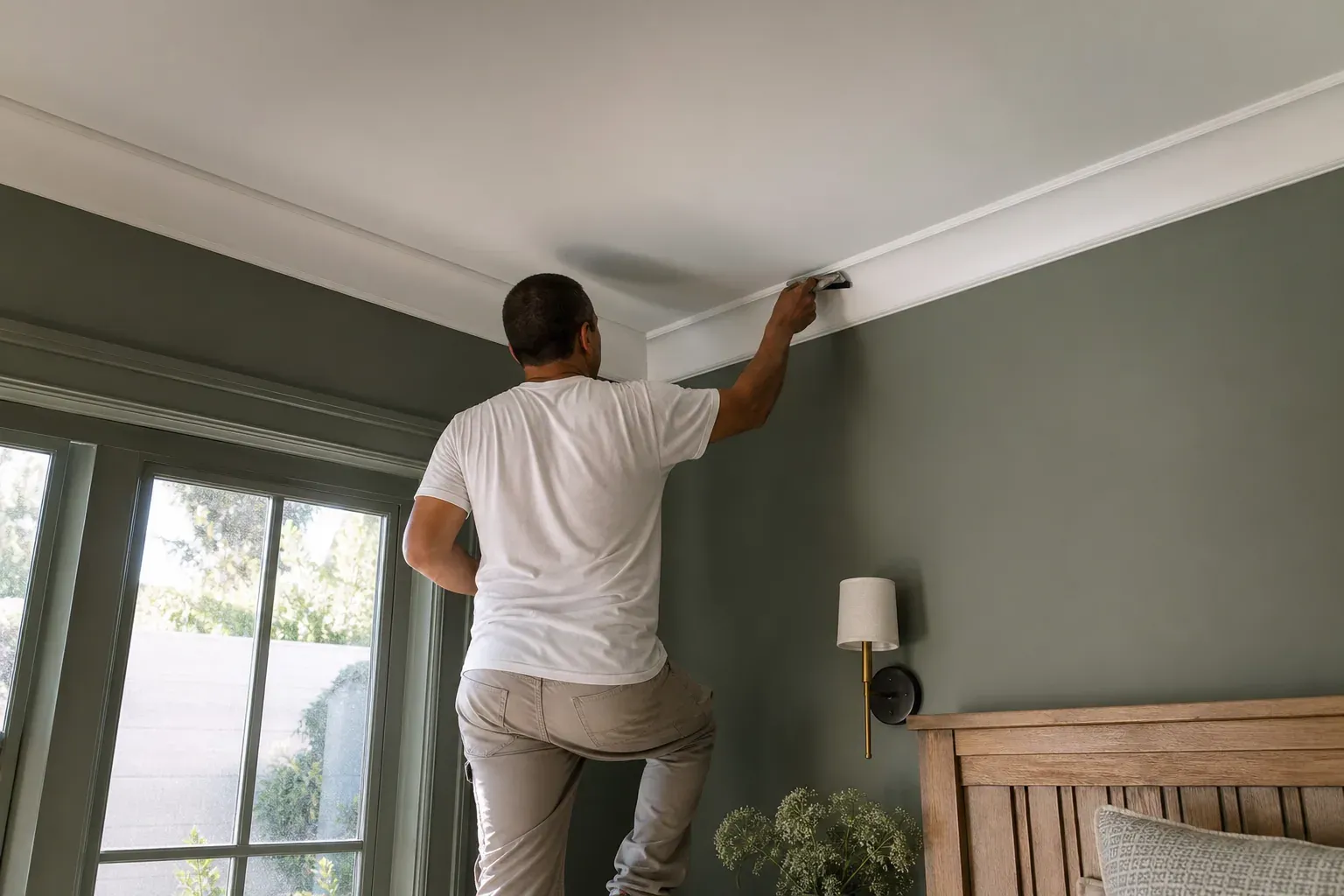
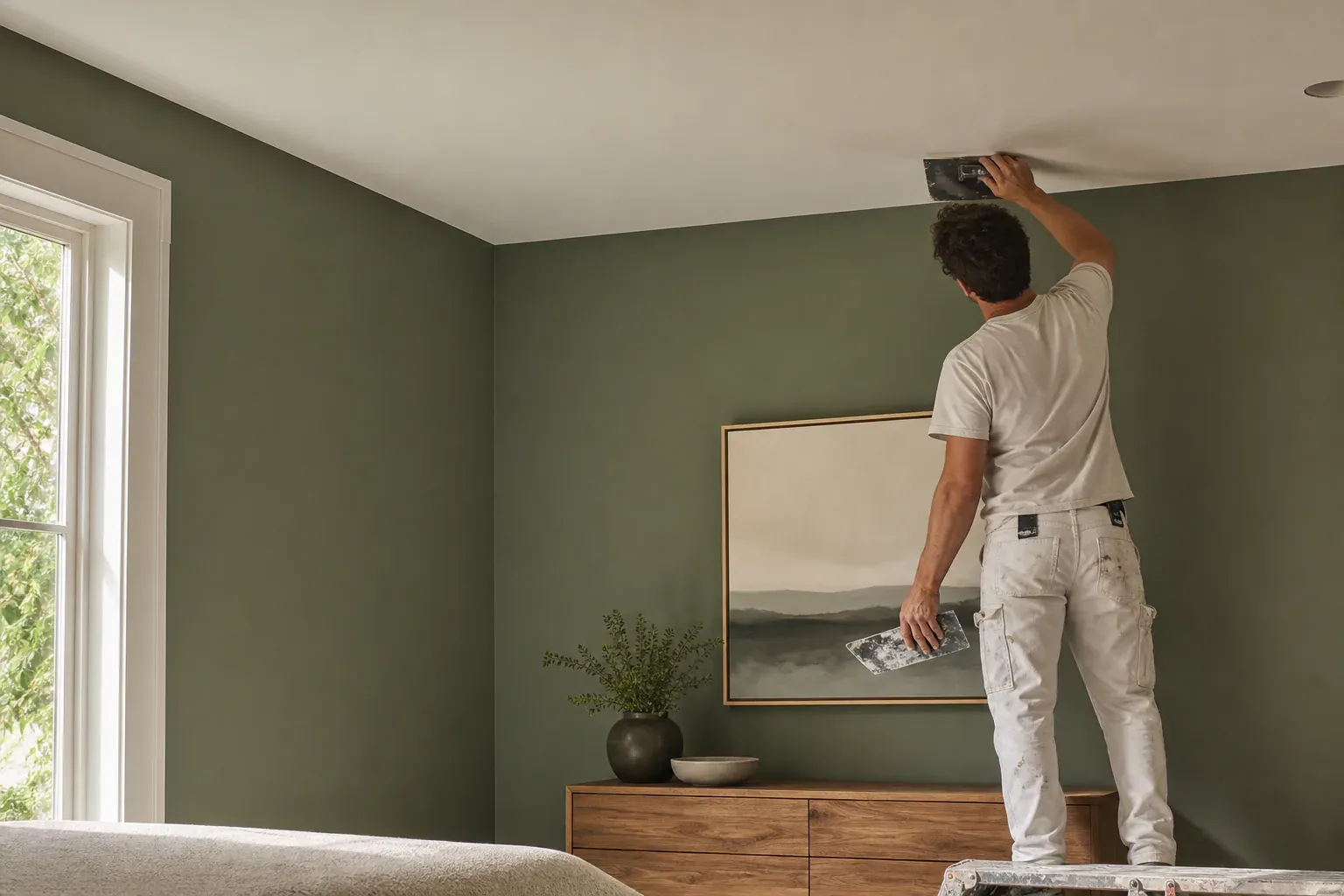
Glendale Quality Drywall installs, tapes and finishes drywall in Altadena, CA for homeowners and builders across the unincorporated area. We handle everything from drywall patching on damage your eye catches today to full drywall replacement in properties built during Altadena's building booms of the 1920s and beyond. Water-stained ceilings from pipe bursts, nail pops spreading across walls, and stress cracks around door frames all point to different root causes—we identify each one, fix it, and explain what to watch for going forward.
Most drywall problems in Altadena homes show up long after the event that caused them. A roof leak in the wet season may not reveal itself until the drywall dries unevenly. A house settling on hillside blocks near Brown Mountain or the Verdugos foothills creates stress cracks that migrate across seams. A toilet overflow in a bathroom or laundry room saturates the board and must be removed before mold takes hold.
Drywall patching ranges from filling nail holes with joint compound to cutting out and replacing entire sections of damaged gypsum panels. Small punctures from doorknobs or furniture get spackled and sanded smooth. Larger holes—anything wider than six inches—require backing boards, new drywall installation, drywall taping of the seams, and finishing to match the wall around it. We assess drywall damage on-site, measure the scope, and explain whether a patch or full replacement makes sense for your budget and timeline.
Water stains appear as discoloration, softness when you press, or bubbling paint. In Altadena's hot and dry summers, drywall dries slowly if moisture is trapped behind walls or above ceilings. The most dangerous sign is soft, crumbly material—that gypsum has lost structural integrity and cannot be patched. The whole section must come out.
Check ceiling joints after heavy rain, around plumbing penetrations, and where roof valleys meet interior walls. Water damage restoration starts with identifying the leak source and stopping it. We perform a drywall damage assessment by opening access points, checking for mold or rot in framing, and deciding whether saturated sections can dry out or must be replaced entirely.
A burst supply line or backed-up toilet can soak drywall in minutes. The faster you stop the water and remove the damaged board, the better your chance of saving framing below. We offer same-day emergency availability for acute water damage—call early, and we often can dispatch a crew the day you discover the damage.
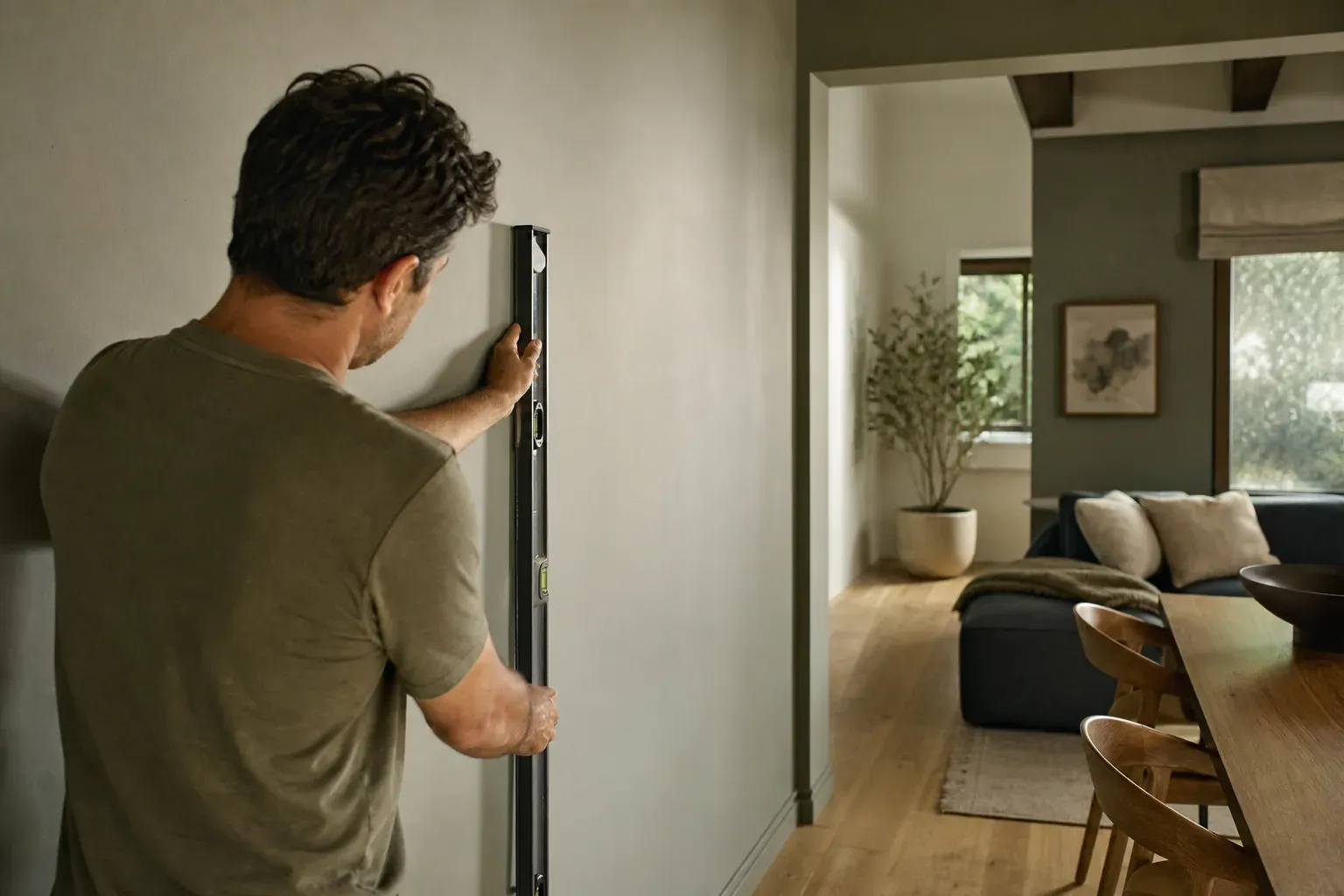
You can spot obvious problems yourself: visible water stains, holes larger than your fist, cracks that open and close seasonally, or soft spots that crumble when pressed. Write down where stains appear, whether they are growing, and what caused them (roof leak, plumbing failure, weather event). Take photos showing the damage in context.
When to call us: if the damage covers more than a few square feet, involves water or mold, affects ceilings or load-bearing walls, or if you cannot identify the root cause. Ceiling damage in particular often signals a hidden leak that will recur. Patching it without stopping the leak wastes money. We determine the professional threshold during a walkthrough and recommend the right scope of work.
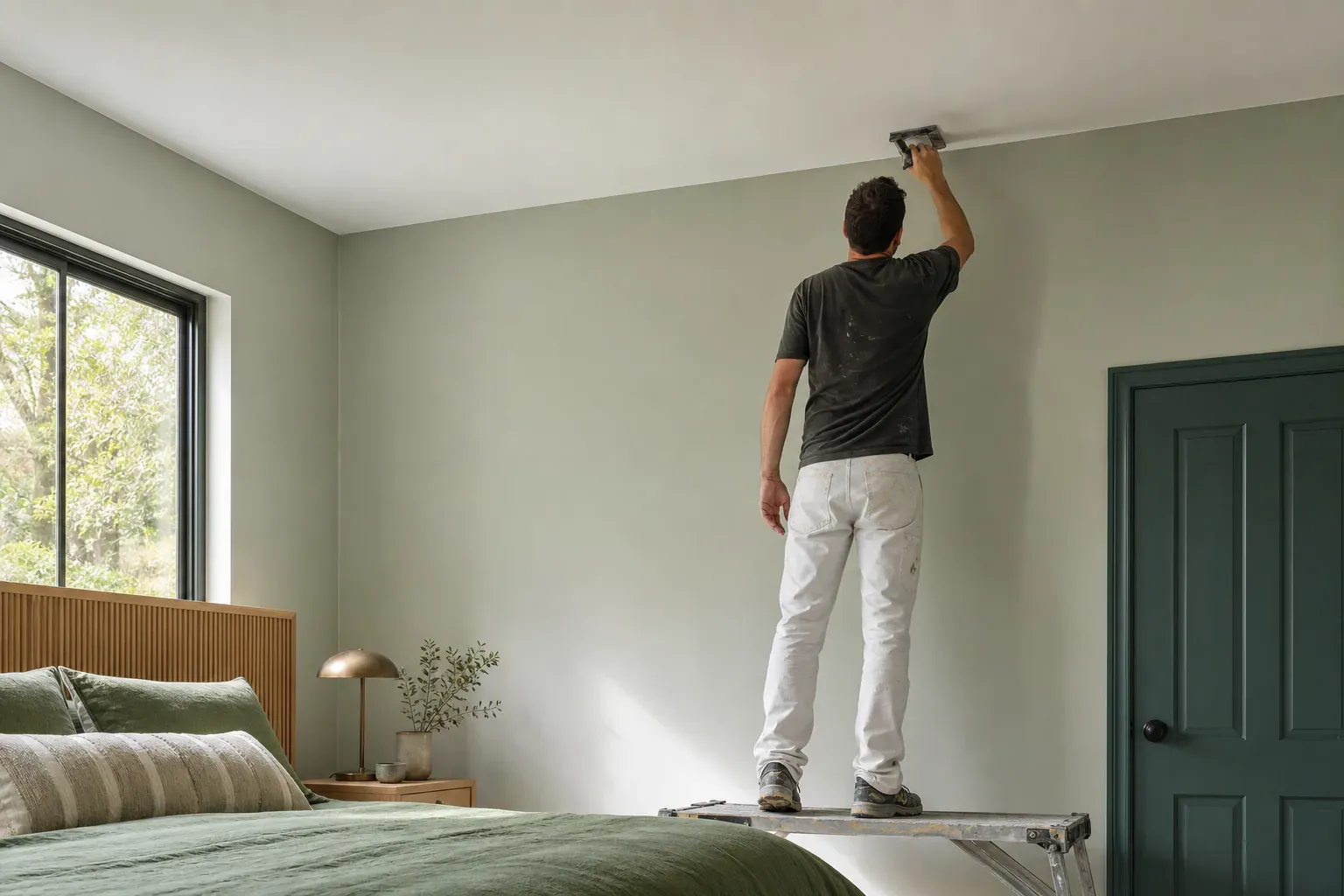
New drywall installation happens in kitchen remodels, master suite expansions, and whole-home renovations. It also replaces old plaster in heritage homes built between 1924 and 1926—many of which still stand in neighborhoods east of Fair Oaks Avenue and along Loma Alta Street. We hang drywall sheets with fasteners placed to code, tape seams with joint compound and corner bead, sand smooth, and prime for paint.
Standard drywall (Type N) works for interior walls where no fire rating is required. Type X fire-resistant drywall has a denser gypsum core and is mandatory in garages, attics, and multi-unit walls in California. Moisture-resistant drywall (greenboard) resists water absorption and is code-required in bathrooms and kitchens. We specify the right gypsum panels for your room and climate.
Altadena's brush-fire risk means fire-resistant drywall is a smart upgrade even where code permits standard board. It costs more upfront but limits flame spread and smoke development if fire approaches.
Drywall installation cost depends on square footage, finish level you want, wall complexity, and whether we have to remove old material first. A simple bedroom rewiring job with new drywall might run lower per square foot than a textured bathroom with moisture-resistant panels and custom tile prep. Hanging and taping a 200-square-foot room takes two to three days; finishing depends on how many coats you want. We break down costs during the initial walkthrough so there are no surprises.
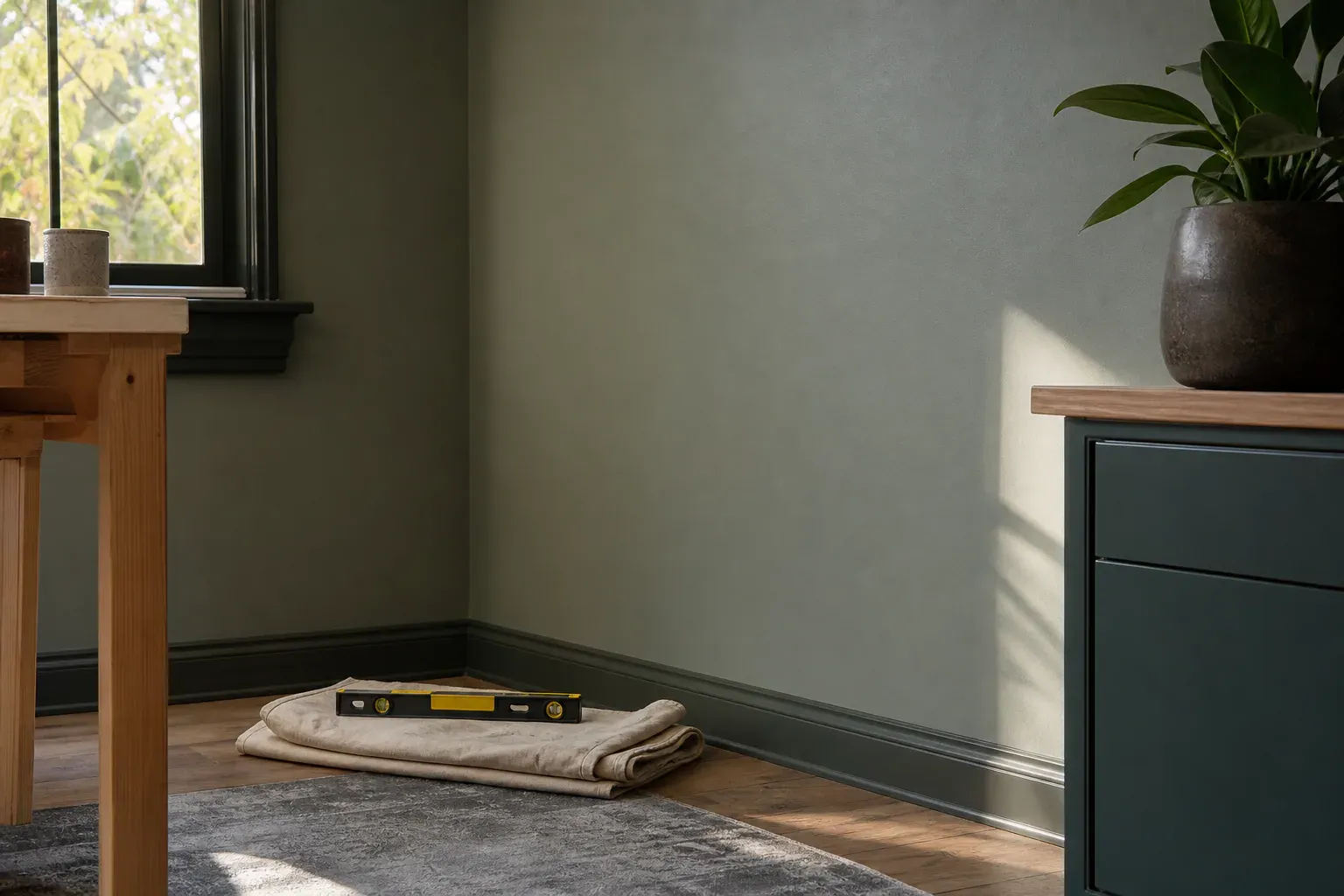
Homes in Altadena often have popcorn ceilings or orange-peel wall texture applied in the 1960s and 1970s. Newer builds have smooth, finished surfaces—paint-ready walls with seamless joints and no visible imperfections. When you patch a wall or ceiling, matching the texture on existing drywall is critical so the repair vanishes.
We apply texture using spray equipment and taping knives to match orange-peel, popcorn, knockdown, or smooth finishes. If your home has a mix—some walls smooth, some textured—we replicate the original finish in patches so it blends. A smooth finish requires skim-coating entire walls with drywall compound, sanding with a sanding sponge between coats, and priming before paint. It costs more but delivers a clean look and hides imperfections better than lower finish levels.
Level 1 finish is tape and compound applied to cover joints only—used in garages or storage. Level 2 adds a second coat and light sanding. Level 3 is three coats, better for basements or utility spaces. Level 4 has four coats and light sanding; most commercial spaces use this. Smooth finish requires four to five coats with full sanding between each, plus primer—the finish standard in high-end residential homes and new construction across Altadena. We recommend smooth or level 4 for visible living spaces, level 2 or 3 for utility areas.
Popcorn ceilings absorb dust and are difficult to paint or patch. Many owners want them gone. We safely remove the old spray-applied texture, inspect the drywall substrate for damage, repair any cracks or water stains, and then apply a new ceiling finish—smooth, orange-peel, or knockdown. Popcorn ceiling removal exposes the ceiling surface beneath, which may be uneven or stained. We perform ceiling restoration by patching low spots, taping joints if they are visible, and applying joint compound to achieve a uniform base for paint or new texture.
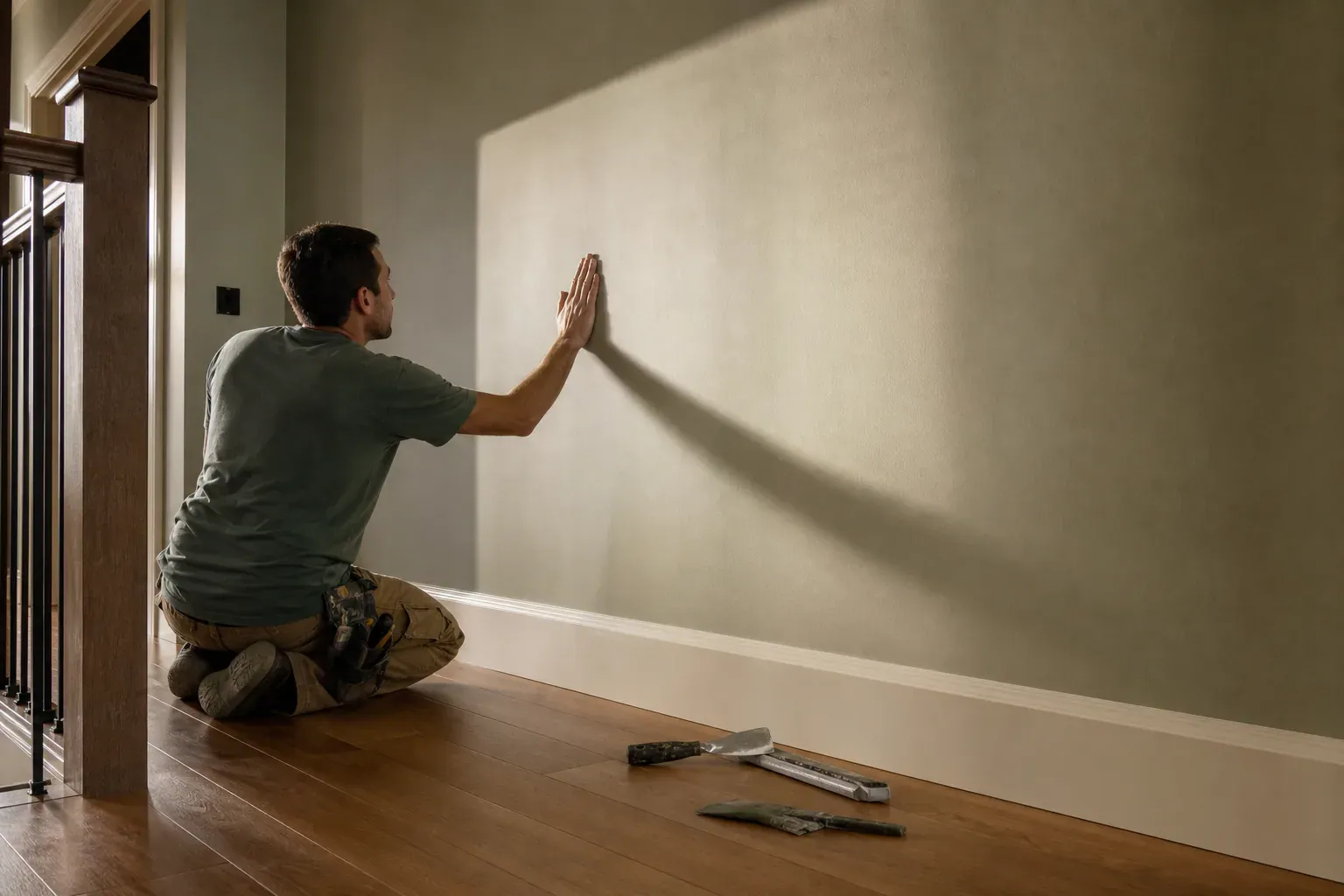
Homes built in earlier decades contain plaster walls and ceilings—a lime-and-sand mixture applied over wood lath. Small cracks in plaster can be filled with patching compound. Large sections or moisture damage require removal and replacement with drywall, which is easier to repair and more durable long-term. We assess whether plaster can be patched cosmetically or should come out entirely.
Commercial drywall repair in Altadena includes office build-outs, small retail spaces, and multi-unit residential buildings. We follow the same code standards as residential work but often work around operating businesses and tenant schedules. We handle drywall replacement in commercial spaces, fire-rated assemblies, and moisture-resistant applications in commercial kitchens and restrooms.
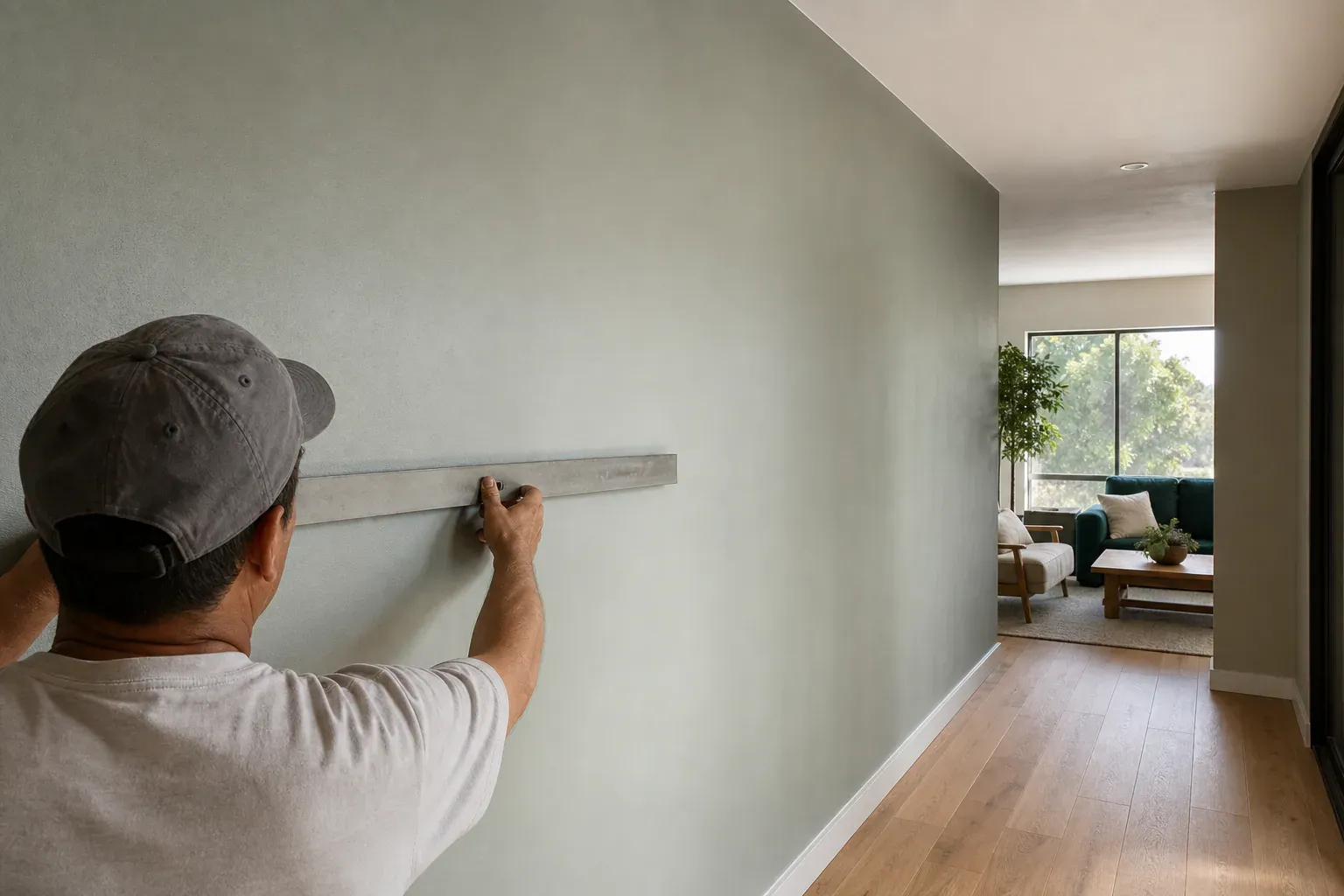
Finishing starts with a clean substrate and correct wall preparation. Joint compound (mud) is applied in thin coats over tape—usually three coats minimum for a smooth finish. Corner bead protects edges where two walls meet. We use a taping knife to feather compound edges so joints disappear under paint.
Sanding between coats removes lumps and creates a surface the next coat bonds to. A sanding sponge works better than sandpaper for most edges because it won't oversand and create dust clouds. After final sanding, primer seals the compound, and paint goes on last.
Drywall fasteners must be placed in solid framing—studs or blocking—spaced 16 inches on center. Screws or nails are driven perpendicular to the board and must be flush or slightly recessed so compound can cover them. Under-driven fasteners split the paper; over-driven fasteners crush the gypsum. We follow code-compliant installation standards so your walls stay flat and finishes last.
Old walls often have uneven framing, existing paint or plaster, or mechanical obstructions. We prepare the substrate by removing loose material, filling large gaps with backing boards, and ensuring studs are straight before hanging new drywall.
When replacing drywall, adding insulation and sound-dampening materials increases comfort and property value. Fiberglass batts between studs reduce outside noise from neighbors. Acoustic drywall dampening material or resilient channels isolate vibration, which lowers sound transmission through walls.
Altadena properties often combine drywall interior walls with exterior stucco finish. Stucco repair—patching, recoating, or full replacement—must coordinate with interior drywall work so water does not migrate into new board. We advise on stucco condition during walkthrough and recommend addressing exterior moisture barriers before interior finishing.
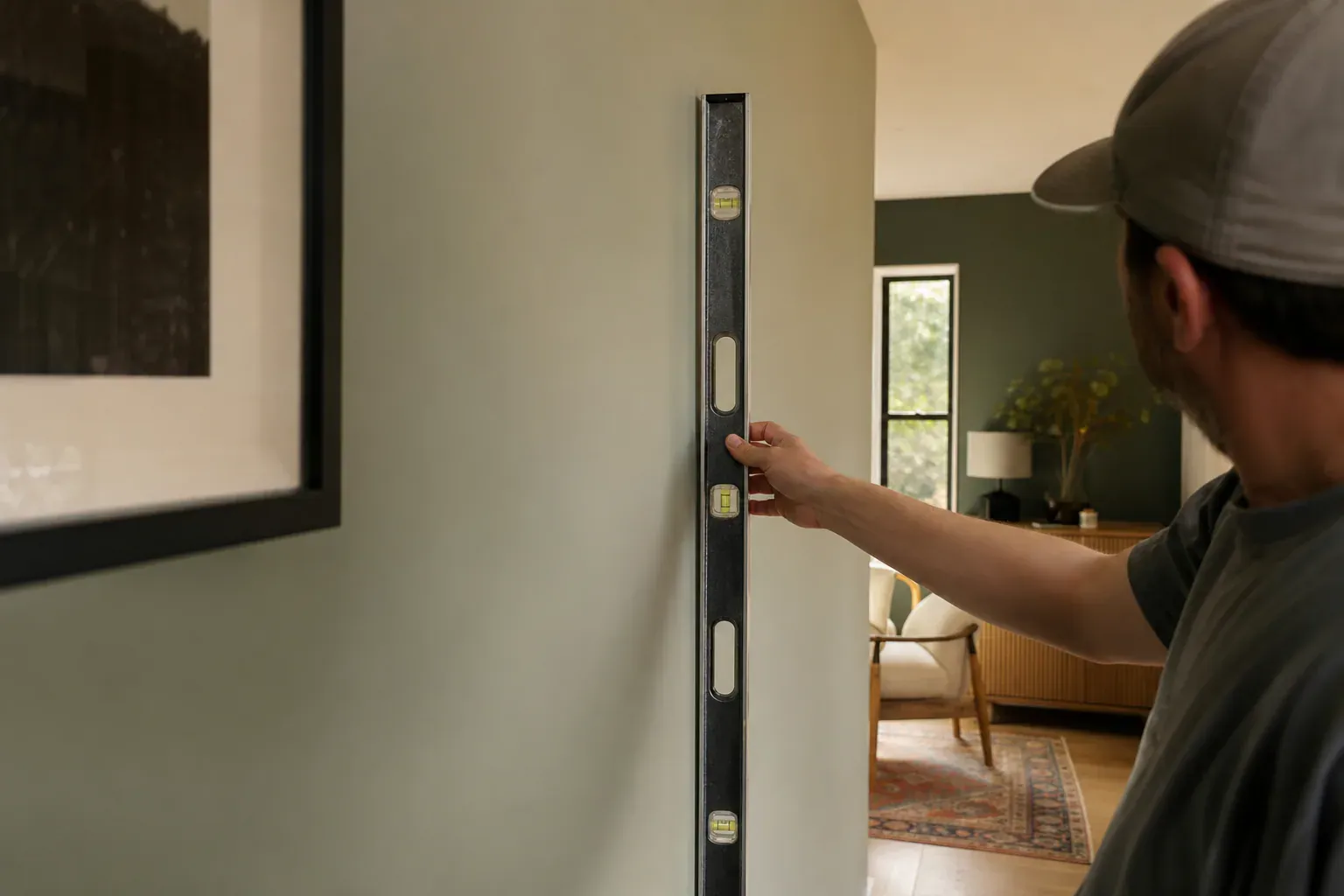
We stand behind the work—seams should not crack or tape bubble within a reasonable time. Warranty coverage does not include damage from water intrusion after the repair (your roof or plumbing responsibility), structural movement beyond normal settling, or finishes damaged by paint incompatibility or improper primer application. California law limits liability for construction defects, and we carry insurance to cover our work.
Your responsibility includes allowing drywall compound to cure fully before priming, maintaining proper humidity levels, and addressing water leaks in plumbing or roofing promptly. A homeowner's failure to fix a roof leak, then asking us to re-patch the same ceiling later, falls outside coverage.
Water stains appear as discoloration, softness when you press, or bubbling paint. In Altadena's hot and dry summers, drywall dries slowly if moisture is trapped behind walls or above…
A burst supply line or backed-up toilet can soak drywall in minutes. The faster you stop the water and remove the damaged board, the better your chance of saving framing below.
Standard drywall (Type N) works for interior walls where no fire rating is required. Type X fire-resistant drywall has a denser gypsum core and is mandatory in garages, attics, and…
Drywall installation cost depends on square footage, finish level you want, wall complexity, and whether we have to remove old material first.
Level 1 finish is tape and compound applied to cover joints only—used in garages or storage. Level 2 adds a second coat and light sanding.
Popcorn ceilings absorb dust and are difficult to paint or patch. Many owners want them gone. We safely remove the old spray-applied texture, inspect the drywall substrate for damage,…
Why homeowners call us
Every drywall job is scoped and priced in writing, so the number you approve is the number you pay. If something behind the wall changes the work, we stop and price it first.
You speak to the people doing the work, not a call centre, and cover certificates go to your building manager or general contractor on request.
Containment, floor protection and same-day debris removal on every interior job — the space stays usable while the work is going on.
Crews work Altadena and the surrounding cities every week, so a walkthrough is usually available within the same week you call.
FAQ
Look for nail pops (fasteners backing out and dimpling the surface), stress cracks radiating from corners of doors and windows, soft or discolored sections, and any sign of water staining or mold. Nail pops often signal framing movement and usually reappear if not anchored properly after repair. Water stains that grow or return indicate ongoing moisture—stop the source before patching.
Repair ranges from under $100 for small patching to several hundred for large sections or water damage restoration. Full drywall installation depends on square footage, finish level, material type (standard, fire-resistant, or moisture-resistant), and whether old material must be removed. Properties with older framing or existing plaster may cost more due to substrate preparation. We provide a detailed cost estimate after site assessment.
Yes. We match orange-peel, popcorn, knockdown, smooth, and custom textures using spray equipment and hand taping to replicate the existing finish. Blend-in depends on accurate identification of the original texture type and spray technique, both of which we handle. New paint should be the same sheen and color for seamless blending.
Call (213) 555-0110 and we will come out and price the work in writing.