New Construction and Additions
ADU construction is increasingly common in Burbank, and we frame-and-finish new walls for accessory dwelling units, bedroom additions, and interior remodels.
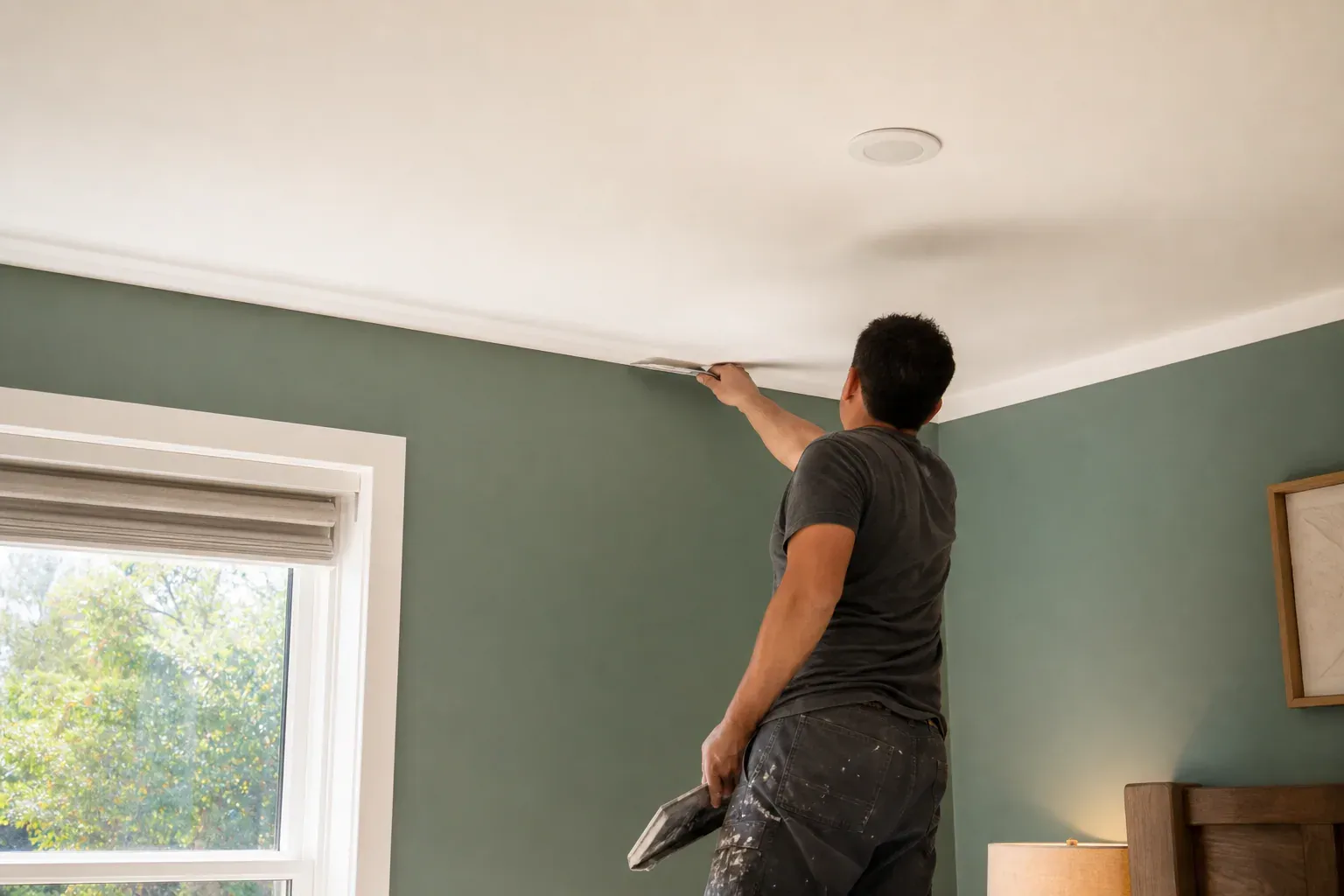
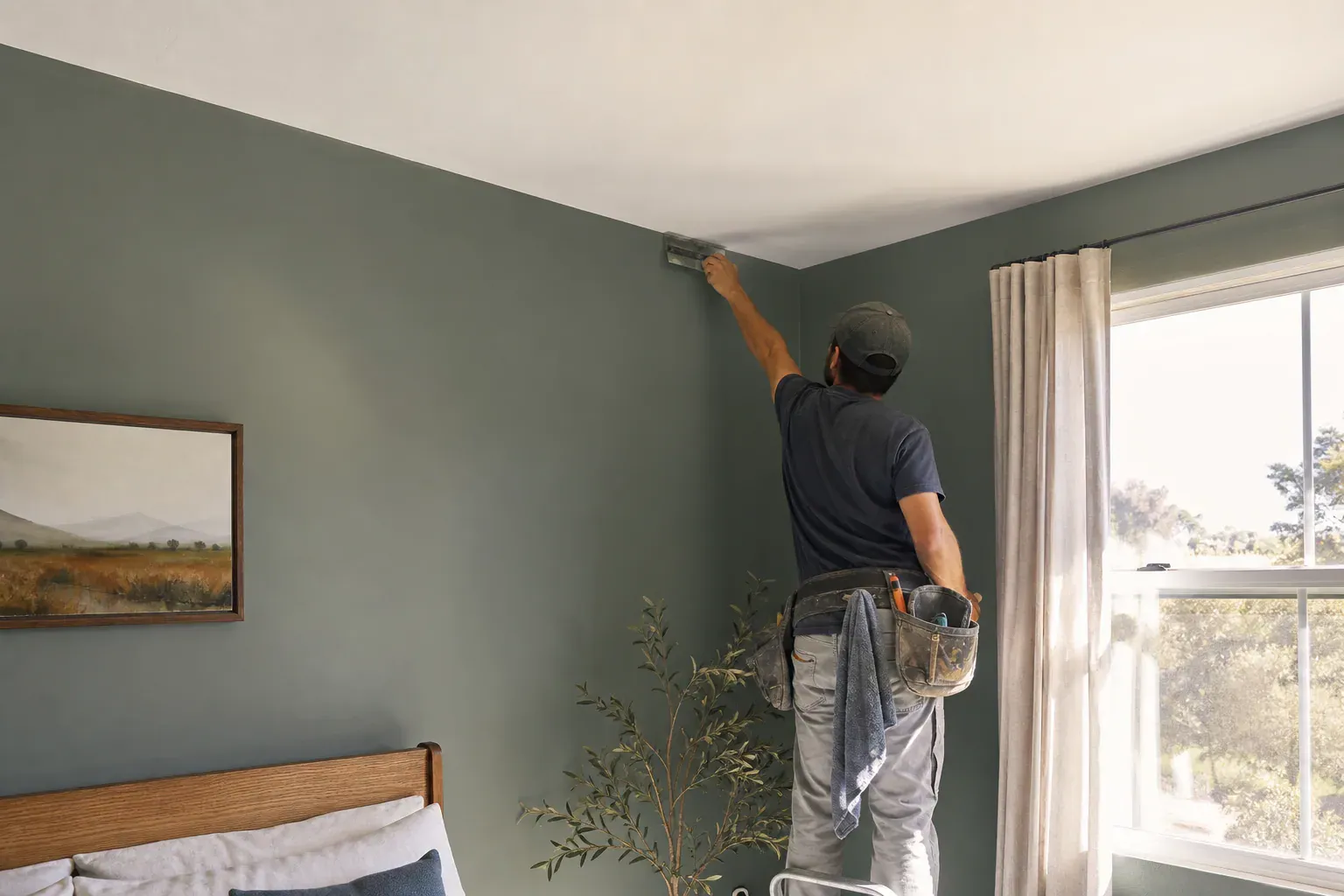
Glendale Quality Drywall installs, repairs, and finishes drywall in Burbank, CA for homeowners and builders who need clean, lasting walls in older homes and new additions alike. Burbank's housing stock—more than 62% built before 1970—often sits on lath-and-plaster foundations, and we know how to transition those legacy walls to modern drywall, match original textures, and repair the settling cracks and moisture issues that come with the territory.
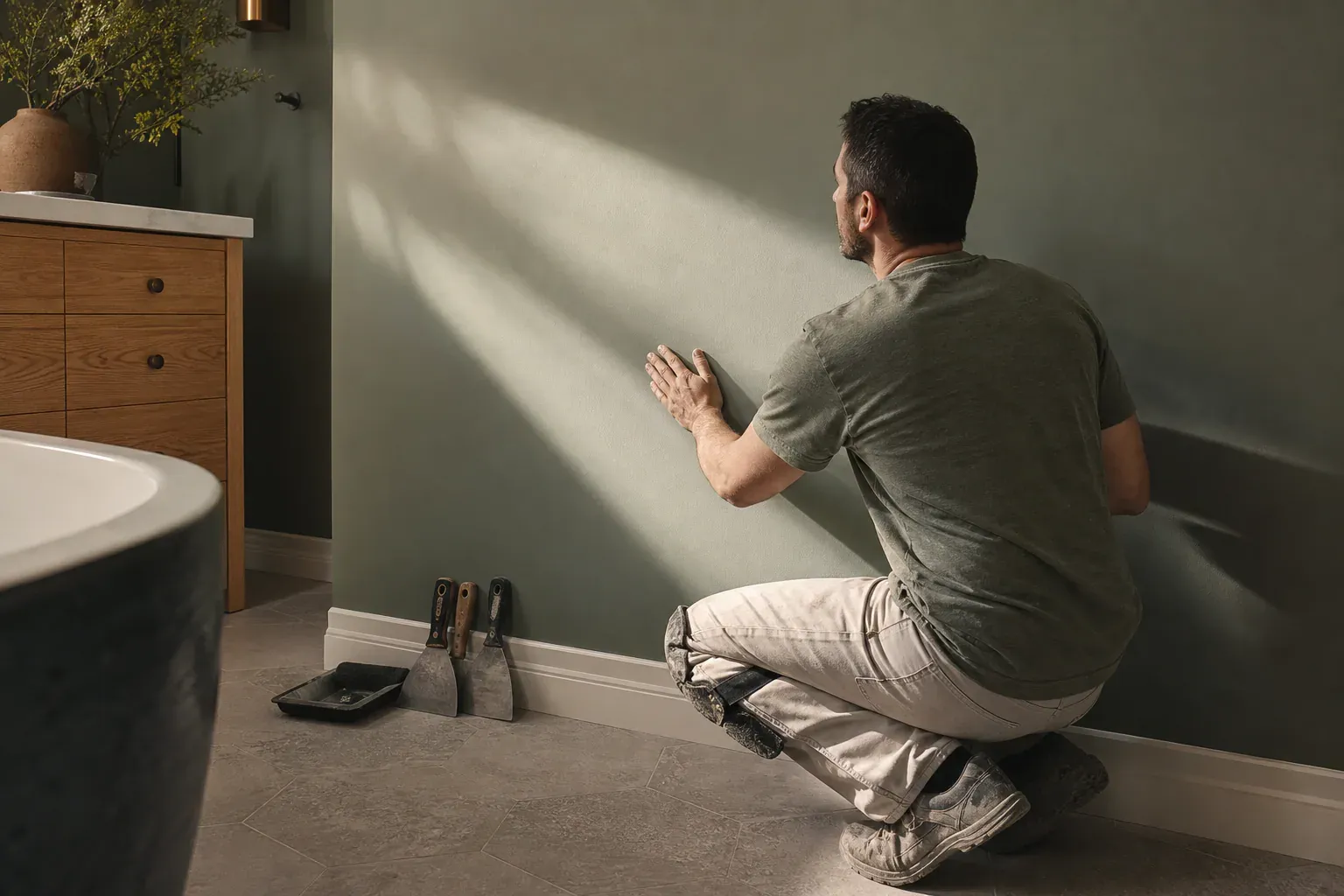
We install new drywall and repair water damage, settling cracks, and structural movement—common problems in older Burbank homes where foundation settling and the seasonal humidity swings of a Mediterranean climate create stress on walls. The challenge is twofold: matching legacy wall surfaces when replacing sections, and choosing the right board type for Burbank's hot summers and occasional moisture intrusion from aging roofs or exterior cracks. We measure twice, order the correct thickness, and hang gypsum board with proper fastener spacing and joint reinforcement to code.
ADU construction is increasingly common in Burbank, and we frame-and-finish new walls for accessory dwelling units, bedroom additions, and interior remodels. We install 5/8" fire-resistant gypsum board in shared wall cavities between units to meet LA County code, and 1/2" standard board in non-fire-rated interior walls where cost matters. We also handle new construction drywall for complete house renovation projects, ensuring all fasteners are set flush and seams are taped before the finish phase begins.
Older homes along West Verdugo Avenue and the Magnolia Park neighborhoods have seen decades of roof settling and minor shifts. We patch drywall water damage by cutting out the damaged section, installing backing board, and sealing the new joint with drywall tape and compound. For settling cracks—long diagonal lines that reappear even after repair—we use mesh tape and flexible joint compound to accommodate continued movement. We also inspect for mold and recommend moisture-resistant drywall installation if wet basement walls or repeat dampness is the pattern.
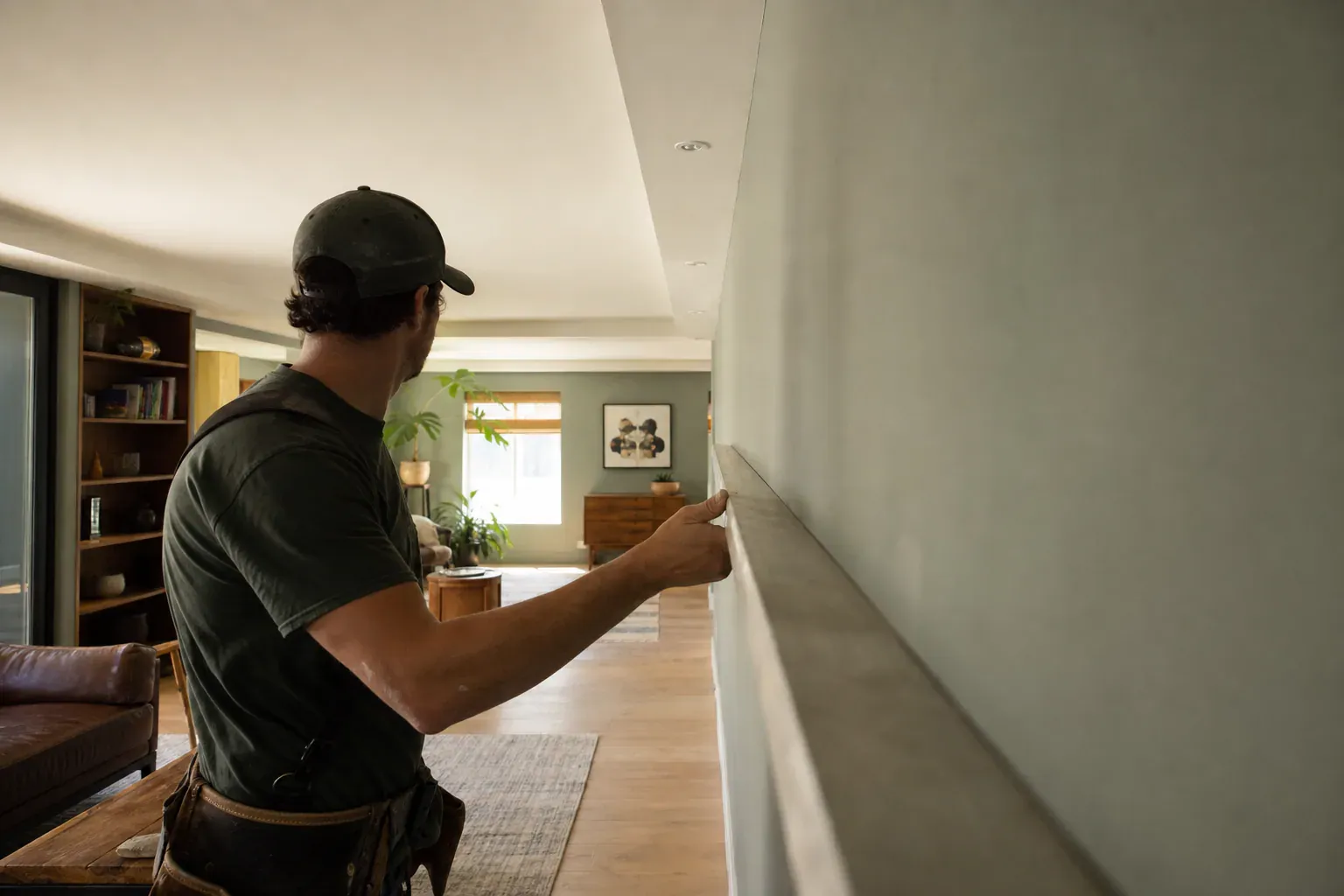
The finish determines whether a wall looks professional under raking light. We execute drywall finishing services from the first coat of joint compound through level 5 finish—the highest standard—depending on your room's lighting and budget.
We apply drywall tape over every seam, embedding it in a thin bed of setting-type compound. Then we layer joint compound—USG Sheetrock or equivalent—in three to five coats, feathering each edge wider than the last to hide the tape and fasteners. Each coat dries before sanding. We use corner bead on all inside and outside corners for crisp, straight lines. Drywall seam concealment requires patience; rushing this step is the most common reason DIY jobs fail.
Once the compound hardens, we sand with 120-grit and then 150-grit paper, controlling dust with HEPA filtration. Drywall sanding and smoothing reveals how well the mudding was done; we catch missed spots and feather edges where needed. We then apply texture—smooth skim coat, orange peel, knockdown, or popcorn—matching your existing ceiling or wall finish if you're patching a visible area. Texture hides minor imperfections and reduces acoustical echo in larger rooms.
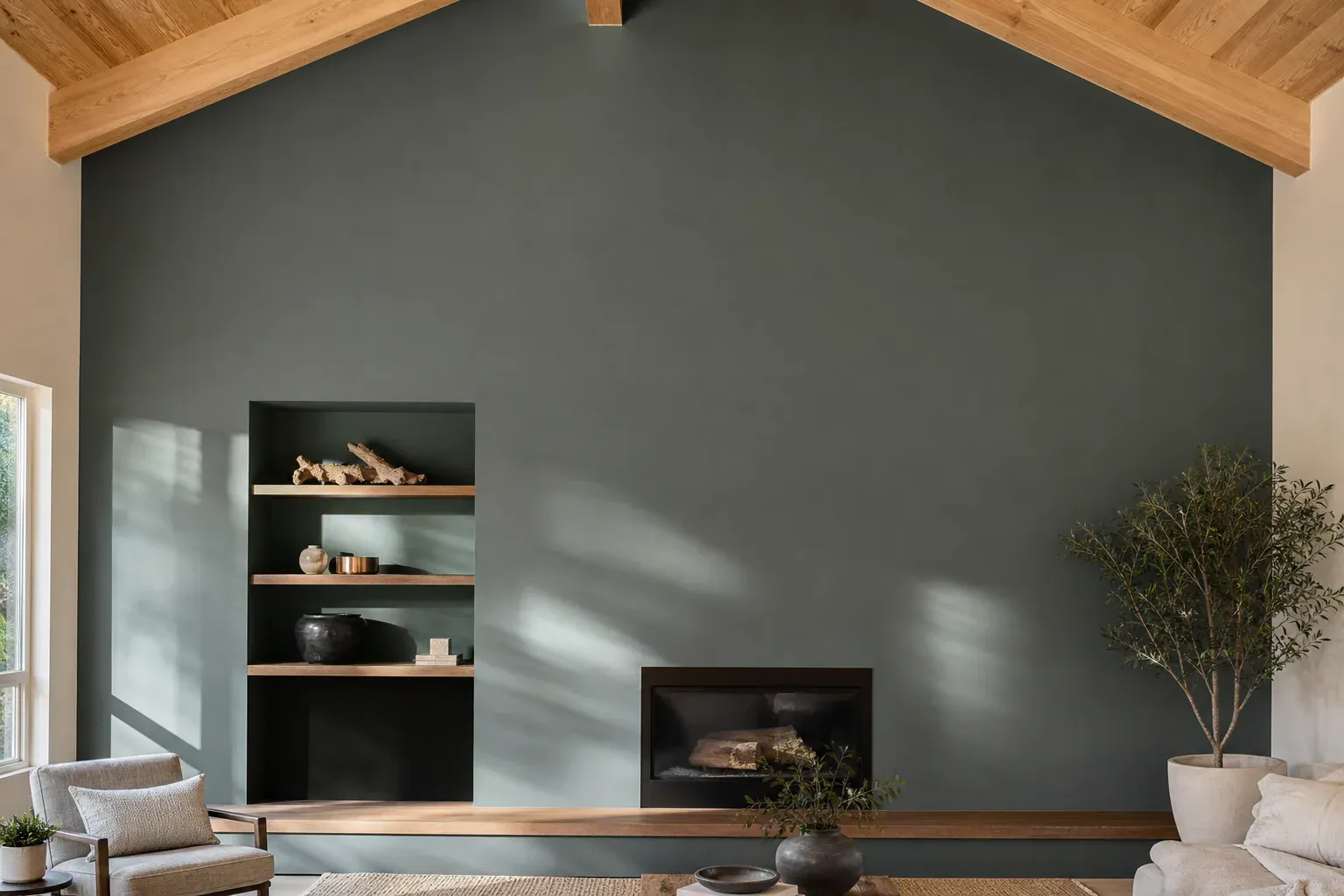
Burbank summers reach into the low 110s, and the hot-summer Mediterranean climate means roof leaks, attic condensation, and occasional burst pipes. Burbank climate and moisture considerations drive material selection to prevent problems before they start.
Fire-resistant drywall options are required by LA County code in walls between attached units, stairwells, and garage-adjacent bedrooms. Green board—moisture-resistant drywall—is standard in kitchens, bathrooms, and laundry areas. Both cost more than standard gypsum, but they meet code and prevent mold. For older homes with persistent dampness, we specify moisture-resistant drywall installation and address the source: roof repair, gutter cleaning, or exterior caulking—not just the symptom on the wall.
Commercial drywall solutions for office spaces, storage units, or multi-unit buildings often call for acoustic board on ceilings. Acoustic and soundproof drywall systems—fiberglass insulation between studs paired with resilient channels and an extra layer of gypsum board—cut noise transmission by 10 to 15 decibels and meet California Title 24 energy and acoustics standards. Residential clients sometimes use this for home theaters or bedrooms adjacent to noisy streets like Burbank Boulevard or Alameda Avenue.
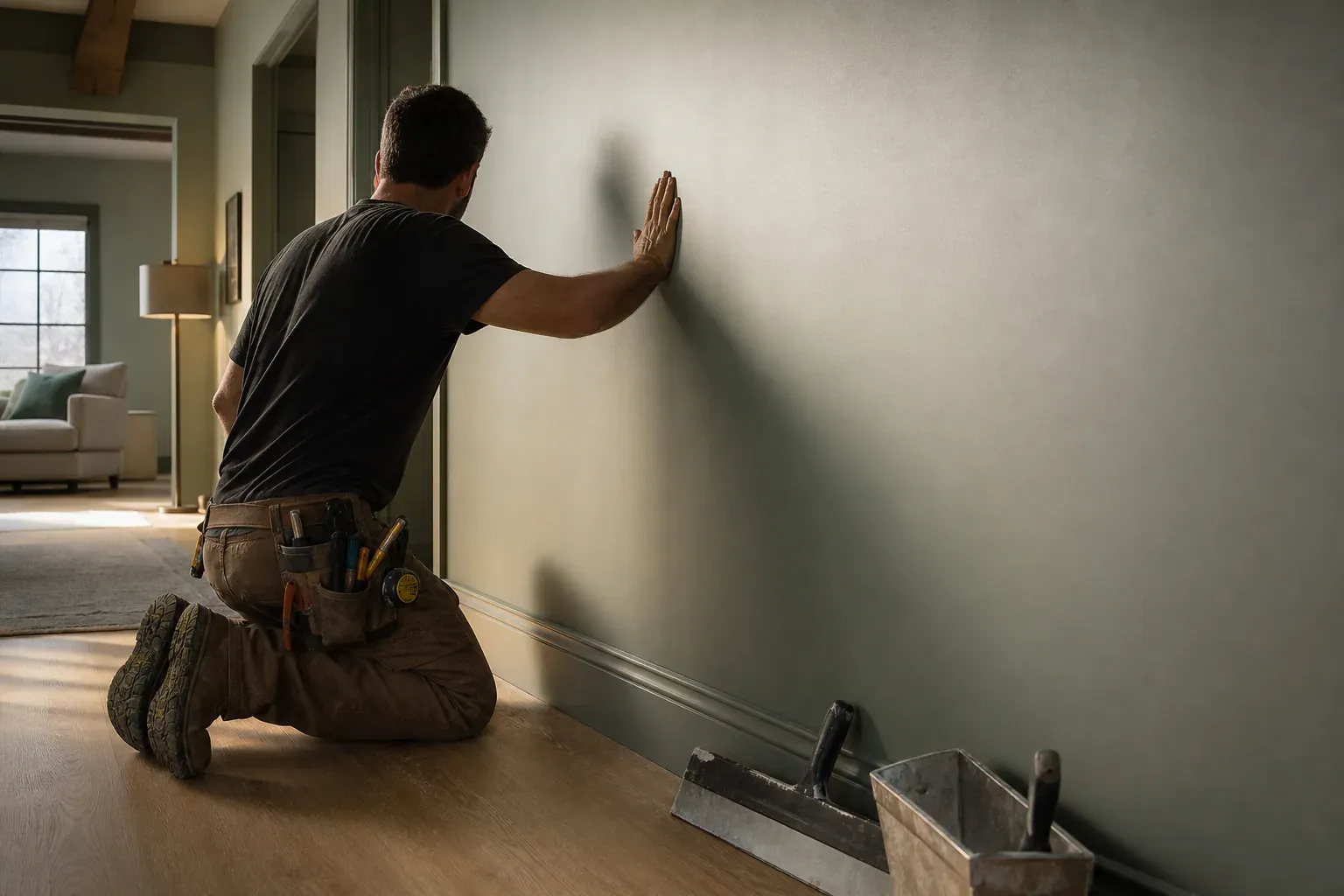
Thickness affects durability, fire rating, and sound control. Standard walls use 1/2" drywall; ceilings often 5/8" because the thicker board resists sagging. Walls in fire-rated applications require 5/8" gypsum board, which has a longer fire-resistance rating than 1/2". Drywall thickness selection guide depends on your application: between studs spaced 16 inches on center, 1/2" board is adequate for non-fire-rated residential work; for moisture-prone areas or shared walls, thicker or specialty board pays off in longevity.
Drywall maintenance and inspection should happen annually in older Burbank homes. Check for soft spots, water stains, or visible cracks that grow wider each season. Tap walls with your knuckle; hollow spots or soft areas indicate water damage or fastener corrosion. Paint cracks in alignment with seams; they signal mudding failure or structural movement. Early detection prevents bigger repairs.
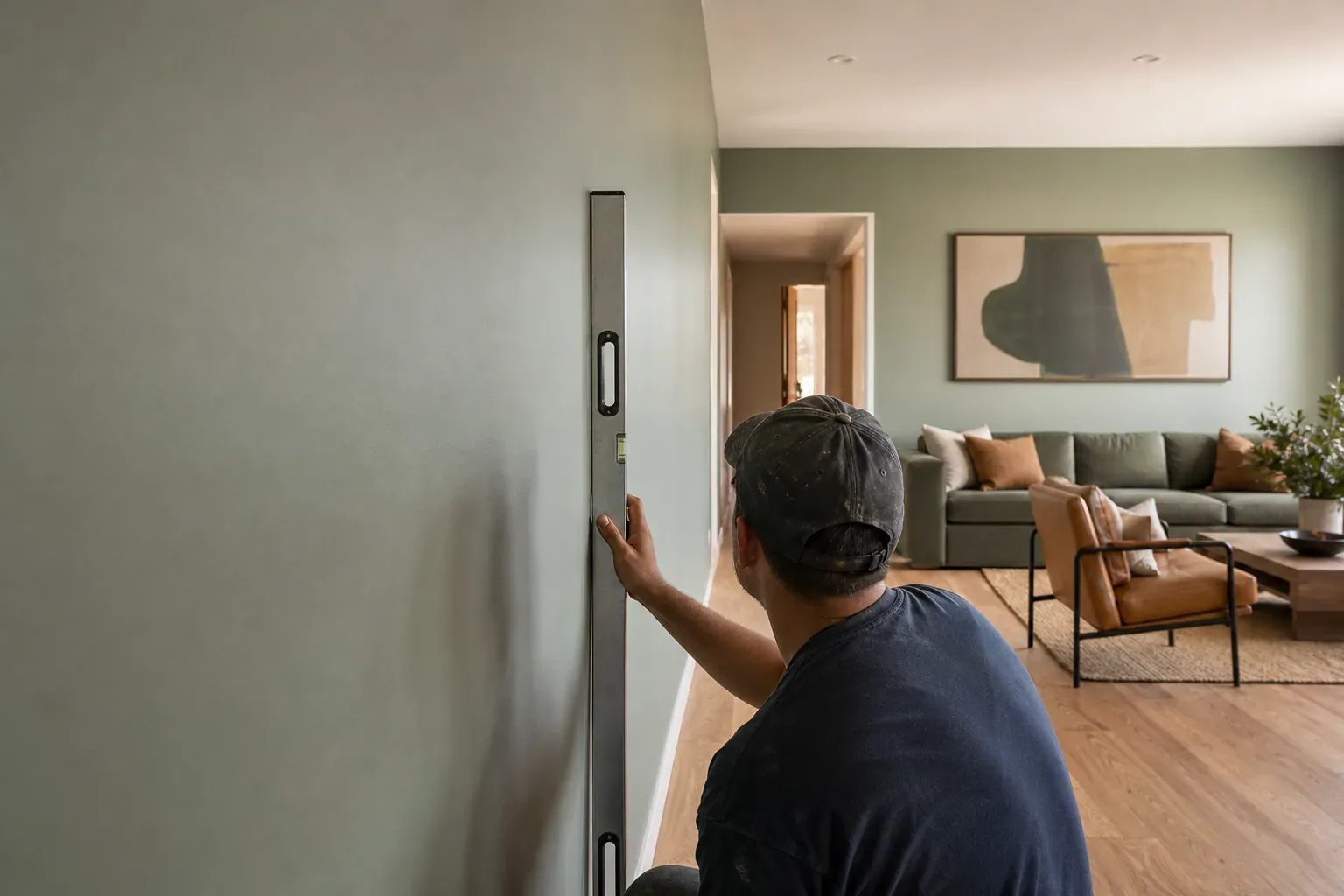
Interior painting with drywall prep requires proper sanding, primer, and surface prep. We sand all finish coats before primer to ensure paint adhesion. We fill any remaining imperfections with spackling compound, sand again, then prime with a quality bonding primer. Exterior drywall finishing is less common but appears in soffits, fascia wrapping, and protected eaves. Exterior drywall must be primed and sealed against moisture; we use marine-grade compounds and exterior-rated primers.
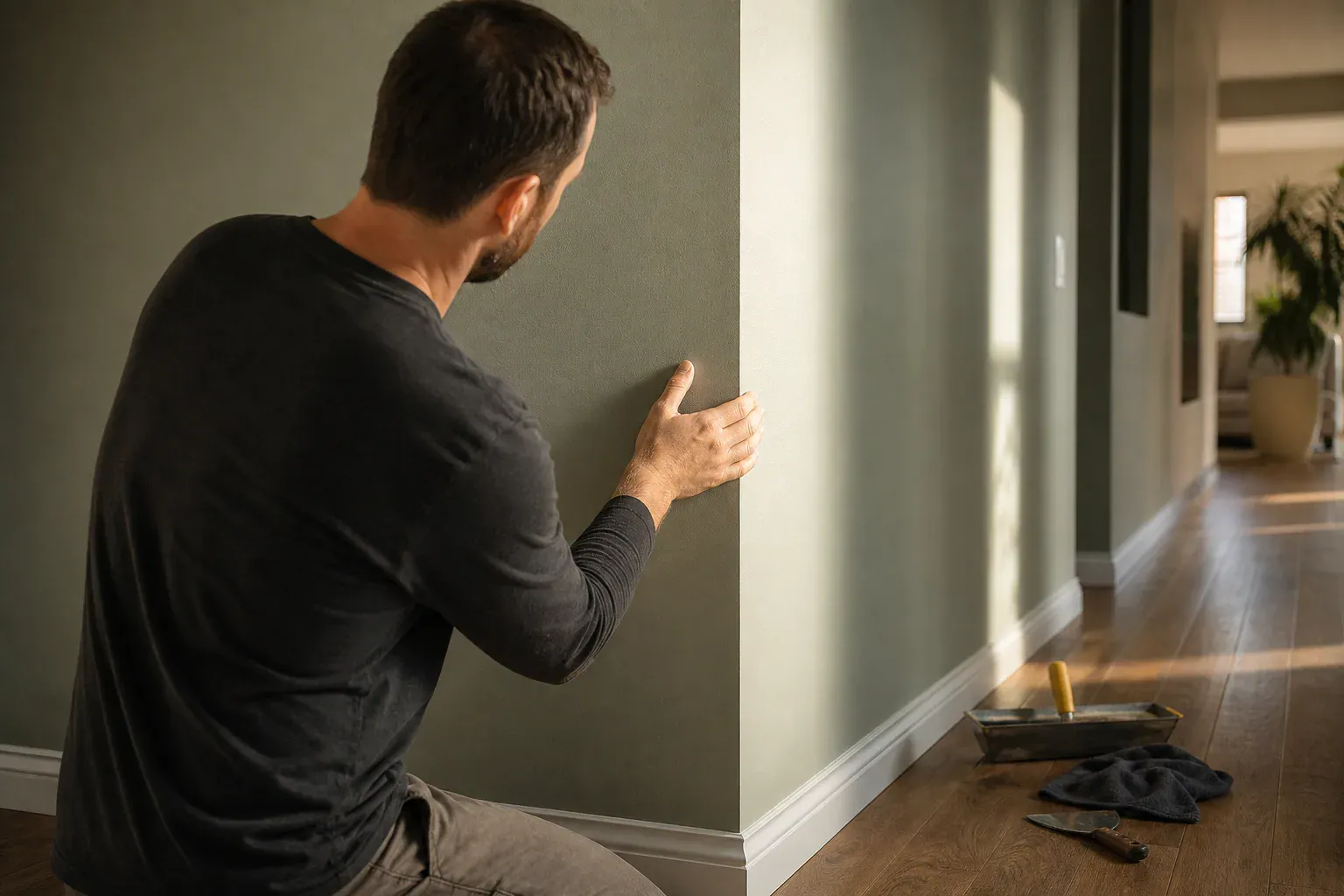
When opening a wall for a window or door, we frame the rough opening to code and hang drywall around the perimeter. After the window or door unit is set and flashed, we finish the drywall around the jamb and sill. Tape and mud the new joints, sand smooth, and paint or texture to match. This coordination ensures a weather-tight seal and invisible seams around the frame.
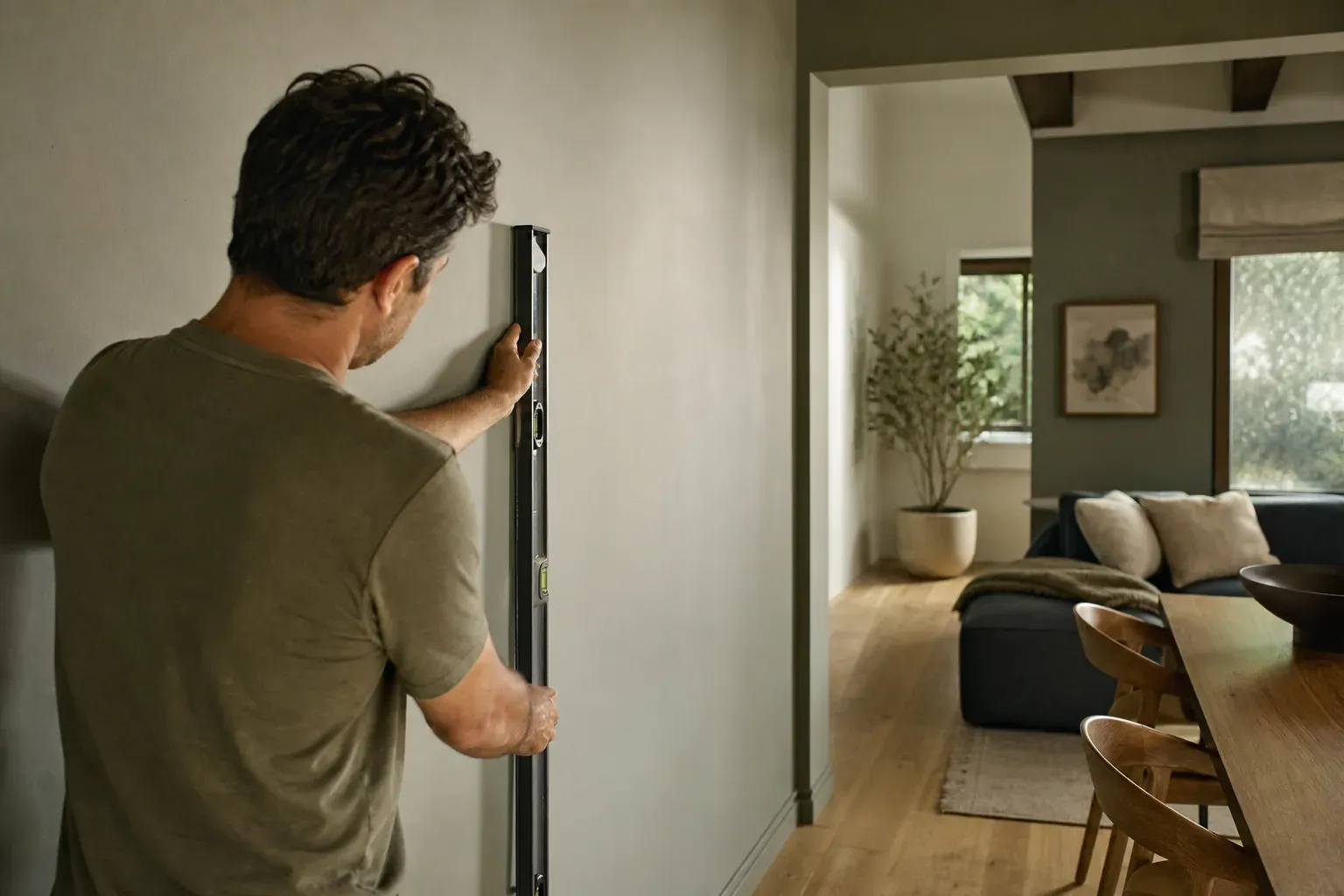
A typical job unfolds in phases: hanging (two to four days for an average room), mudding and taping (five to seven business days with drying time between coats), sanding (one to two days), and texture or paint prep (one day). Project timeline and workflow expectations matter because rushing drying time causes mudding failures. We work with the same crew from start to finish so consistency is built in. You should expect dust, even with mitigation, and noise during hanging and sanding. We protect your flooring and furnishings with plastic and drop cloths throughout.
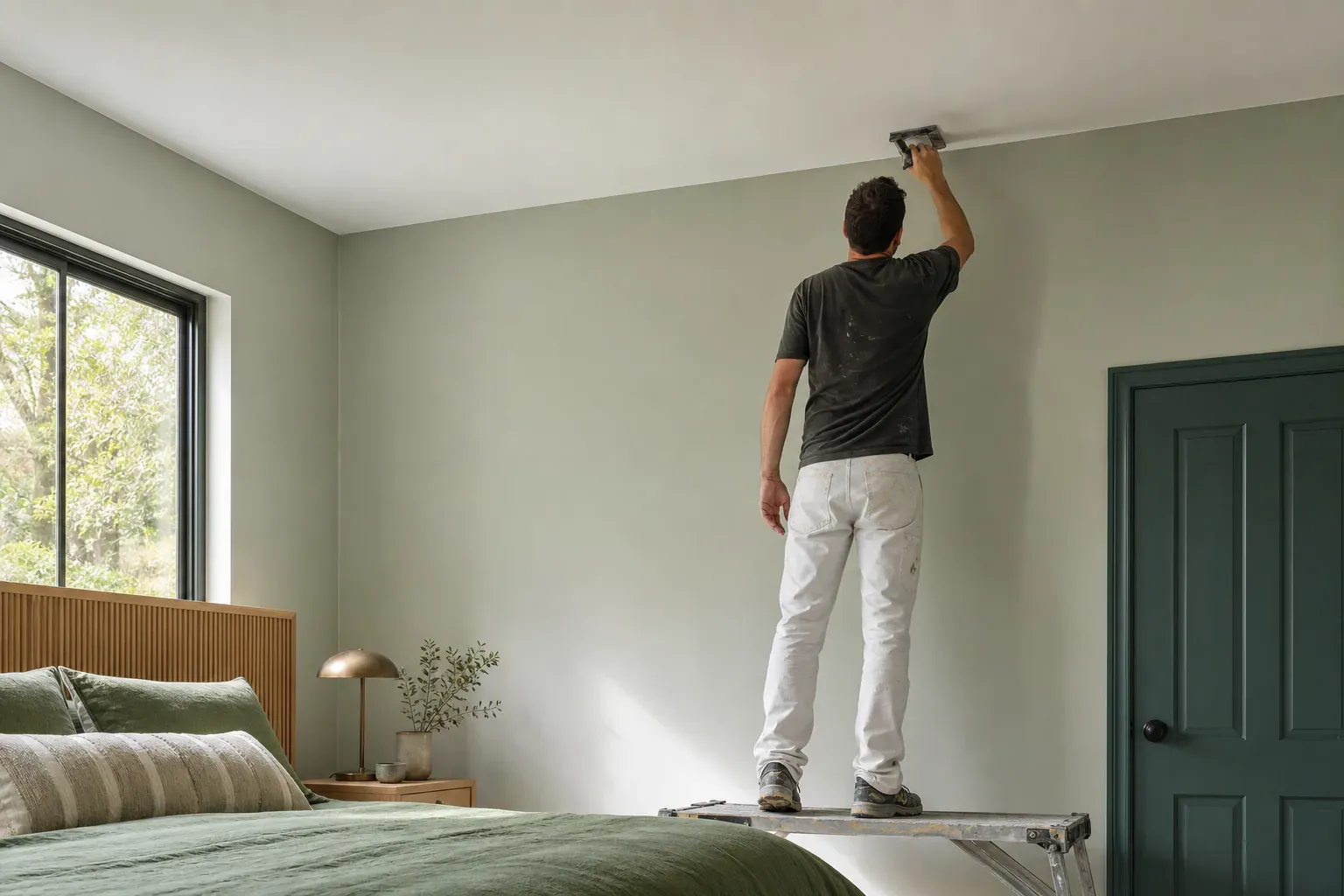
Material and labor costs vary by project complexity. Gypsum board in Burbank runs $10–$15 per sheet depending on type and thickness; specialty boards (fire-resistant, moisture-resistant) add 20–30% to material cost. Labor rates in the area reflect local skilled trades market conditions. Hanging labor typically runs $0.80–$1.50 per square foot; finishing labor (mudding, taping, sanding) runs $1.50–$3.00 per square foot depending on finish level. A 12×12 room with walls and ceiling averaging Level 3 or 4 finish usually totals $2,500–$4,500 in combined labor and materials. Board type, room size, finish level, and accessibility drive cost. Rooms with difficult geometry, basements with poor access, ceilings above 10 feet, or badly damaged walls requiring substrate repair increase labor. We provide a detailed estimate once we measure and assess existing conditions.
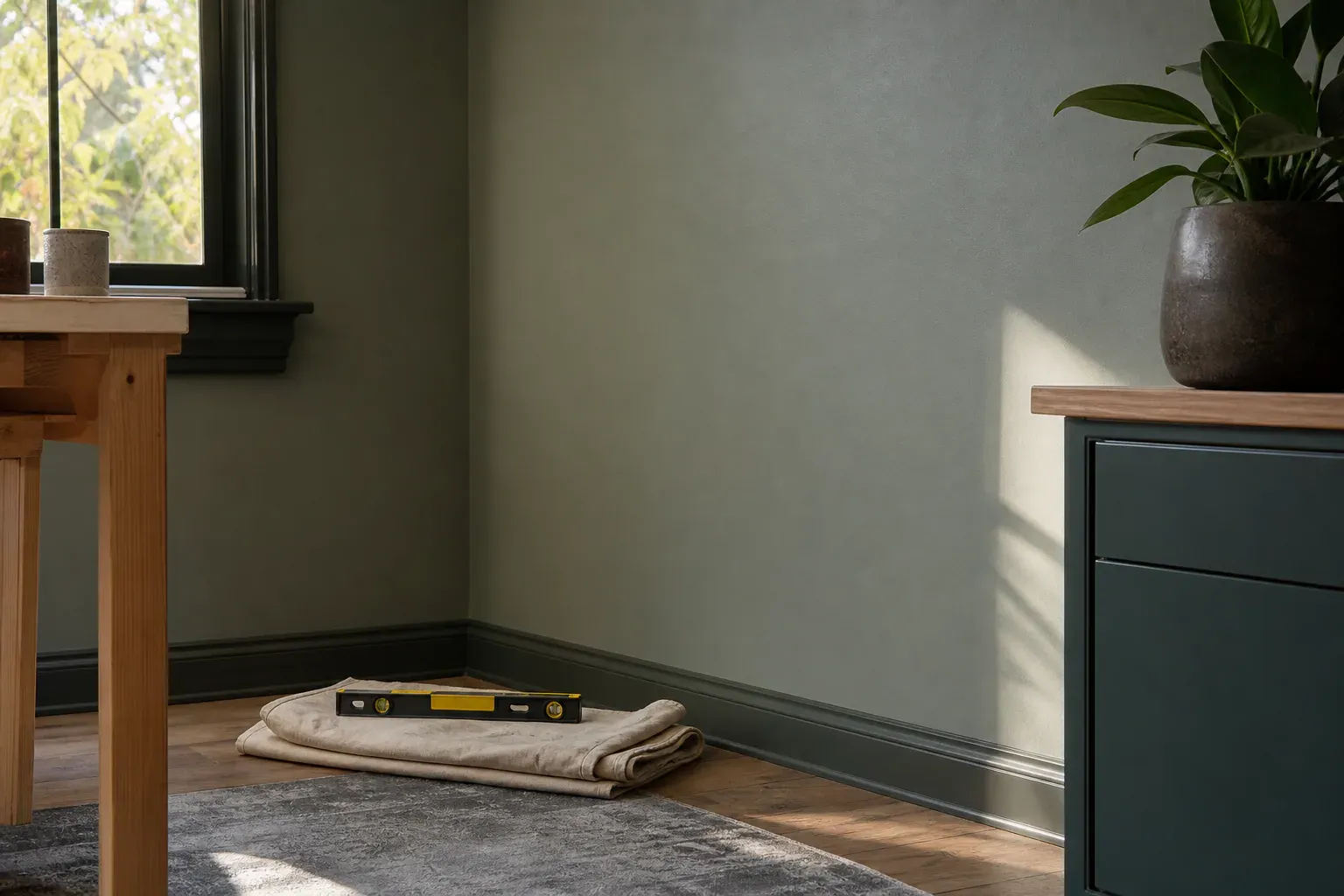
Over-mudding—applying compound too thick—creates ridges that show through paint. Under-sanding leaves compound bumps visible. Improper corner bead angles cause stress cracks. Homeowners often rush drying time, apply too many or too few coats, or sand too aggressively and break the tape. Seam visibility after paint is the most common complaint, caused by skipping primer, applying inadequate joint compound, or failing to sand properly between coats.
Learn the difference between cosmetic damage and structural concern. Hairline cracks above doorways and along corners are usually settling cracks—normal in older Burbank homes—and are cosmetic unless they widen over months. Soft spots, discoloration, or visible mold indicate water damage and require professional repair, not just patching. Bulging or bowing walls suggest structural movement and need professional assessment before any finishing work begins.
ADU construction is increasingly common in Burbank, and we frame-and-finish new walls for accessory dwelling units, bedroom additions, and interior remodels.
Older homes along West Verdugo Avenue and the Magnolia Park neighborhoods have seen decades of roof settling and minor shifts.
We apply drywall tape over every seam, embedding it in a thin bed of setting-type compound. Then we layer joint compound—USG Sheetrock or equivalent—in three to five coats, feathering each…
Once the compound hardens, we sand with 120-grit and then 150-grit paper, controlling dust with HEPA filtration.
Fire-resistant drywall options are required by LA County code in walls between attached units, stairwells, and garage-adjacent bedrooms.
Commercial drywall solutions for office spaces, storage units, or multi-unit buildings often call for acoustic board on ceilings.
Why homeowners call us
Every drywall job is scoped and priced in writing, so the number you approve is the number you pay. If something behind the wall changes the work, we stop and price it first.
You speak to the people doing the work, not a call centre, and cover certificates go to your building manager or general contractor on request.
Containment, floor protection and same-day debris removal on every interior job — the space stays usable while the work is going on.
Crews work Burbank and the surrounding cities every week, so a walkthrough is usually available within the same week you call.
FAQ
A 12×12 room with standard 1/2" gypsum board, Level 3 finish, and basic texture typically costs $2,800–$4,200 including labor and materials. Moisture-resistant board, higher finish level, or structural repairs add cost. We provide a detailed quote on-site after measuring and inspecting existing conditions.
Settling cracks are thin, appear along seams or corners, and don't worsen over weeks. Water damage shows soft, spongy areas, discoloration, or visible mold staining. Run your hand over the wall; water-damaged drywall feels weak or crumbles. Cracks that open and close with seasonal humidity are settling; persistent soft spots warrant professional inspection.
Sheetrock is a brand name (USG); drywall is the generic term for gypsum board. On your project, the difference is minimal—both are gypsum core with paper facing. What matters is the type: standard, fire-resistant, or moisture-resistant. We choose the right type based on code and location, not the brand.
Call (213) 555-0110 and we will come out and price the work in writing.