Drywall Installation and Hanging in Universal City, CA
Housing stock here runs from mid-century apartment blocks to newer construction near Universal City Plaza, and each hangs drywall a little differently.
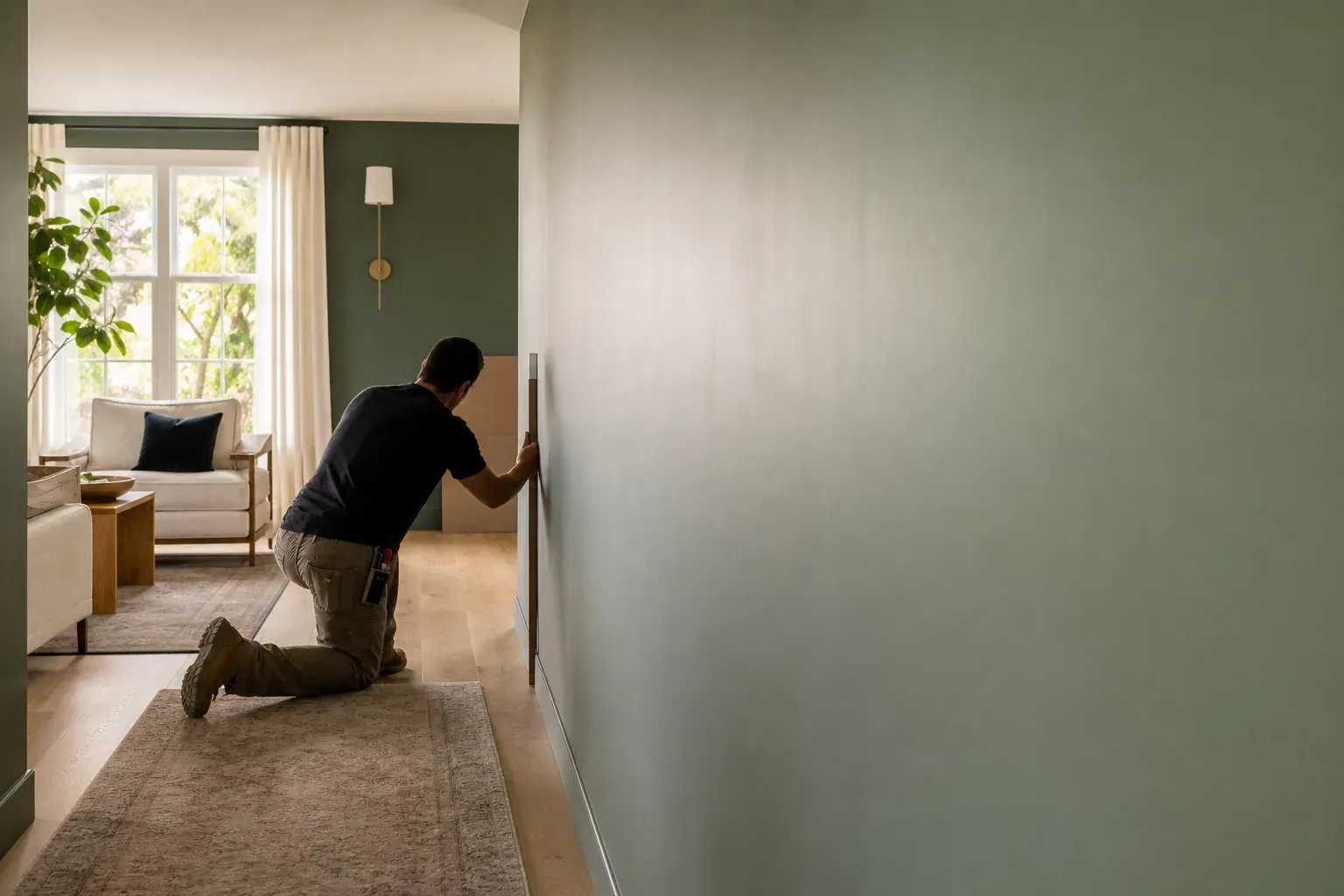
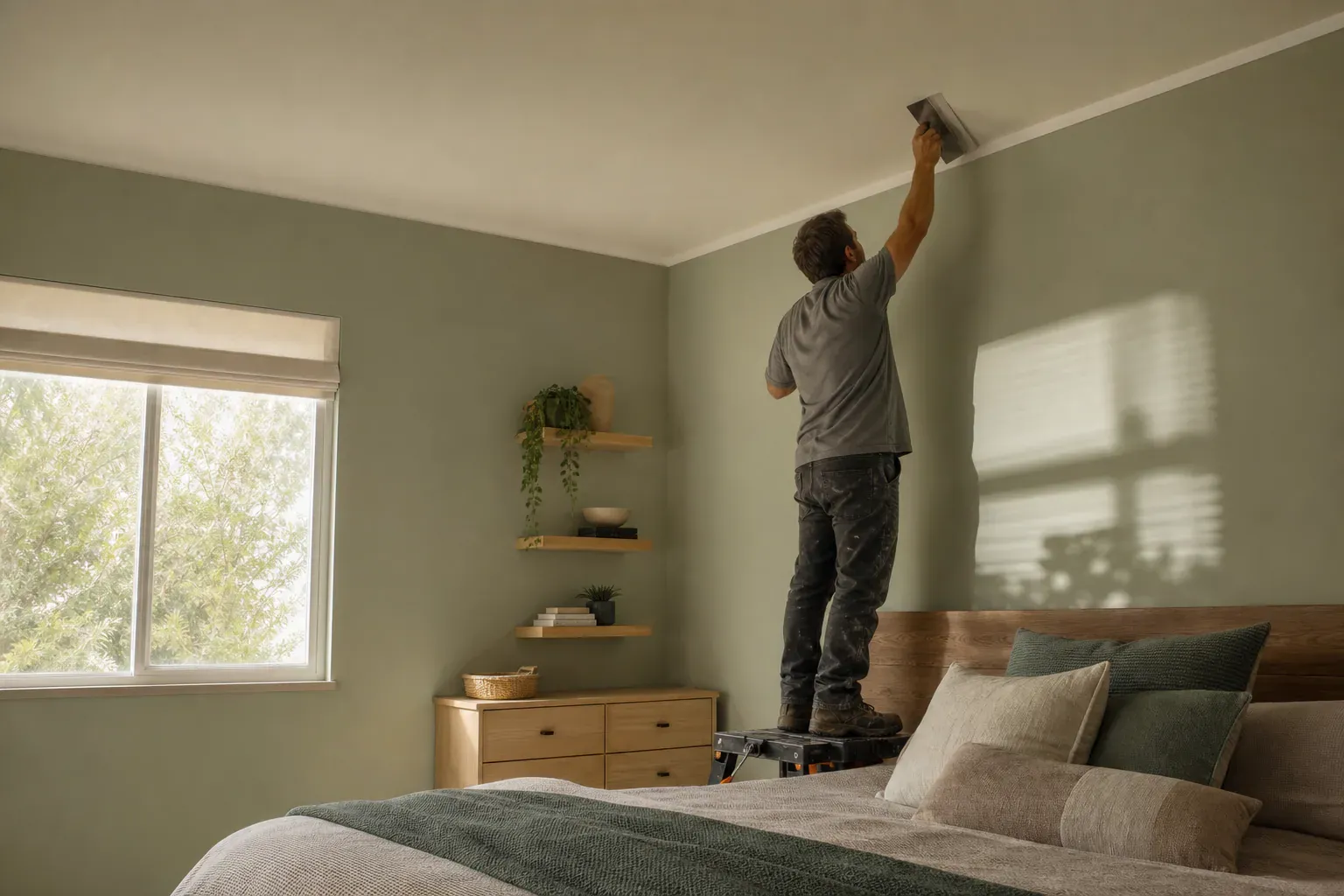
Glendale Quality Drywall installs, repairs, and finishes drywall in Universal City, CA, for homeowners, property managers, and builders, from the hillside blocks near Providencia Ranch to the apartment corridors along Lankershim Boulevard. We hang new board, patch old walls, match decades-old texture, and handle the mold and water damage that shows up behind it. Below is what drives the cost and timeline on these jobs.
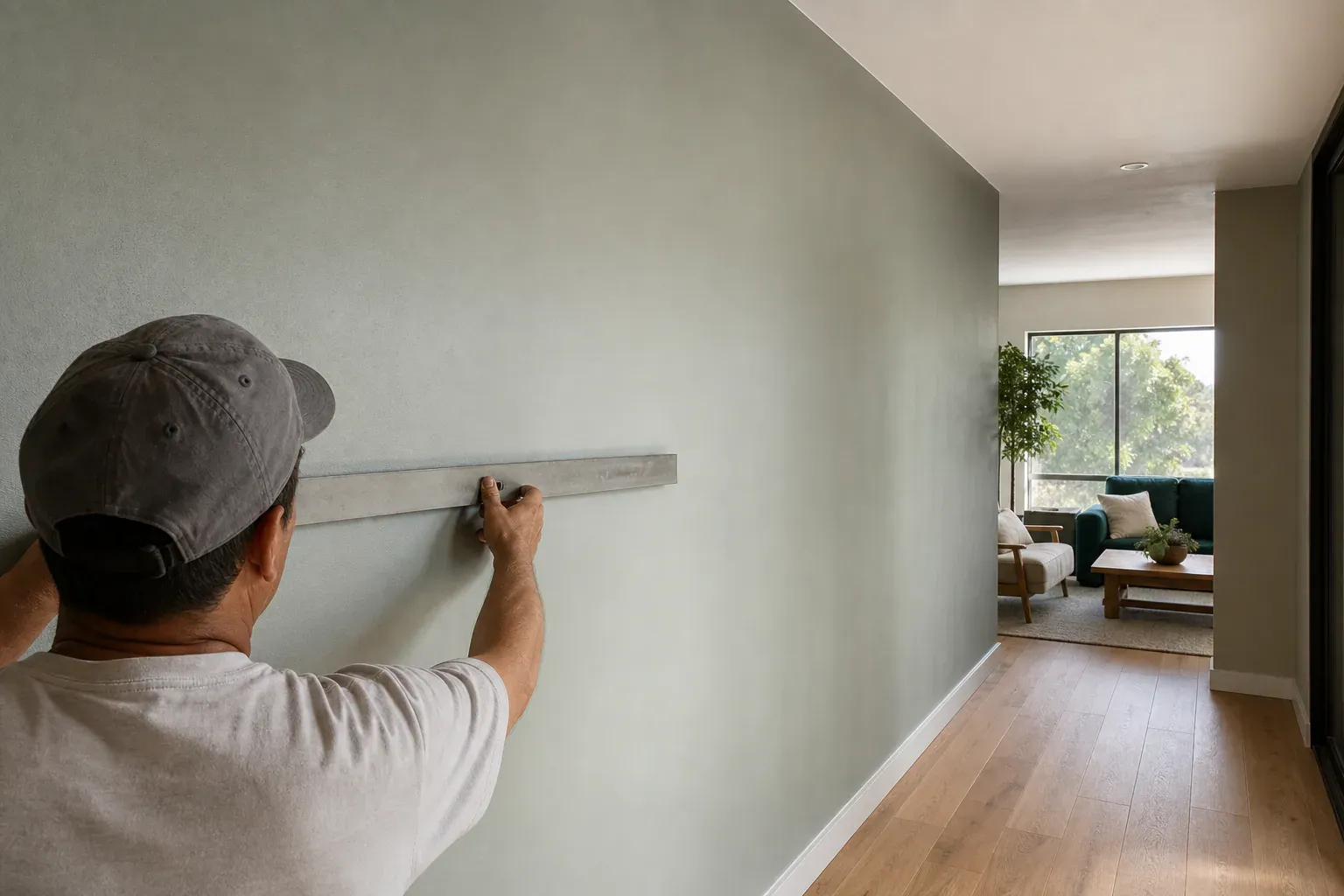
Housing stock here runs from mid-century apartment blocks to newer construction near Universal City Plaza, and each hangs drywall a little differently. We hang standard board in living areas, fire-rated 5/8-inch board on garage walls and ceilings shared with living space where code requires it, and moisture-resistant board around plumbing walls. A typical room runs framing check through hanging, taping, and three coats of mud in about a week. A full turnover, including new ceiling installation and drywall painting services, can run two to three weeks.
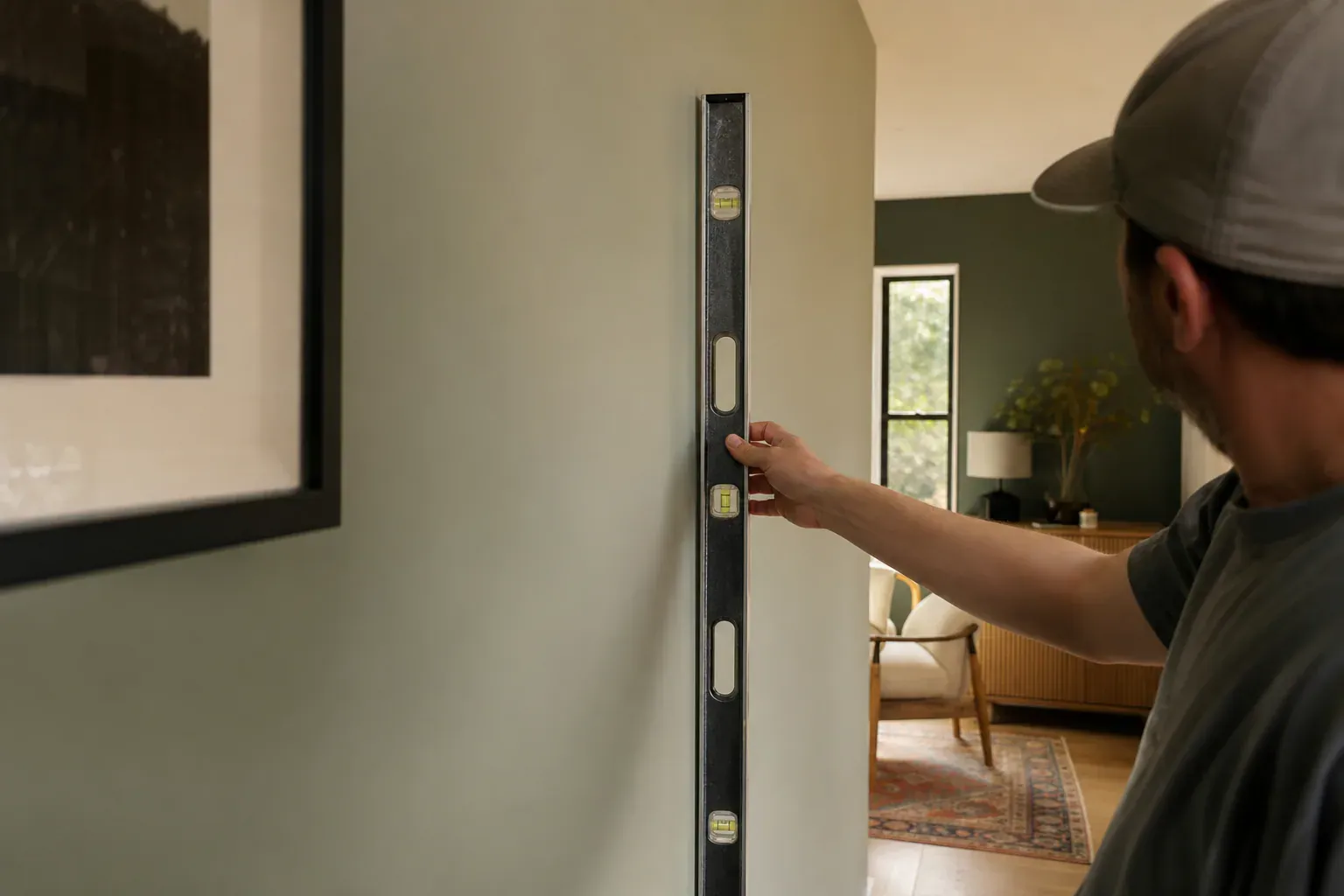
Drywall repair and patching make up most of our calls, since plaster walls in older buildings behave differently than the drywall additions built onto them over the years. DIY spackle over a hole usually telegraphs through paint within a season because it skips the tape step. We use tape-and-bed on every patch: mesh or paper tape set into a bed coat, then finish coats feathered wider and sanded smooth.
Fall-through ceiling damage from foot traffic in an attic, and water damage repair from a slow roof or plumbing leak, both need a moisture check before patching. Wet gypsum board loses strength even after it dries, so soft ceiling drywall gets cut out and replaced, not skim-coated over.
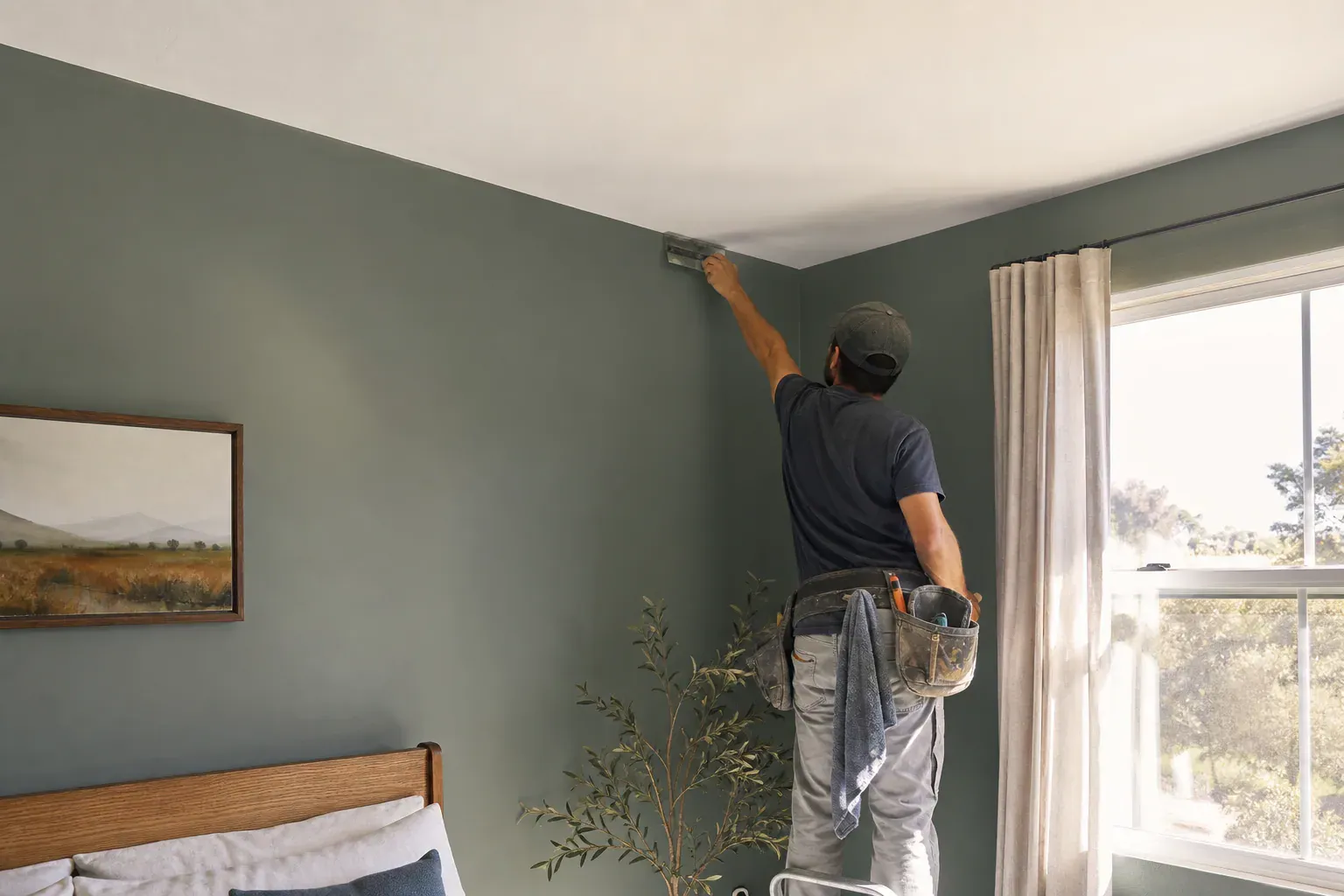
Most water damage here comes from plumbing failures and roof leaks rather than storms, but moisture sitting in a wall cavity does its damage quietly. We run structural drying before closing any wall, and use containment and air filtration when a cavity shows active growth. Bathroom mold removal, shower mold removal, and tile and grout mold cleaning come up often in older units with undersized bath fans. Wall mold remediation behind a tub surround means cutting back to sound board, treating the studs, and rebuilding with moisture-resistant board and waterproofing and mold prevention detailing at the tub flange before tile goes back on.
Popcorn ceiling removal is common in units built before it fell out of favor, and older texture sometimes needs testing before scraping starts. Once it's down, we skim the ceiling flat or apply new texture - knockdown, orange peel, or hand-troweled - to match adjoining rooms, then prime and paint to match sheen.
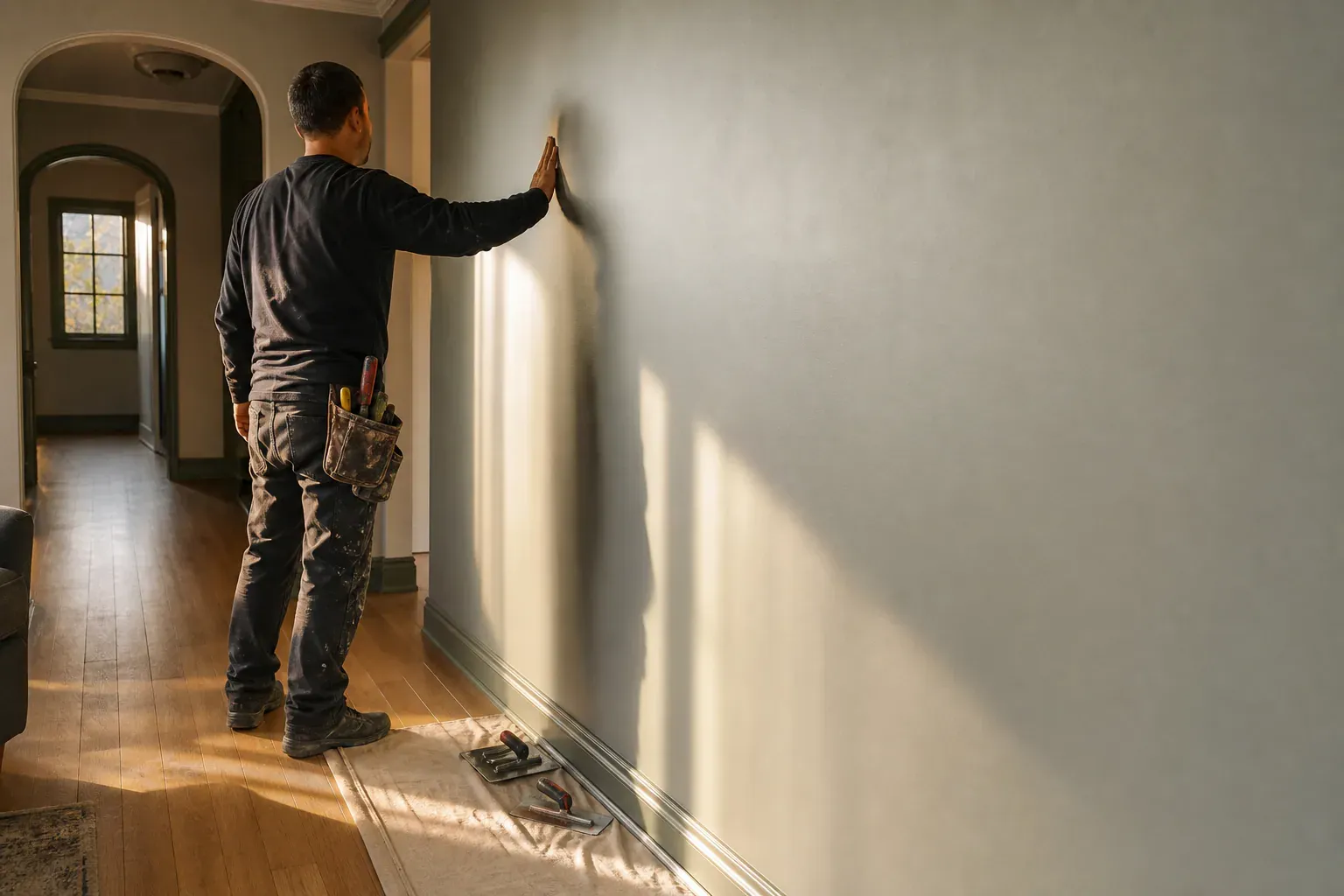
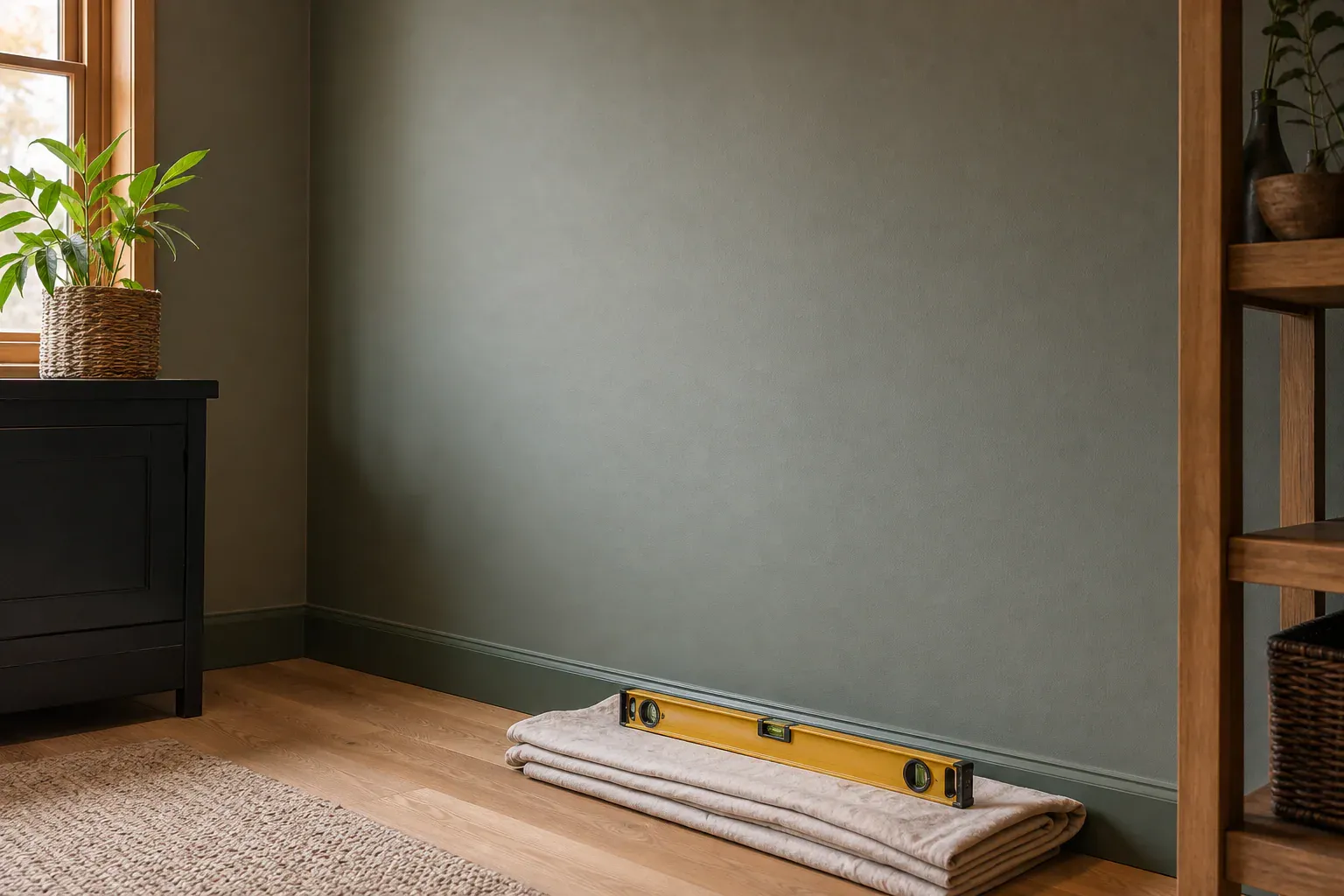
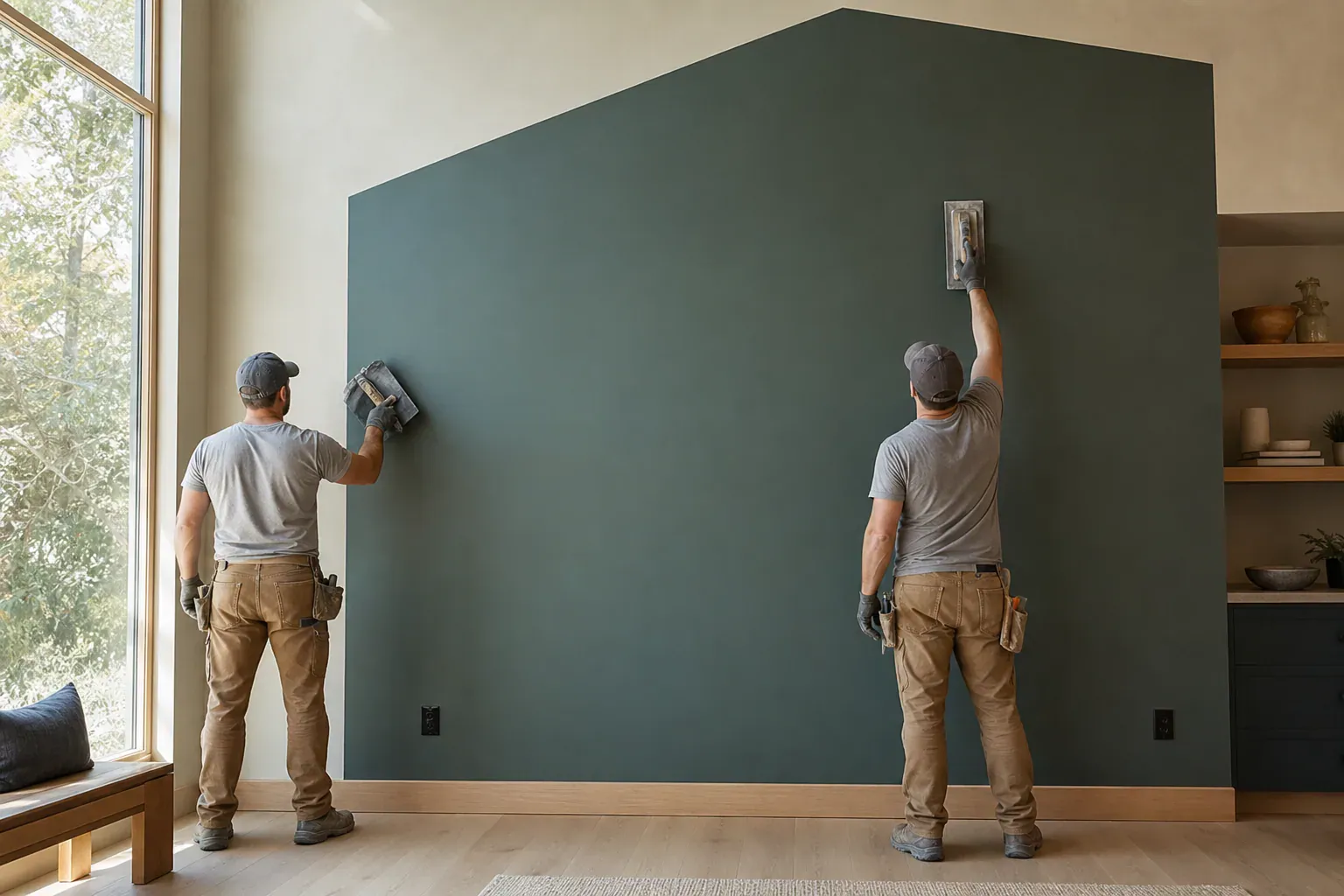
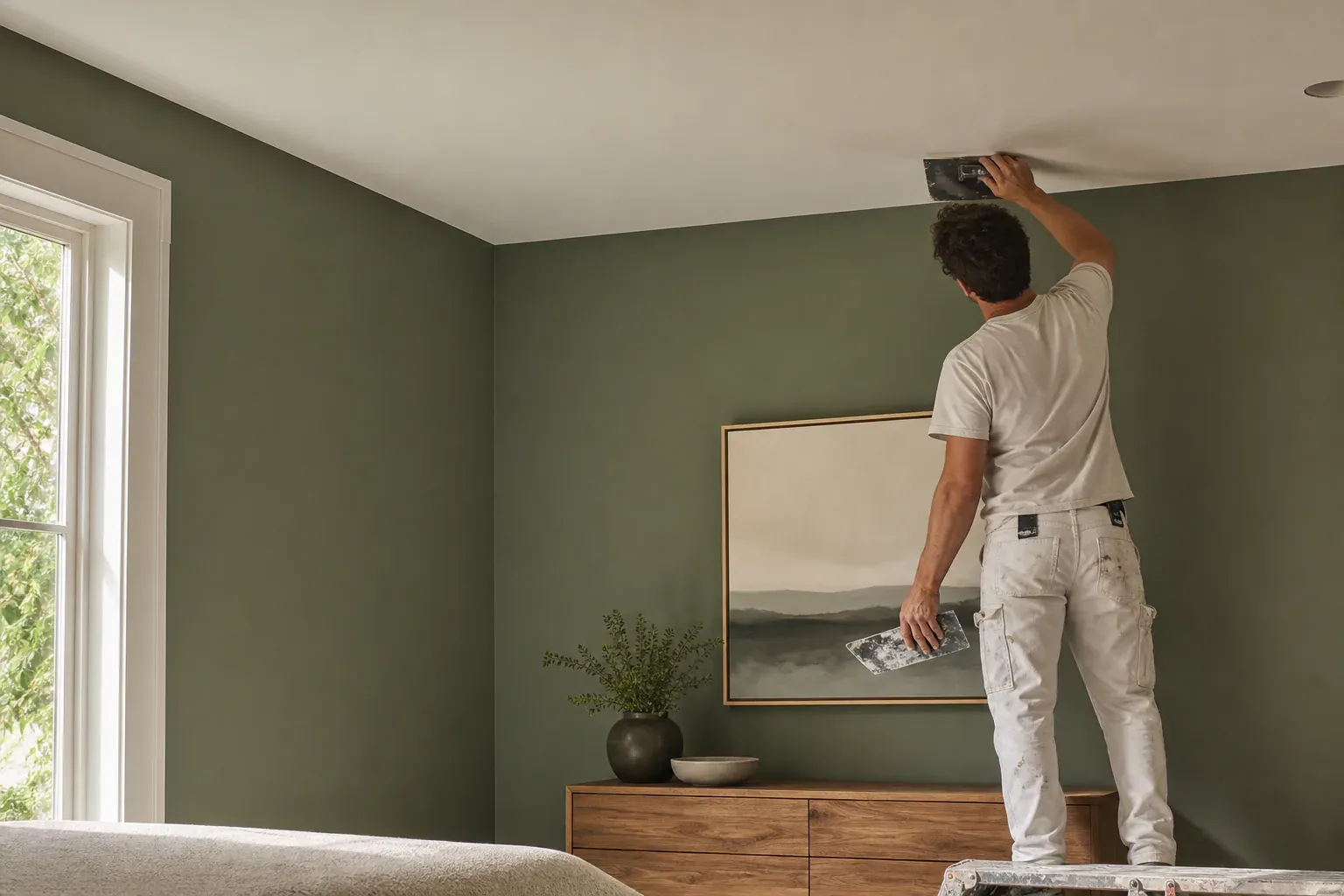
Finish levels run zero through five. A standard finish - tape, mud, and light texture - reads fine in a hallway. A full skim coat over the entire surface stops flashing and shadowing under the low, raking light common in west-facing rooms and stairwells. We offer mud, tape, and sand work on its own for repaints, followed by drywall painting services matched to existing sheen.
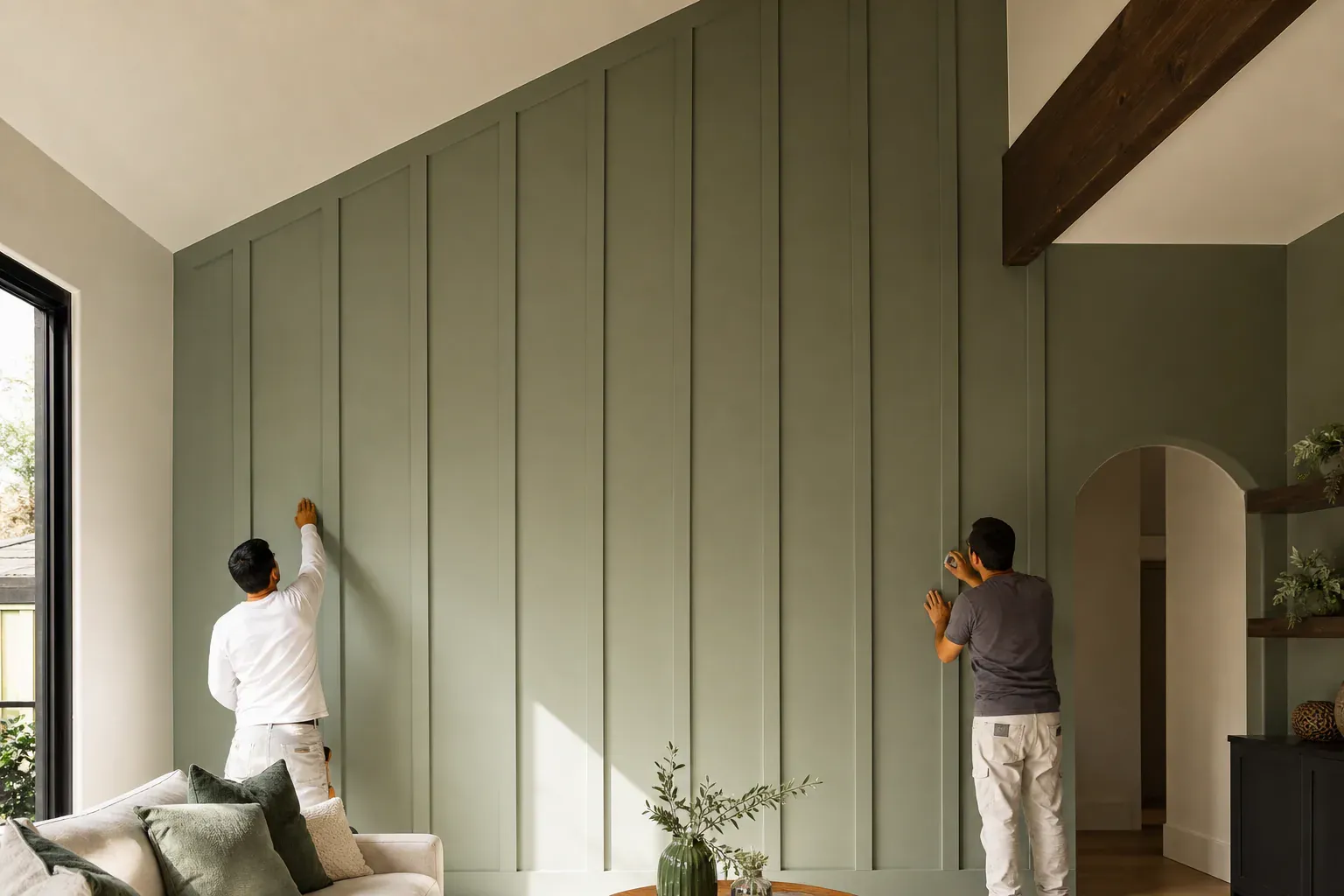
For exterior work we do stucco finishing and exterior insulation finish systems installation. Stucco is a hard cement-based coat over lath; EIFS uses foam insulation board under a synthetic finish coat for added weatherproofing. On plaster wall repair, we key the patch into sound plaster with a bonding coat, since joint compound alone won't hold on a crumbling lath base.
The drywall vs. plaster comparison comes up on nearly every older job. Plaster is a hard, multi-coat lime or gypsum system over wood or metal lath, common in older local construction; drywall is a manufactured panel taped and mudded at the seams. Plaster resists dents better but cracks with settling and costs more to patch. Drywall repairs faster and matches more predictably, which is why many older units carry drywall patches let into original plaster.
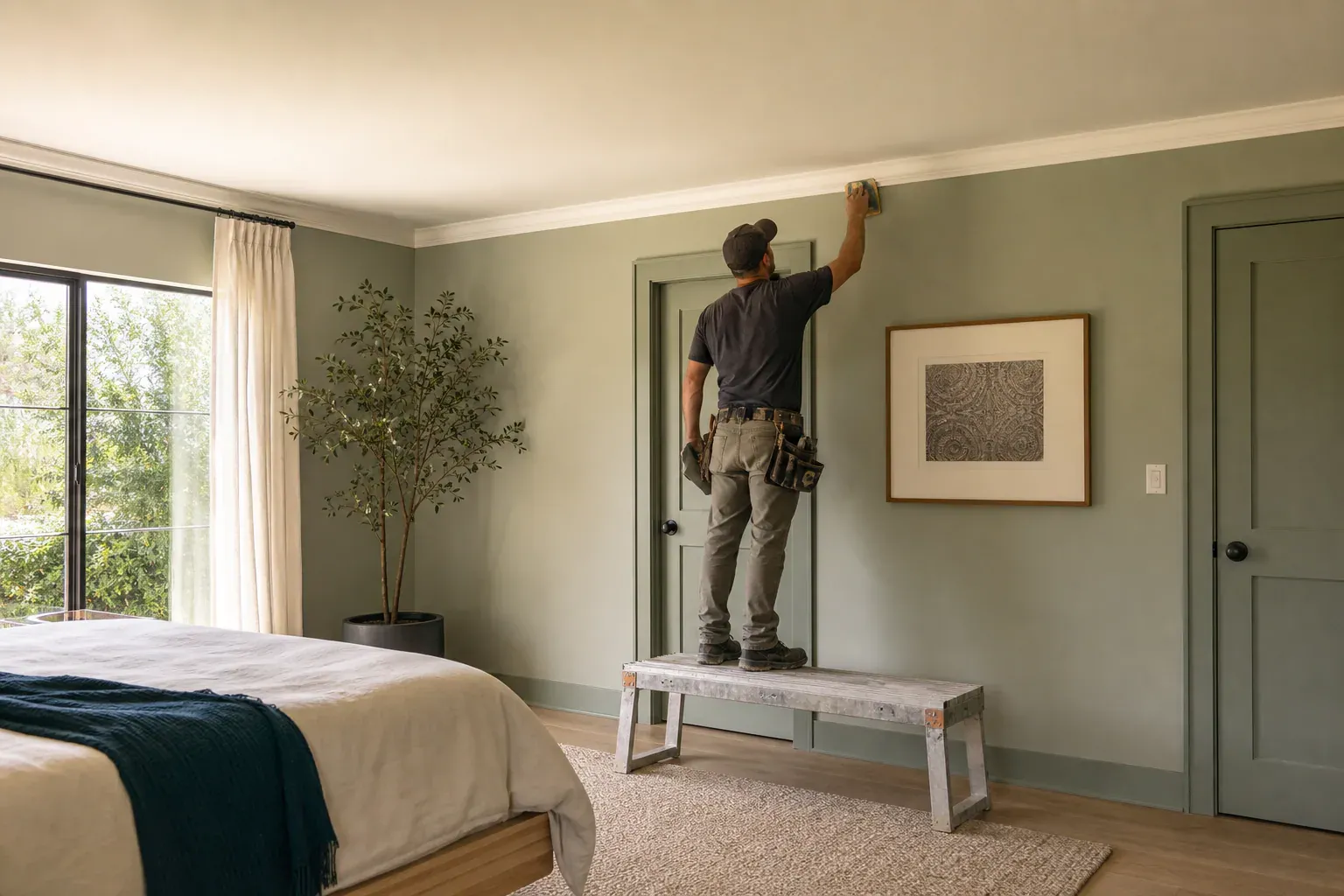
A small nail hole is a reasonable DIY fix with spackle and a putty knife. Anything involving a stud bay, moisture, texture matching, or a ceiling usually goes wrong on a DIY attempt - untaped seams crack, mismatched texture shows under side light, and cut corners on wet board mean redoing the work twice. We get called in most often after a first patch has already failed.
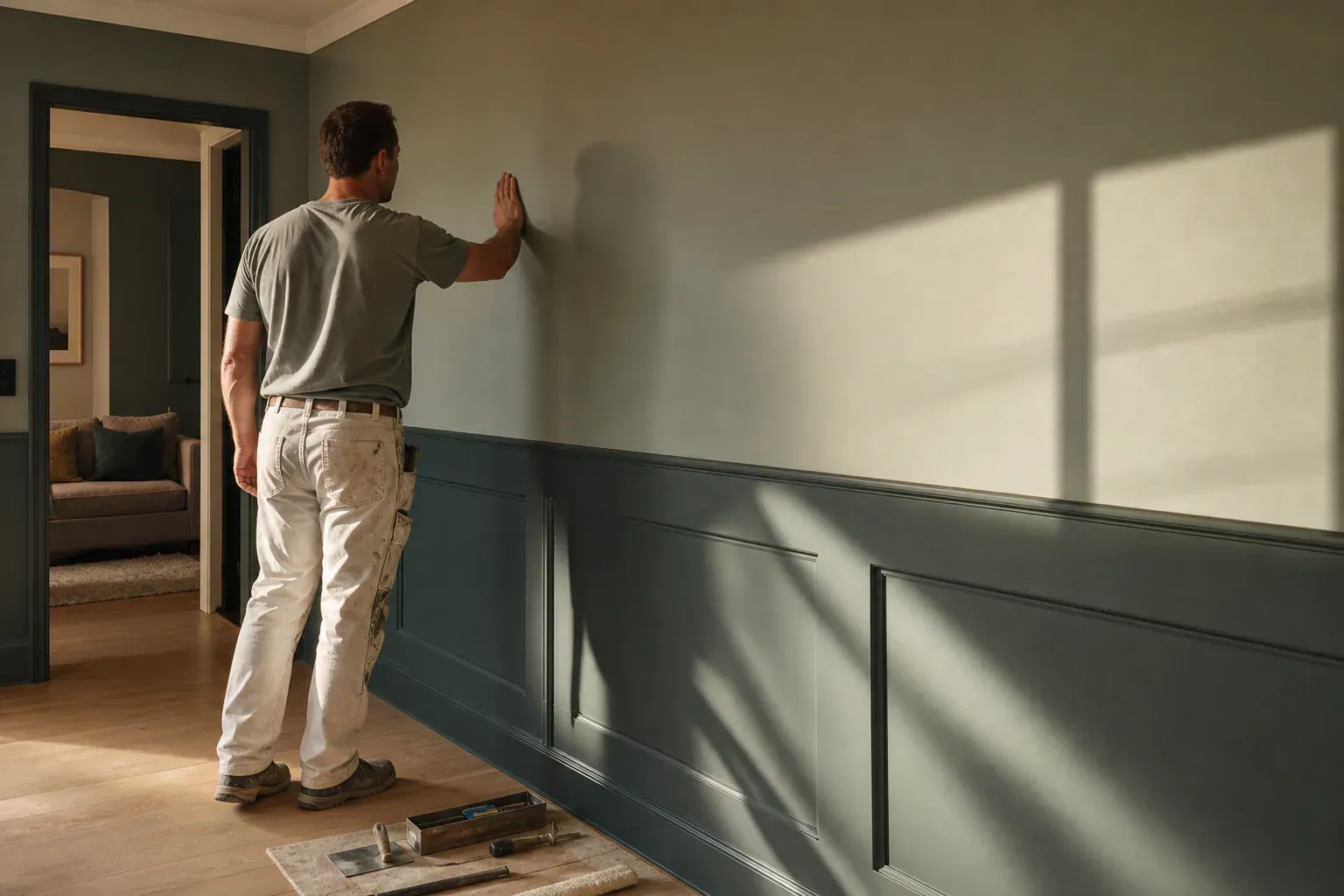
We're a locally operated, insured crew handling jobs from single condo units to full apartment turnovers near Universal Studios Hollywood and the Universal City Lot. The same crew stays on a job start to finish, and we pull permits when local building codes call for it, particularly on fire-rated assemblies between units or garages and living space. We stand behind the work. Estimates are a walk-through and a written scope, so you know what's driving the cost: square footage, finish level, ceiling height, or texture matching.
Housing stock here runs from mid-century apartment blocks to newer construction near Universal City Plaza, and each hangs drywall a little differently.
Drywall repair and patching make up most of our calls, since plaster walls in older buildings behave differently than the drywall additions built onto them over the years.
Most water damage here comes from plumbing failures and roof leaks rather than storms, but moisture sitting in a wall cavity does its damage quietly.
Popcorn ceiling removal is common in units built before it fell out of favor, and older texture sometimes needs testing before scraping starts.
Finish levels run zero through five. A standard finish - tape, mud, and light texture - reads fine in a hallway.
For exterior work we do stucco finishing and exterior insulation finish systems installation. Stucco is a hard cement-based coat over lath; EIFS uses foam insulation board under a synthetic…
Why homeowners call us
Every drywall job is scoped and priced in writing, so the number you approve is the number you pay. If something behind the wall changes the work, we stop and price it first.
You speak to the people doing the work, not a call centre, and cover certificates go to your building manager or general contractor on request.
Containment, floor protection and same-day debris removal on every interior job — the space stays usable while the work is going on.
Crews work Universal City and the surrounding cities every week, so a walkthrough is usually available within the same week you call.
FAQ
Installation covers a framing check, hanging sheets with correct fastener spacing, corner bead, tape and bed joints, three coats of joint compound, sanding, and texture or a full skim before paint. A single room typically takes about a week including dry time. Larger jobs, like a full apartment or new ceiling installation, run two to three weeks depending on finish level and texture.
Small holes get a mesh patch, tape, and mud built up in coats and sanded flush. Cracks along seams get re-taped rather than filled, since filling alone reopens with normal house movement. Water-damaged board gets cut back to dry, sound material after a moisture check, then rebuilt and textured to match using the same tool as the original finish.
Finish levels run zero through five. A standard finish is tape, two fill coats, and a skim over fasteners - fine under most paint and light texture. A full skim coat over the entire surface prevents joints and screw heads from showing under raking light or semi-gloss paint. We recommend it on accent walls, stairwells, and rooms with strong side lighting.
Call (213) 555-0110 and we will come out and price the work in writing.