Drywall Repair and Patching in Compton, CA
A nail pop is a small repair: we drive a drywall screw on either side of the popped fastener to re-secure the sheet, then cover the area with spackle and sand it smooth.
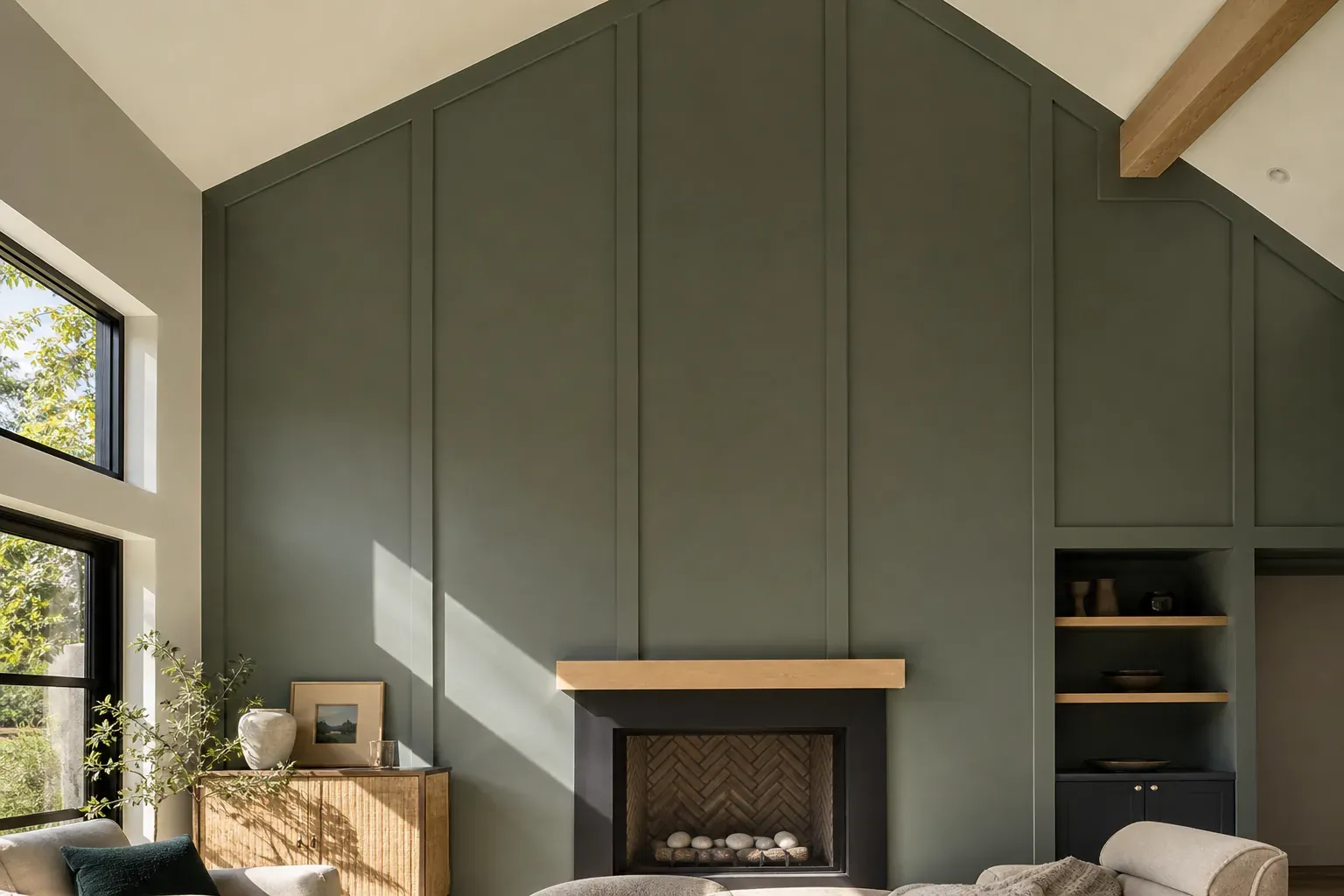
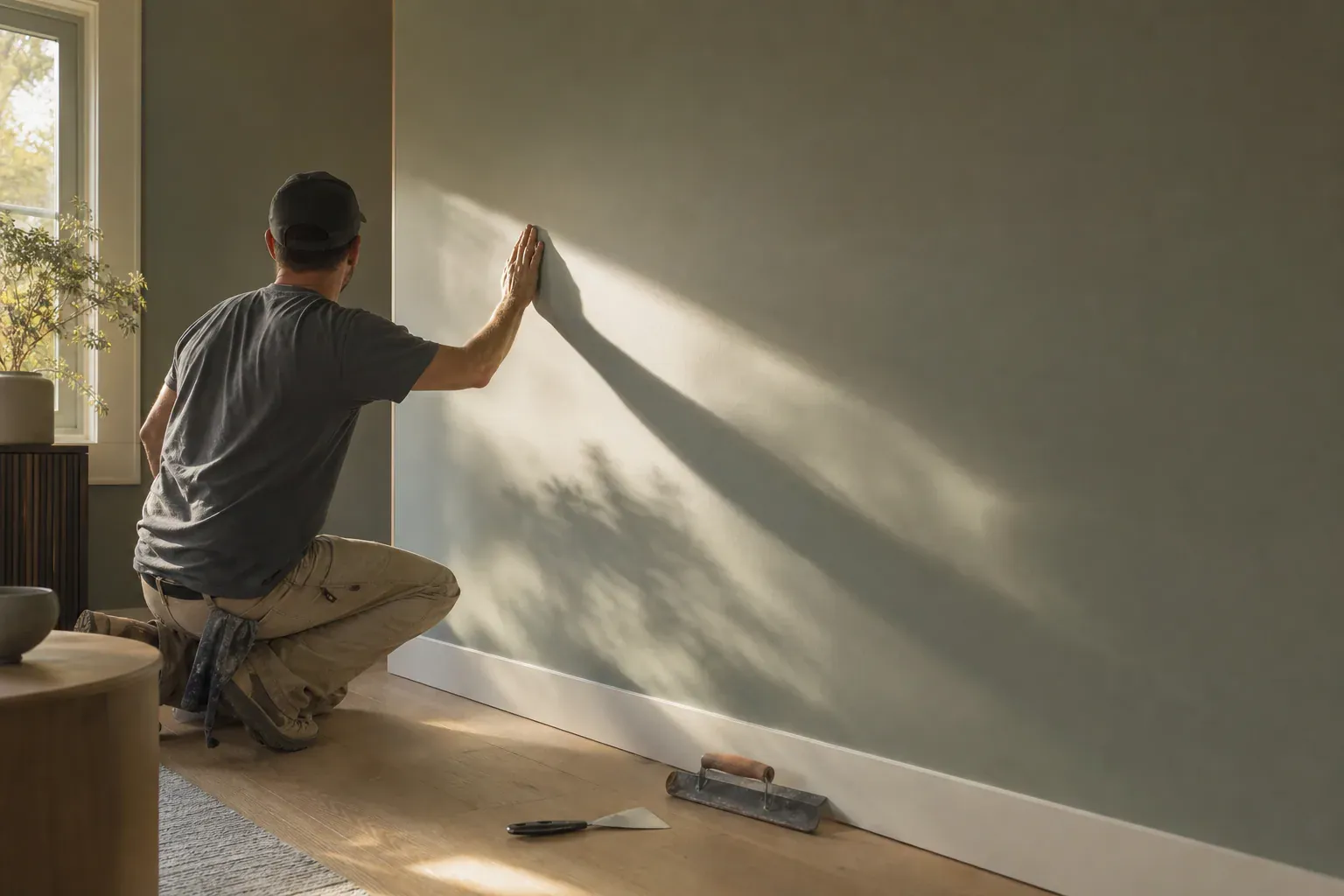
Glendale Quality Drywall provides drywall repair, installation, and finishing services across Compton, CA. Most drywall problems fall into three categories: nail pops where fasteners work back through the finished wall, stress cracks that form over door and window openings, and impact damage from contact with baseboards or corners. Understanding which type of failure you're looking at tells us whether you need a ten-dollar patch or a full panel replacement.
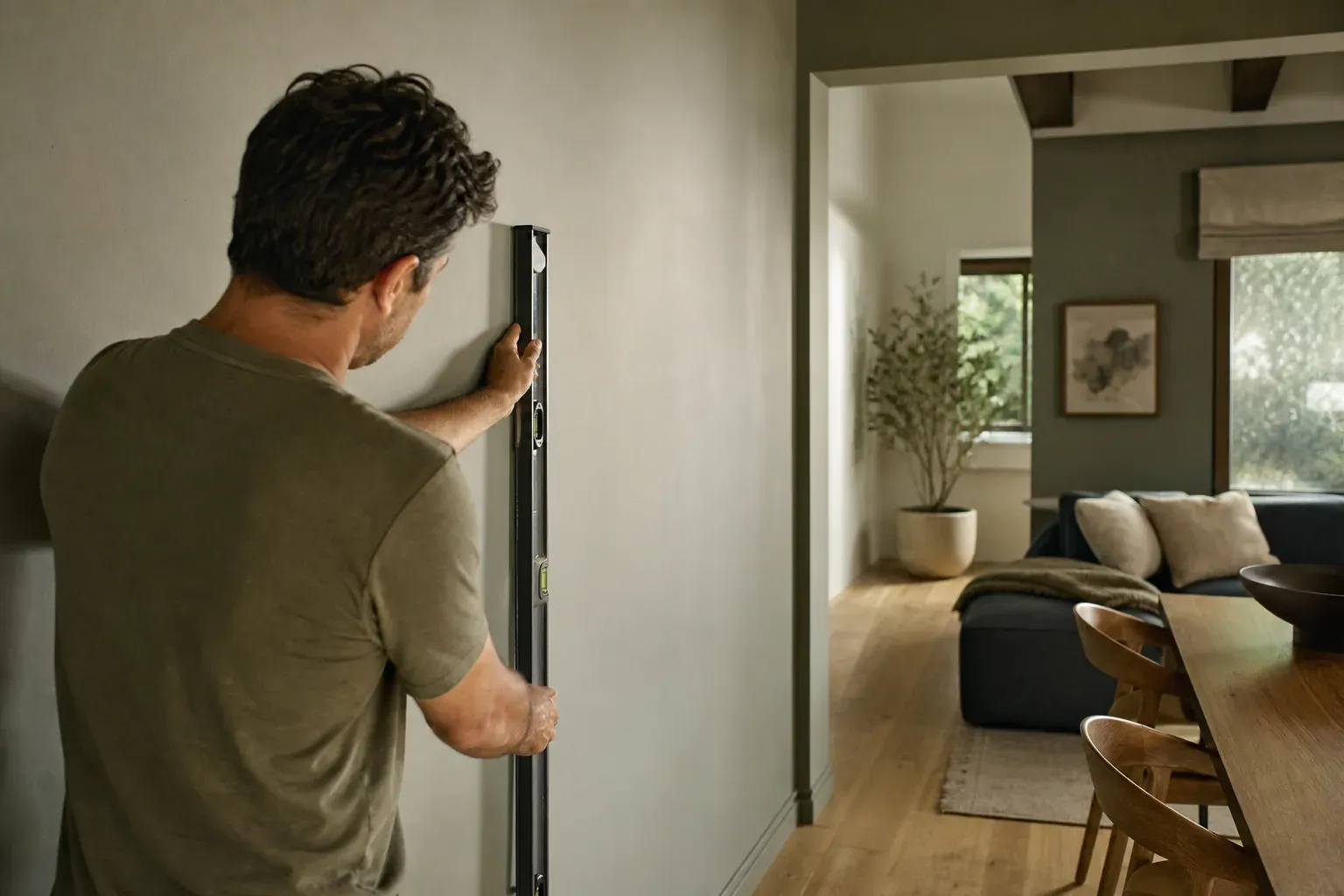
A nail pop is a small repair: we drive a drywall screw on either side of the popped fastener to re-secure the sheet, then cover the area with spackle and sand it smooth. Stress cracks over rough openings—a common failure pattern where roof load or settling has moved the header—need more work. We don't just fill the crack; we use joint compound and drywall tape to bridge it so it won't split open again. Hole in wall repair ranges from a one-inch nail hole (sand and spackle) to a six-inch dent (mud, tape, multiple coats) to impact damage big enough to require cutting out a section and hanging a new patch.
Drywall damage assessment starts by looking at whether the core is soft, whether the paper facing has torn, and whether moisture staining is present. We press on the surface and look for soft spots. If the board is wet, it has to come out. If it is damp but the paper is intact, we may be able to dry it in place with ventilation.
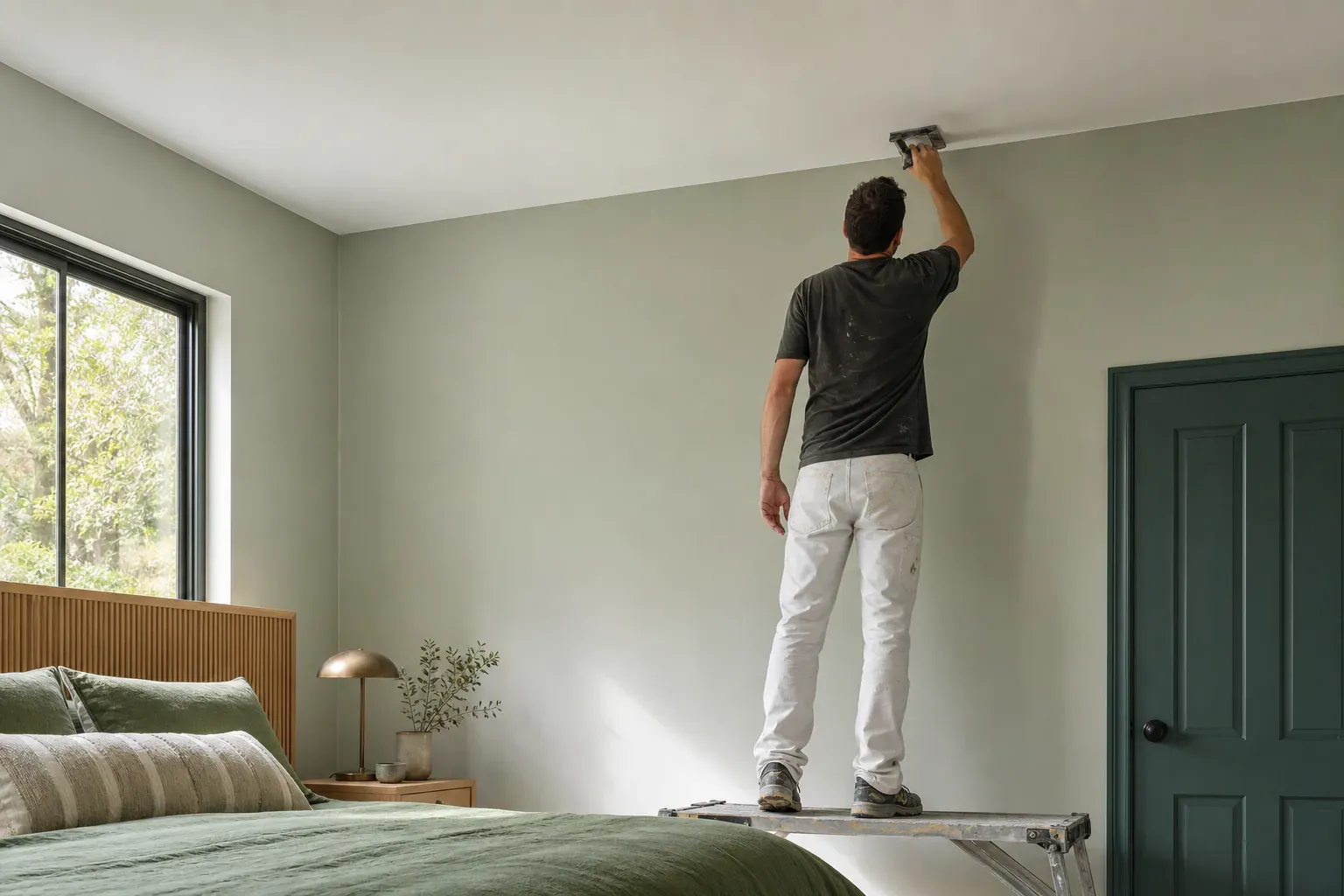
Ceiling repair in older Compton homes often means removing failed plaster and hanging new drywall, which improves both durability and acoustic performance. Compton's housing stock is dense, with homes ranging from mid-century post-war construction to newer additions and remodels. That mix means we handle everything from load-bearing wall installation during additions to targeted repairs on walls that have settled unevenly over decades. The homes near Alondra Boulevard and throughout the central neighborhoods often have lath and plaster walls that homeowners want replaced with modern gypsum board during kitchen remodels or bathroom additions.
When we install interior wall systems, we start with light gauge metal framing or wood studs depending on code and load requirements. The frame gets plumbed and squared before we hang the first layer of gypsum board. We fasten sheets at 16-inch centers with drywall screws to studs and blocking, keeping fastener heads slightly recessed so the taping compound can sit flush.
Kitchen drywall installation requires precision around exhaust hoods, electrical outlets, and the transition between wall and soffit. We cut out openings cleanly and make sure the board sits tight to existing studs so the finished seams don't crack from movement. Residential drywall services in Compton often involve working around existing electrical, plumbing, and HVAC runs already in the walls.
Compton's proximity to the coast and drainage patterns mean water intrusion and storm damage happen. We respond to emergency calls for water damage, wind damage, and pipe leaks that soak drywall. If we catch it early, we can cut out the wet material, dry the framing underneath, and hang new moisture-resistant board before mold colonizes. We do not simply patch over water damage and paint.
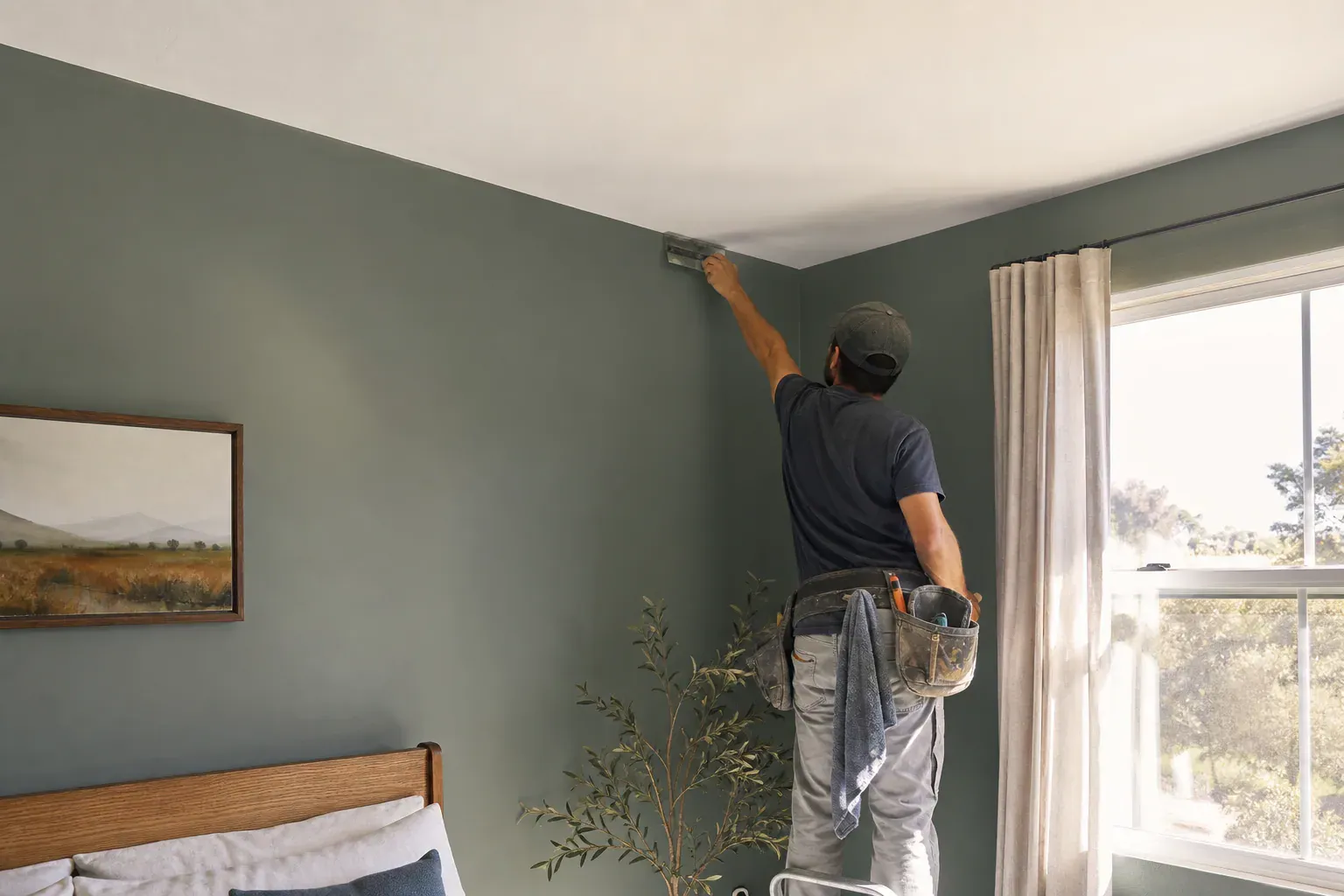
Compton's location south of downtown Los Angeles and proximity to coastal humidity mean moisture is a real concern in bathrooms, kitchens, and basements. Greenboard is standard gypsum board with a moisture-resistant gypsum core and a green paper facing. It resists mold growth better than standard drywall but it is not waterproof. We use greenboard in bathrooms, above sinks, and in kitchens near steam sources. Firecode drywall has a different gypsum formulation that resists fire; it's required in certain wall assemblies under Compton building codes.
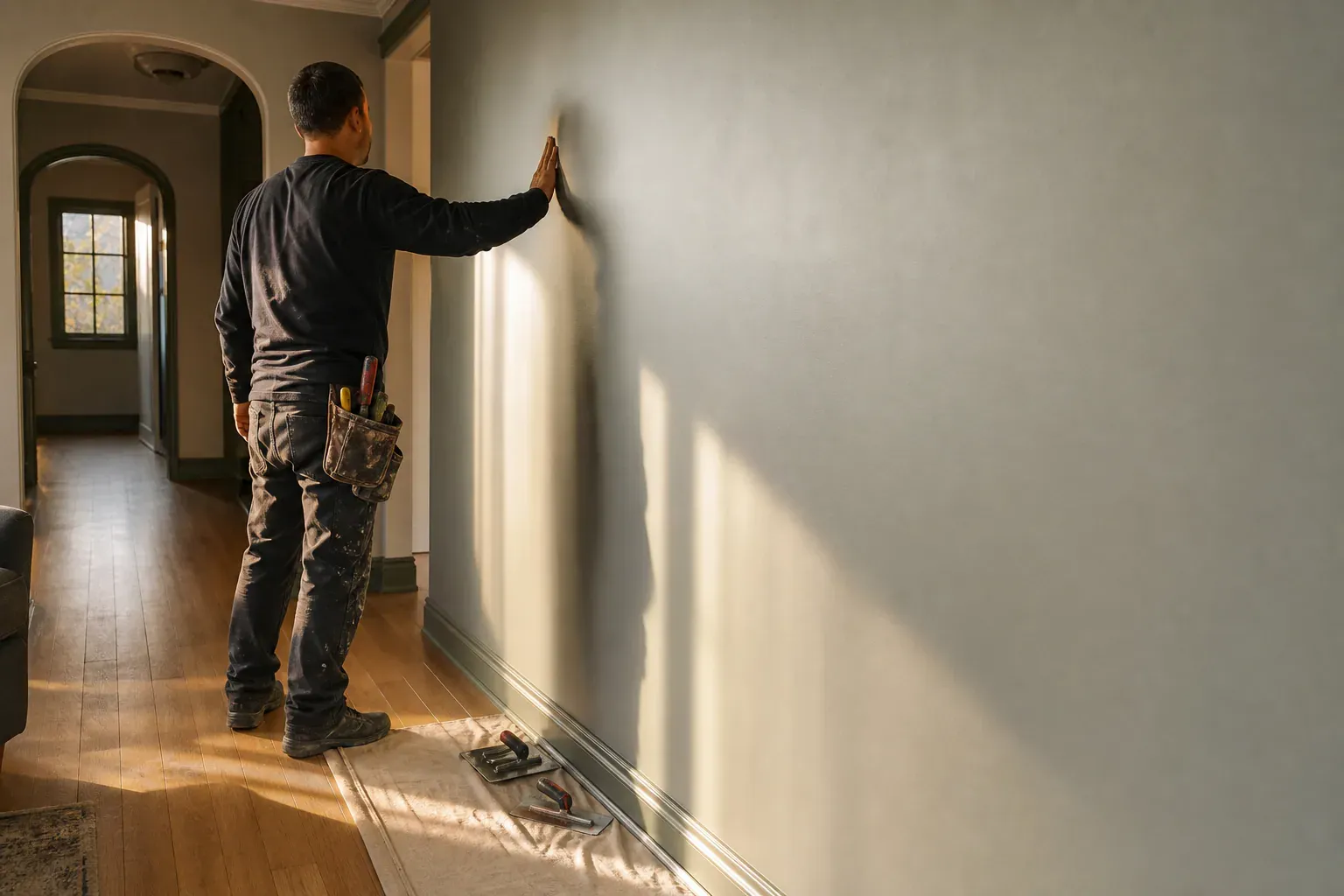
Finishing quality has a direct effect on how walls and ceilings look under paint and under lighting. Most residential drywall services include a level 3 or level 4 finish unless the homeowner specifically requests level 5. The difference is in how many coats of joint compound we apply and how much we sand between coats. Level 5 finish uses three or four coats of joint compound and a final skim coat over the entire wall surface.
Smooth finishes show every imperfection, so they demand precision and skill and cost more. Textured finishes hide imperfections and reduce cleaning time, which is why many Compton homes have spray-applied texture. The tradeoff is that textured walls are harder to repair without visible patching. We can apply either based on your preference and the style of your home.
Taping starts with drywall tape—a paper or fiberglass mesh strip—embedded in a first coat of compound at every seam. Corner bead, a metal or plastic extrusion, covers all outside corners. A drywall knife spreads compound in thin, wide passes to feather out the edges so the seams disappear under paint. After each coat dries, we sand with 150-grit to 220-grit sandpaper to knock down ridges and smooth the surface.
Bedrooms, home offices, and studios benefit from sound dampening. Acoustic drywall absorbs sound energy rather than reflecting it, which reduces noise transmission from outside or between rooms. Installation is the same as standard drywall—screw it to studs at 16 inches—but the finish is different: acoustic board doesn't mud, tape, or paint like gypsum board does. We hang it with the front face exposed. It's an effective solution for Compton homes close to high-traffic areas.
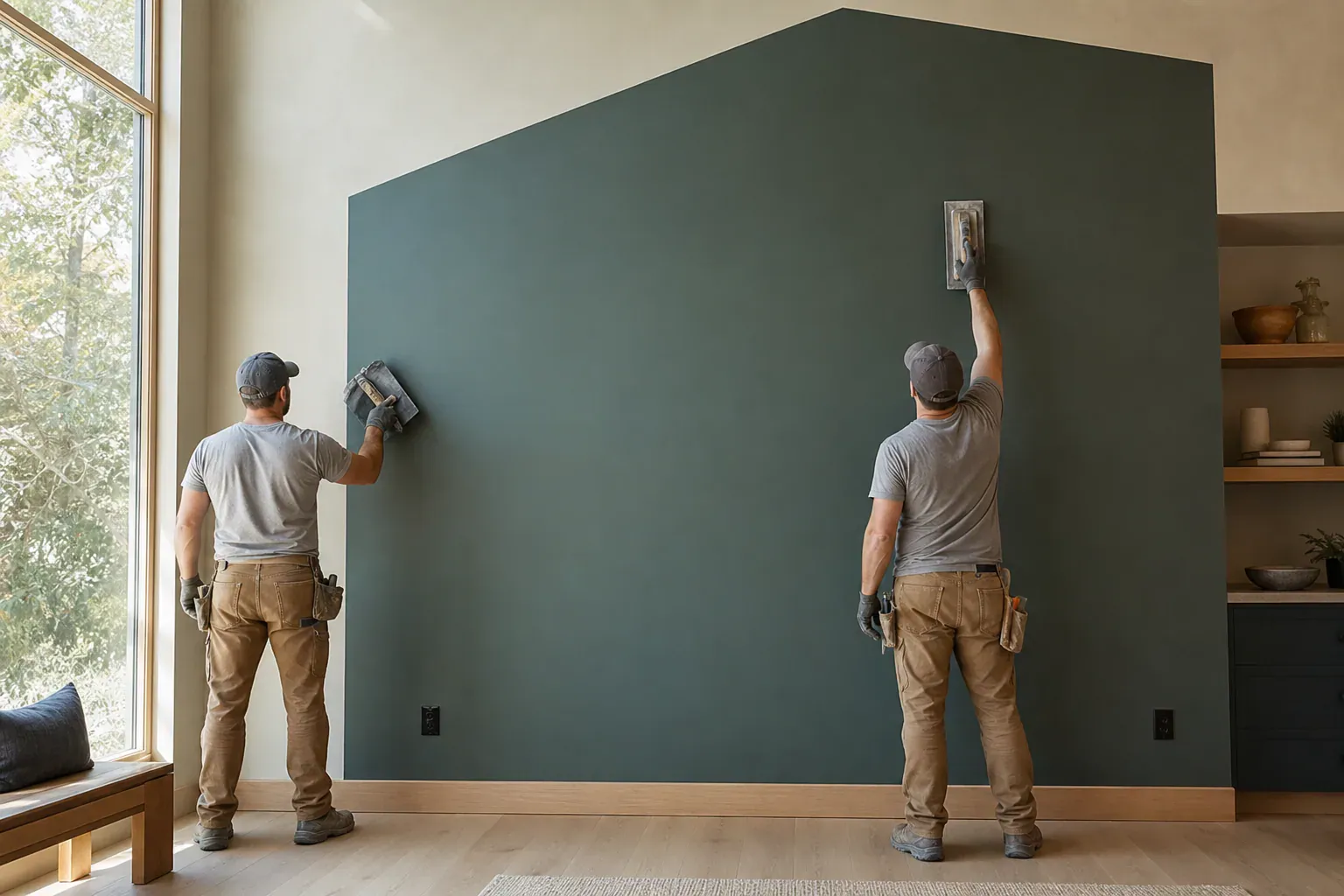
A licensed drywall contractor meets training and experience standards set by the state and carries workers' compensation and liability coverage. We maintain the licenses and insurance required to work on residential and commercial drywall services in Compton. Commercial drywall services include framing and finishing for office suites, retail spaces, and industrial applications. Compton building codes require fireproofing in certain wall assemblies, proper nail spacing, and structural backing for heavy fixtures. New interior wall installation requires a permit and inspection. We handle the preconstruction planning and work with city inspectors at the Civic Center to ensure every installation meets Compton code.
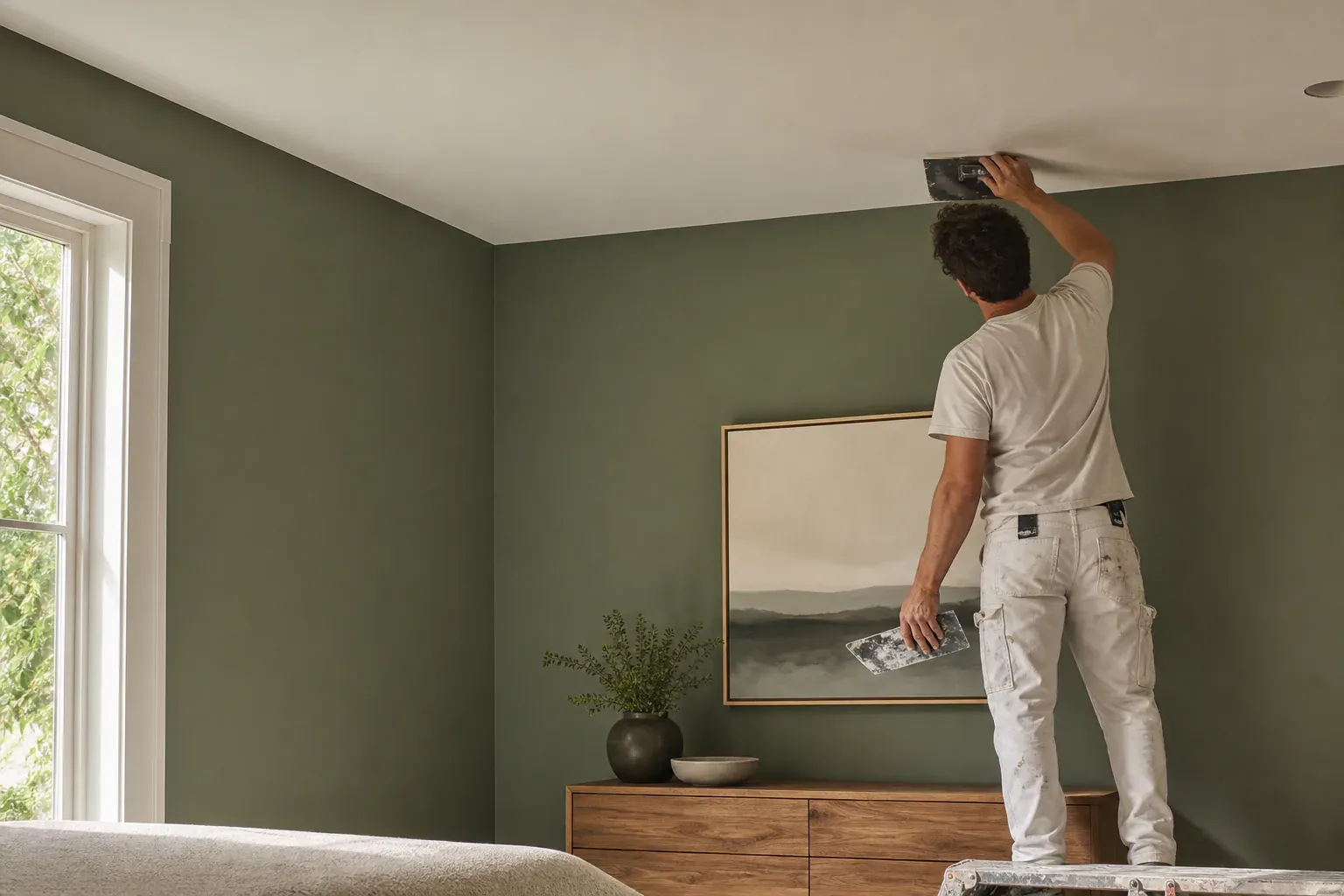
DIY drywall patching works for small holes, but larger repairs and professional drywall finishing require skill and equipment. A poor finish repair shows under paint and lighting. Professional work costs more upfront but it lasts and it looks right. We own mudding tools, sanders, scaffolding, and lift equipment that homeowners don't have. The finish seam disappears completely when done by hand with the right technique and material.
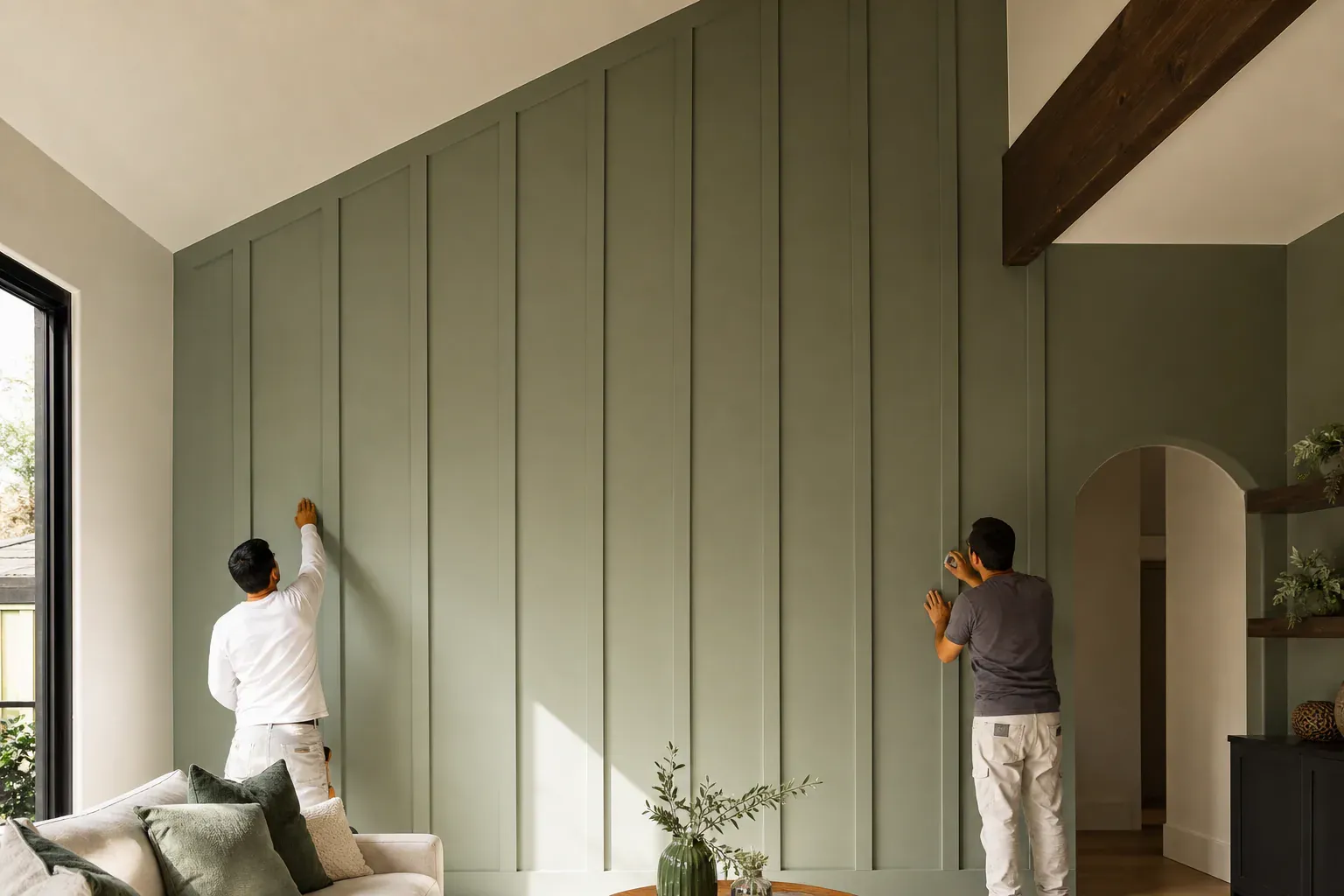
Drywall cost estimation depends on square footage, finish level, material type, and access. Ceilings cost more than walls because of the labor overhead. Standard gypsum board works for dry interior spaces. Greenboard resists moisture in bathrooms and kitchens. Lightweight drywall has a lighter core and is easier to work with on ceilings but it is not inherently stronger.
Mudding is the process of applying joint compound in layers. We use different mud formulas for different stages: setting compound for the first coat, all-purpose compound for the middle coats, and lightweight topping compound for the final skim coat. Drywall scraps and damaged material can be recycled instead of landfilled. We separate clean gypsum offcuts and send them to facilities that recover the gypsum for reuse in new board or soil amendment. Contaminated or painted scraps go to construction waste streams. Responsible eco-friendly disposal reduces landfill burden and keeps material in the loop.
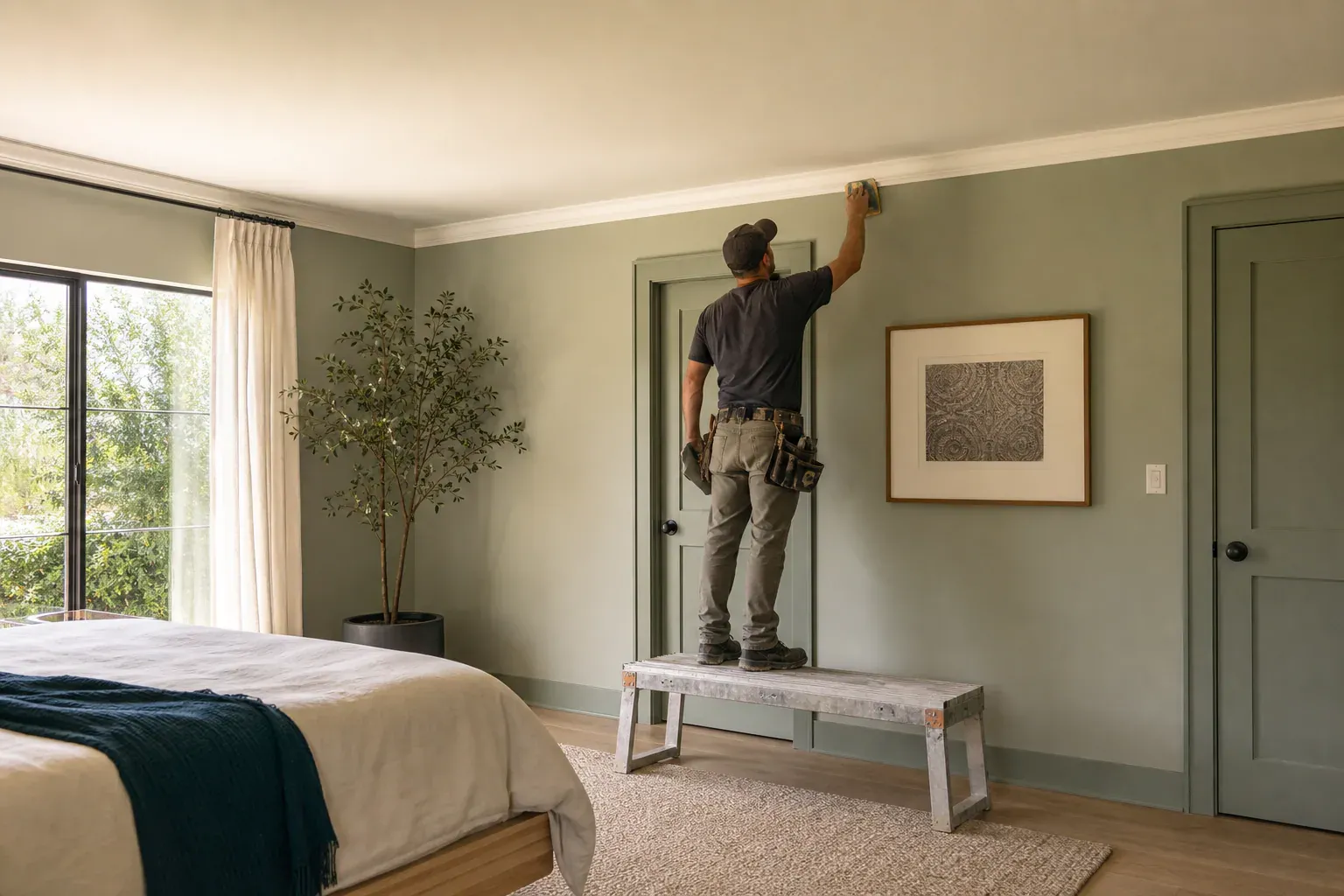
A California drywall contractor must hold a C-45 license issued by the Contractors State License Board, which requires documented apprenticeship hours, a written examination covering building codes and safety practices, and proof of workers' compensation insurance. The licensing process exists to protect homeowners by ensuring that the person hanging and finishing your drywall understands load requirements, fire ratings, moisture barriers, and local building code compliance specific to Compton and California. When you hire a licensed contractor for drywall work, you have legal recourse if the work is defective or incomplete, and the CSLB maintains a public record of complaints and disciplinary actions against that license holder. Insurance requirements go hand in hand with licensing; your drywall contractor should carry both general liability coverage and workers' compensation to protect you if someone is injured on your property during the job. Before signing a contract, ask to see the contractor's current license number and verify it through the CSLB website, then request proof of active insurance with you named as an additional insured party.
A nail pop is a small repair: we drive a drywall screw on either side of the popped fastener to re-secure the sheet, then cover the area with spackle and sand it smooth.
Ceiling repair in older Compton homes often means removing failed plaster and hanging new drywall, which improves both durability and acoustic performance.
Kitchen drywall installation requires precision around exhaust hoods, electrical outlets, and the transition between wall and soffit.
Compton's proximity to the coast and drainage patterns mean water intrusion and storm damage happen.
Compton's location south of downtown Los Angeles and proximity to coastal humidity mean moisture is a real concern in bathrooms, kitchens, and basements.
Finishing quality has a direct effect on how walls and ceilings look under paint and under lighting.
Why homeowners call us
Every drywall job is scoped and priced in writing, so the number you approve is the number you pay. If something behind the wall changes the work, we stop and price it first.
You speak to the people doing the work, not a call centre, and cover certificates go to your building manager or general contractor on request.
Containment, floor protection and same-day debris removal on every interior job — the space stays usable while the work is going on.
Crews work Compton and the surrounding cities every week, so a walkthrough is usually available within the same week you call.
FAQ
Cost depends on square footage, finish level, and material type. A simple repair costs $150–400. A bedroom addition with level 3 finish runs higher per square foot than a basement wall with level 2 finish. We provide a drywall cost estimation after measuring the space and understanding your finishing requirements.
A hole repair takes 2–4 hours. A full room installation with hanging, taping, finishing, and primer takes 3–7 days depending on complexity and finish level. Level 5 finish takes longer because it requires more coats and sanding. Emergency same-day response is available for water damage and storm damage.
Level 5 is three to four coats of joint compound plus a final skim coat, sanded smooth. It hides seams completely and works well in high-light areas, formal rooms, and homes with glossy paint or critical lighting. Level 3 or 4 is standard for most residential work and costs less. We recommend level 5 if you have recessed lighting, natural light from windows, or a preference for a flawless surface.
Call (213) 555-0110 and we will come out and price the work in writing.