Drywall Texture Services in Glendale, CA
Drywall texture is a spray or hand-applied finish that covers wall or ceiling surfaces with a patterned compound.
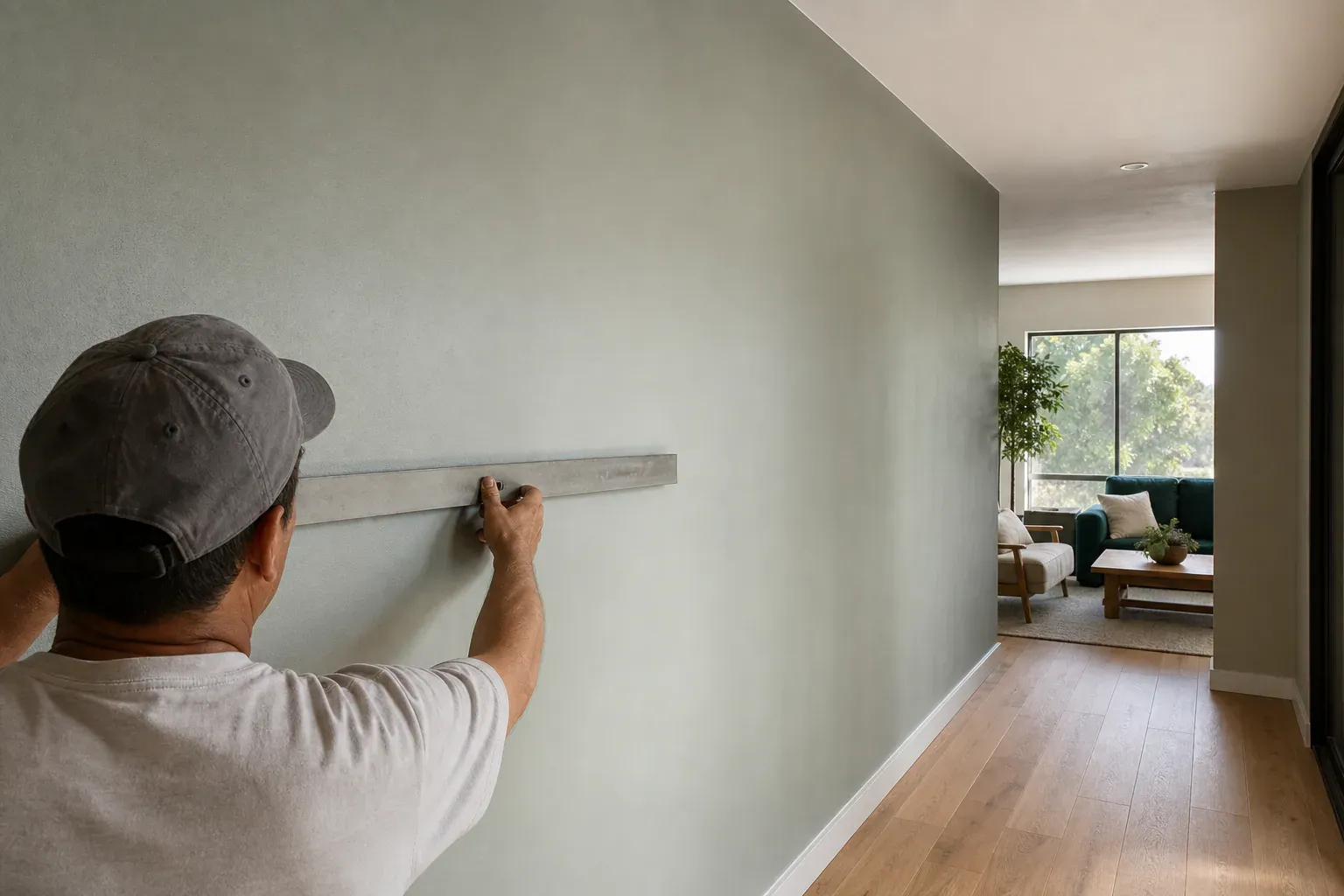
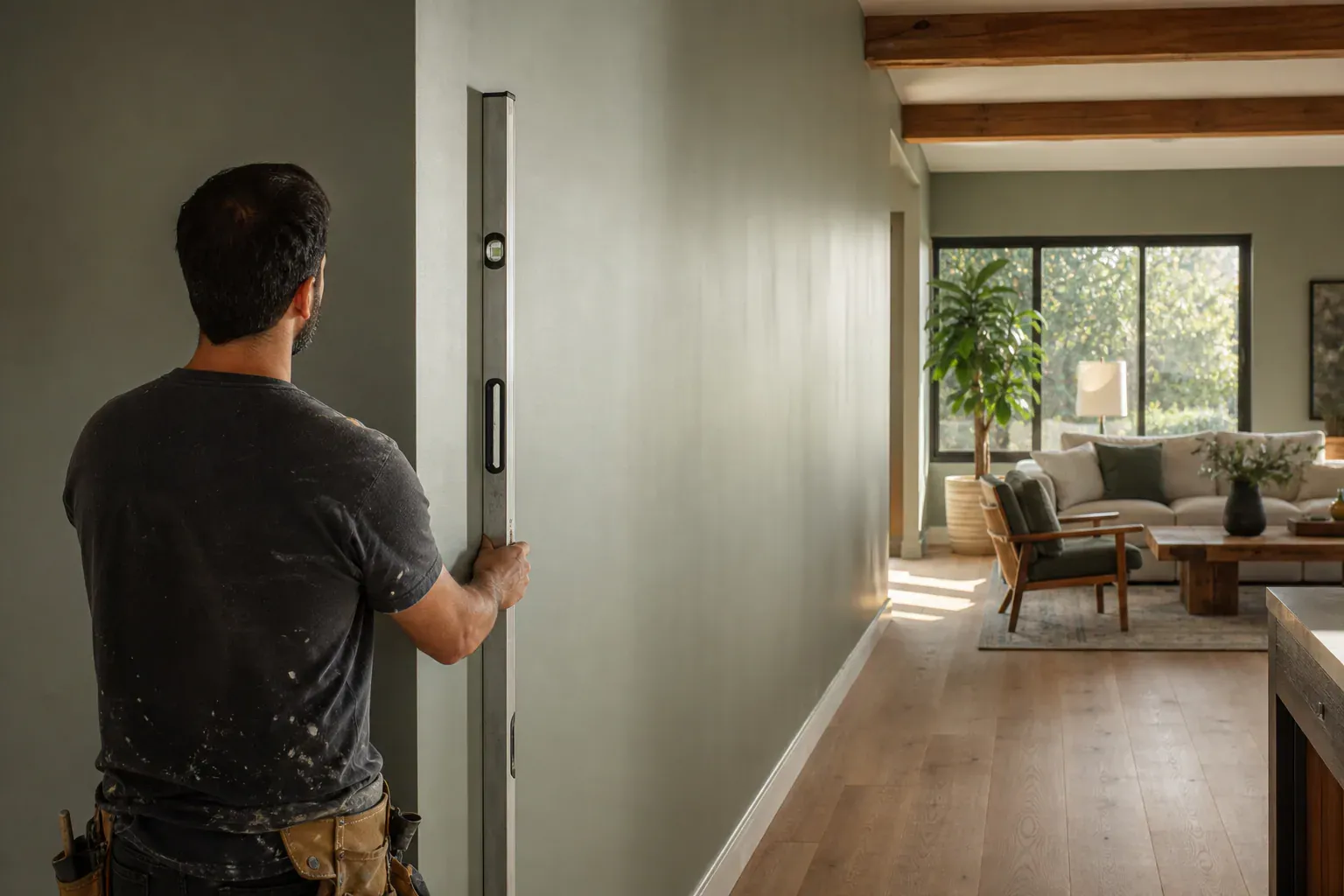
Glendale Quality Drywall, provides drywall texture and texturing services across Glendale, CA, including orange peel texture, knockdown texture, skip trowel, comb patterns, sand swirl finishes, and texture repair and matching after water damage or structural patching work.
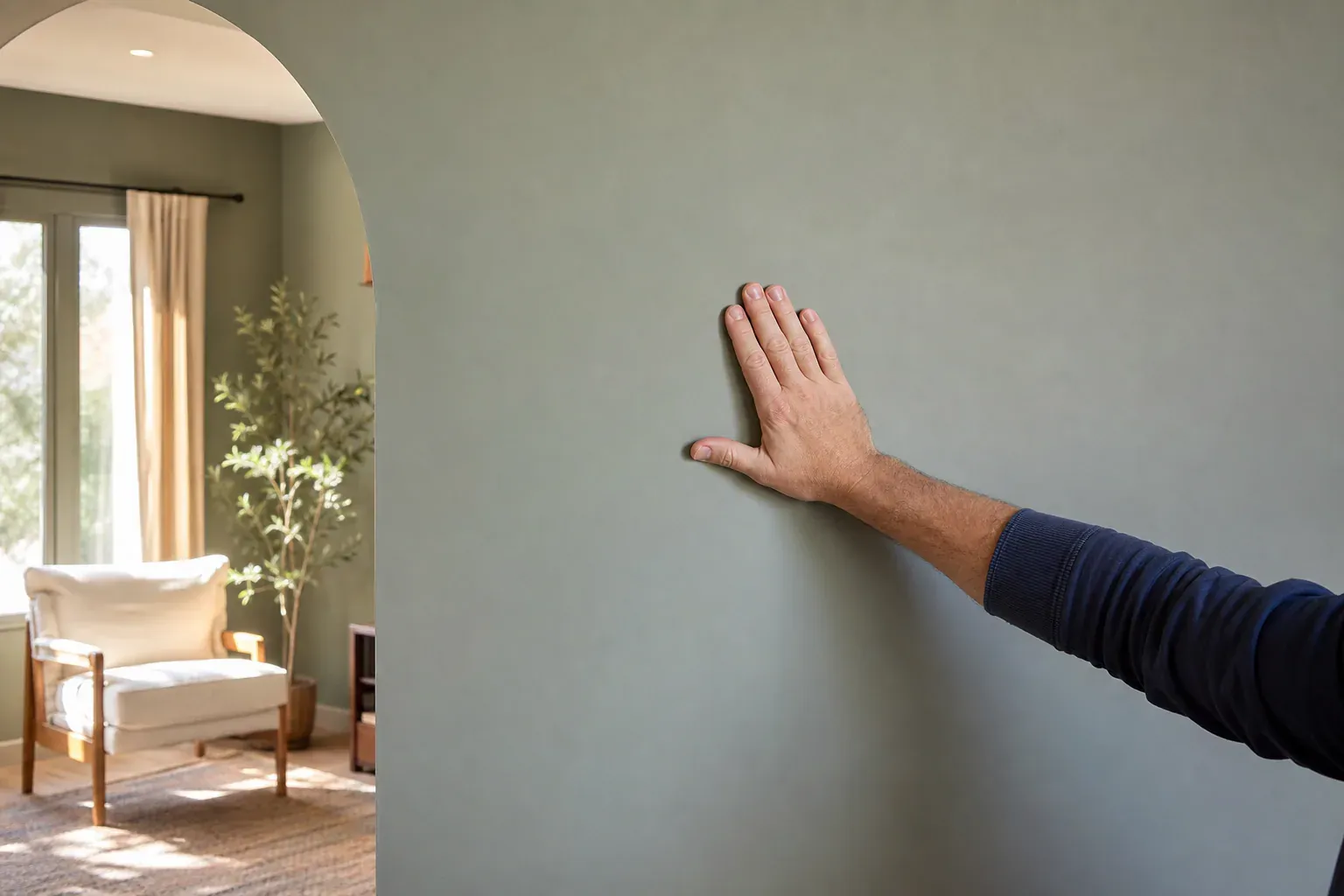
Drywall texture is a spray or hand-applied finish that covers wall or ceiling surfaces with a patterned compound. It hides imperfections in the substrate, covers taping seams that might otherwise show under raking light, and adds visual interest to plain drywall. Some textures are sprayed from a hopper gun in seconds; others are applied by hand with a trowel or stipple brush, requiring more labor but giving finer control over pattern density and placement.
The choice depends on the room's function, existing finishes on adjacent walls, and budget. A hallway or utility space where durability matters suits knockdown texture. A living room where walls take raking light calls for a smooth finish or carefully matched repair texture. A basement or older home with popcorn ceiling texture upstairs needs a plan for either matching the old ceiling or removing it and applying a unified finish throughout.
Orange peel texture is sprayed at a thinned joint compound consistency through a hopper gun and left unflattened, creating a fine, bumpy pattern. The sprayer is held 6–8 inches from the wall and applied in overlapping passes until coverage is even. Once dry, it takes paint without further work.
Knockdown texture begins the same way: sprayed through a hopper gun with the same air pressure and compound thinness. The difference comes 10–15 minutes after application, once the texture starts to set but before it fully hardens. A knockdown sponge—a polyurethane tool with a textured face—is pressed gently against the peaks, flattening them into a soft, flaked appearance. This step requires judgment: press too early and the sponge tears; too late and the compound won't yield.
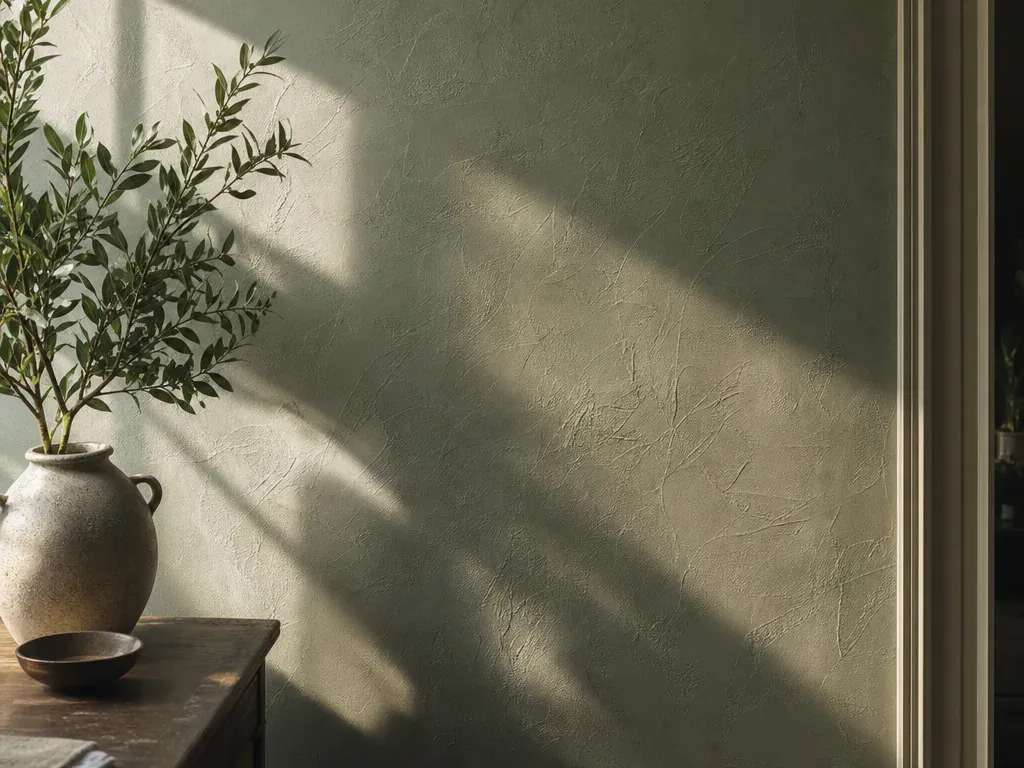
Skip trowel texture is applied by hand with a broad skimming blade, pushed across the wall surface in overlapping strokes while the compound is still wet. The trowel skips across high spots, leaving shallow troughs between passes and creating an organic pattern that catches light differently across the wall. It is slower than spray application but offers better control over pattern density in small areas or around architectural features.
Comb texture is cut into wet compound using a notched comb trowel—a tool with vertical teeth that drag through the mud in arcs, fan patterns, or straight lines. The pattern size depends on the comb tooth size and spacing between passes. Comb texture requires fast work; once the compound sets, the comb won't cut cleanly.
Sand swirl texture uses joint compound mixed with sand aggregate, applied in broad swirl patterns with a stipple brush. The sand particles create a uniform, gritty finish when dry. Sand swirl is durable and easy to touch up because the sand forgives minor variations.
Spray sand texture is applied through a hopper gun like orange peel, but the compound includes fine sand aggregate. The result is a uniform, slightly gritty surface that is more durable than plain spray textures and hides surface defects well. Spray sand does not require a second step like knockdown and dries in 24 hours.
Popcorn ceiling texture, also called acoustic texture, was standard from the 1960s through the 1980s. It is usually easy to remove but carries a serious health concern: ceilings installed before 1980 may contain asbestos in the spray compound. Before any removal work begins, a sample should be sent to a lab for testing. If asbestos is present, professional abatement is the safe and legal path.
Many homeowners choose a knockdown texture to replace popcorn because it is fast, hides minor imperfections, and looks contemporary. Others opt for spray sand texture or orange peel. A smooth level 5 finish is also an option if the budget allows and the substrate is perfect.
No texture looks professional over a poorly prepared substrate. If the wall has holes, cracks, or damaged seams, those must be repaired first. The process begins with cutting the damaged section back to the nearest stud, removing any loose paper or compound. A backing board is installed if the hole is large, screwed to the studs on either side. Then a new piece of drywall is cut and screwed in place.
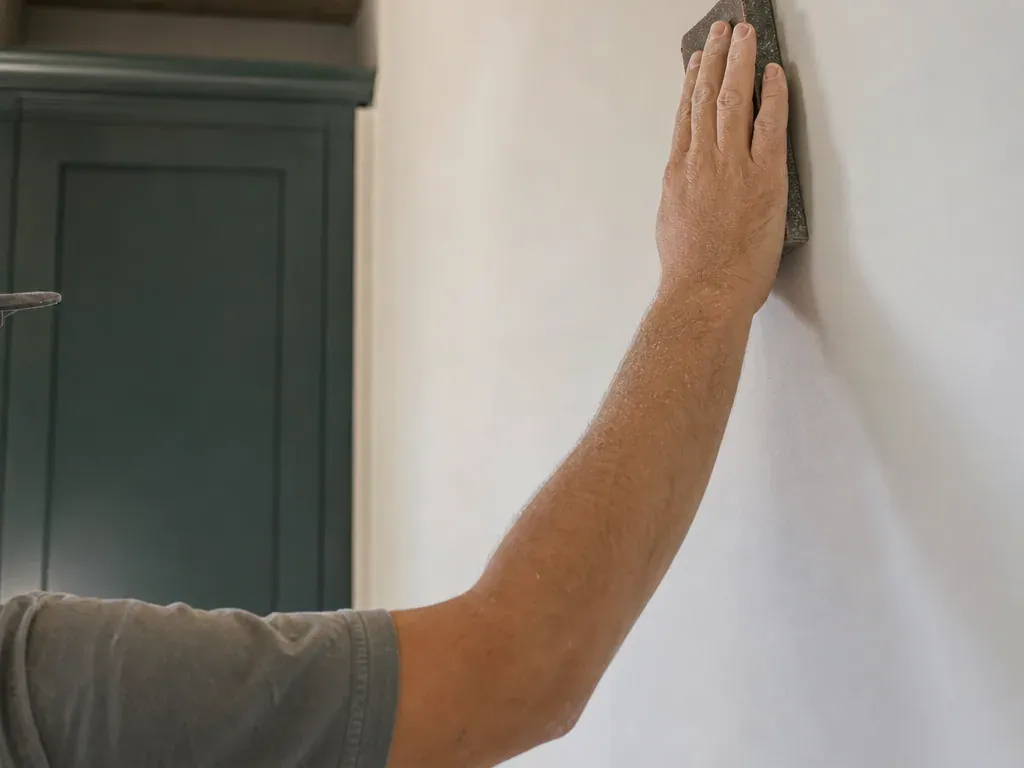
Once the patch is flush, the seams are taped. Mesh tape or drywall tape is laid over the seam, and joint compound—also called drywall mud—is applied in the first coat, feathered 6–8 inches past the seam on either side. After 24 hours, the first coat is sanded smooth with 150-grit sandpaper. A second coat is applied, again feathered wider, then sanded. A third coat seals any shrinkage lines, feathered even further to blend into the surrounding wall.
After a patch, texture matching requires matching the existing texture in density, pattern size, and sheen. Before spraying the whole wall, a test spray on a scrap of drywall helps dial in the air pressure, nozzle size, and compound thinness to match the original. Once the texture is sprayed over the patched area, it is feathered 4–6 inches beyond the patch edge onto the existing textured surface, so the transition is gradual rather than a sharp line. A polyurethane sponge is then used to soften any harsh transitions between new and old texture, pressed lightly to knock down high spots without erasing the pattern. Finally, the entire wall is primed before painting so the texture absorbs uniformly and the repair does not flash.
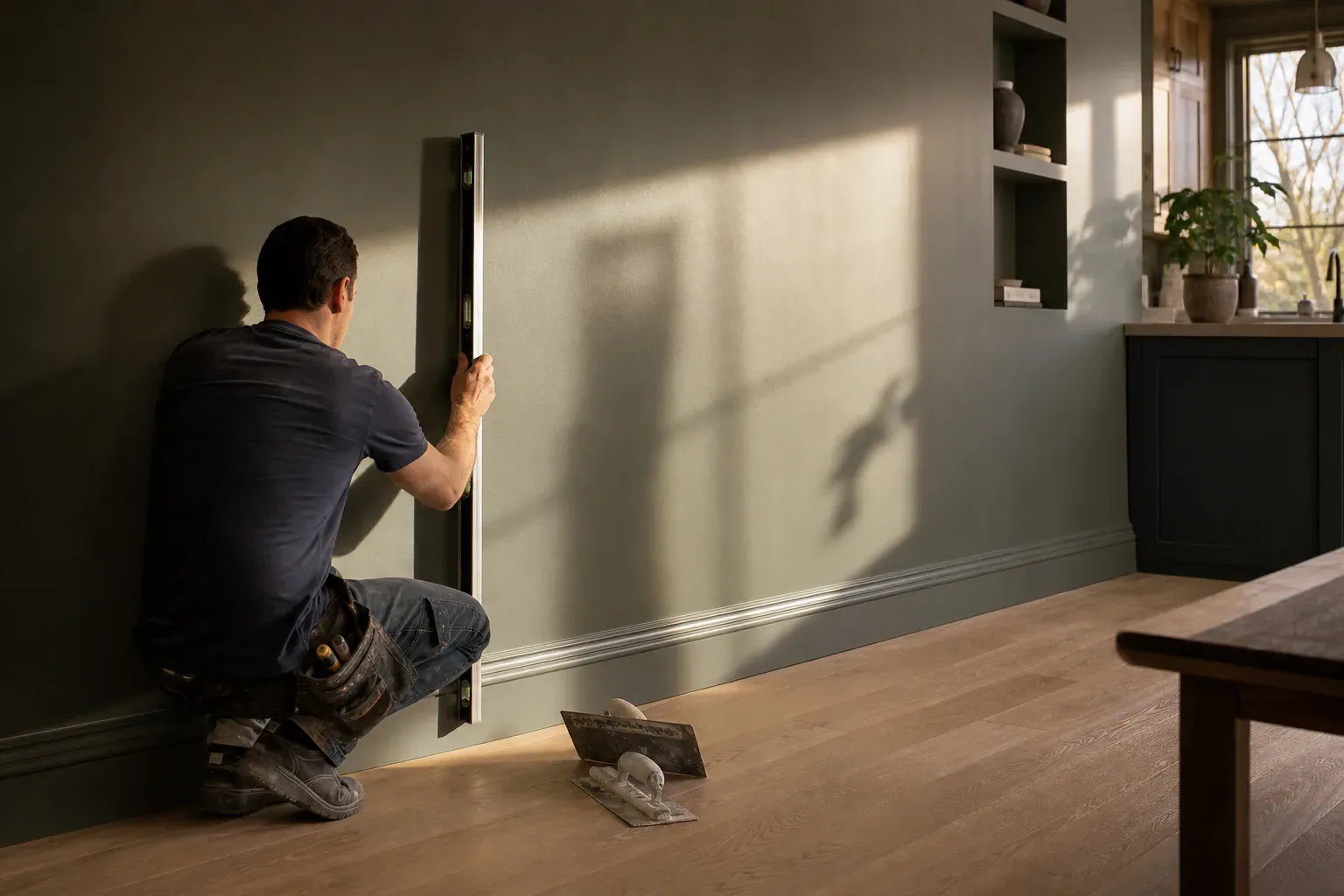
If a wall or ceiling has taken water damage from a roof leak, burst pipe, or flooding, the damaged drywall must be cut out and replaced before any texture or finish is applied. New drywall is installed, taped, and mudded. The wall is then primed and painted. Texture can be applied once the underlying structure is sound and dry.
In bathrooms or kitchens where humidity is high, water-based texture products are safer than oil-based texture, as they allow the wall to breathe and dry. Oil-based texture can trap moisture and lead to mold growth.
Drywall hanging must be done correctly so the substrate is flat. Studs are spaced evenly, panels are fastened tight, and fasteners are sunk so the head sits just below the paper face without tearing it. A dimpled fastener head can telegraph through even heavy textures like knockdown or skip trowel. We check for humps and hollows with a straightedge and fill low spots with joint compound before texturing. This prevents the texture from following the contours of a wavy wall, which would make defects more visible, not less.
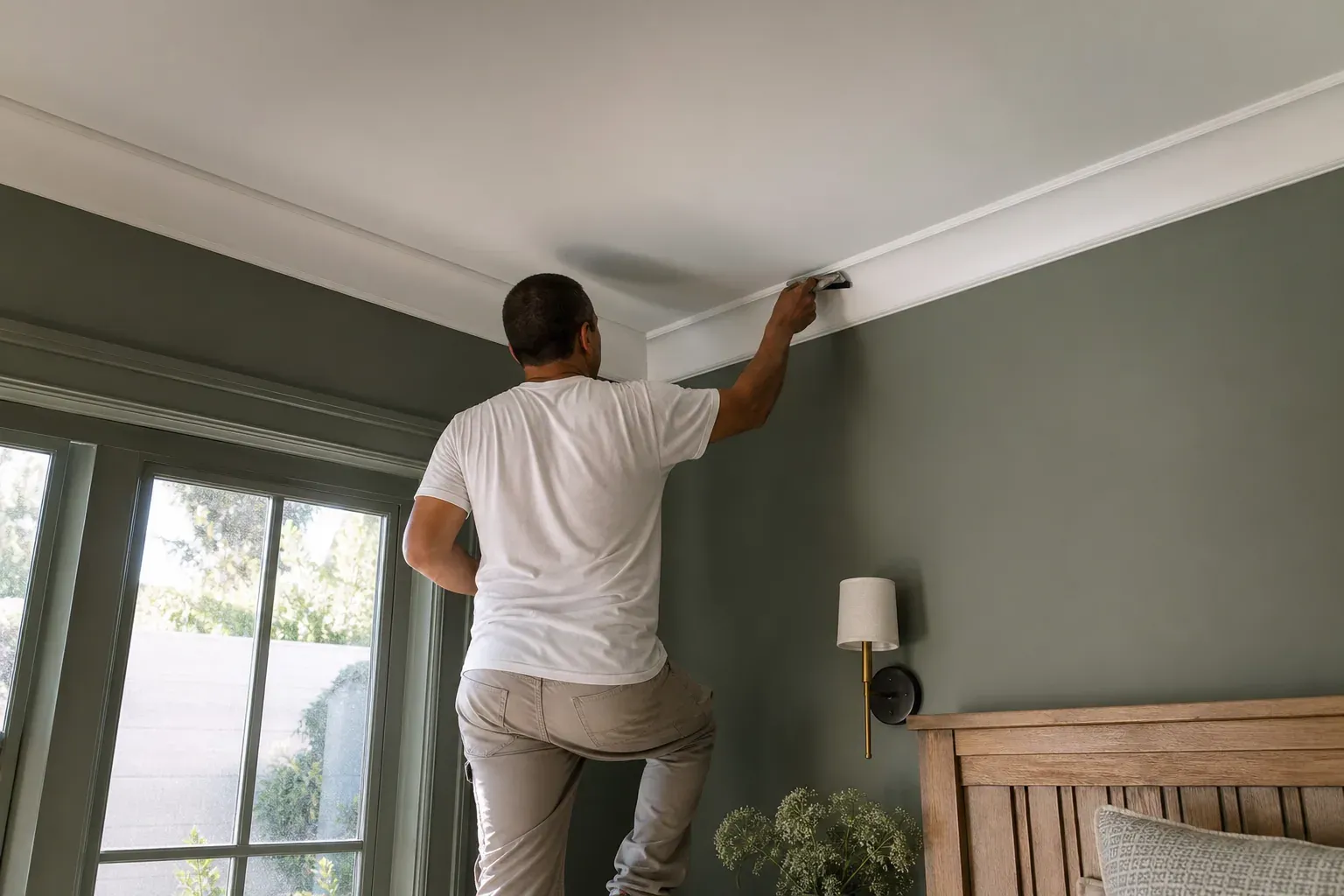
A level 5 finish is the smoothest possible drywall finish, suitable for high-gloss paint, film or photography studios, or luxury interiors where any surface imperfection would show. It requires a thin skim coat of diluted joint compound applied over the entire wall surface after standard taping and mudding, then sanded smooth with fine-grit sandpaper. No texture pattern is visible; the finish is perfectly flat. Level 5 finishing is labor-intensive and costly, often doubling the labor time compared to a sprayed texture finish.
Water damage restoration in Glendale often means dealing with ceiling or wall panels that have absorbed moisture from roof leaks, plumbing runs, or HVAC condensation. Wet drywall loses its strength and becomes soft—joint compound won't stick properly to it, and texture won't adhere or cure. We cut out the damaged section and install new drywall panels, taping and mudding the seams flat before any texture goes down. Texture hiding wall defects works only on a clean, dry, properly prepared surface; if the substrate is compromised, the finish will fail or look worse than the original damage.
Drywall texture is a spray or hand-applied finish that covers wall or ceiling surfaces with a patterned compound.
Orange peel texture is sprayed at a thinned joint compound consistency through a hopper gun and left unflattened, creating a fine, bumpy pattern.
Skip trowel texture is applied by hand with a broad skimming blade, pushed across the wall surface in overlapping strokes while the compound is still wet.
Spray sand texture is applied through a hopper gun like orange peel, but the compound includes fine sand aggregate.
Popcorn ceiling texture, also called acoustic texture, was standard from the 1960s through the 1980s.
No texture looks professional over a poorly prepared substrate. If the wall has holes, cracks, or damaged seams, those must be repaired first.
Why homeowners call us
Every drywall job is scoped and priced in writing, so the number you approve is the number you pay. If something behind the wall changes the work, we stop and price it first.
You speak to the people doing the work, not a call centre, and cover certificates go to your building manager or general contractor on request.
Containment, floor protection and same-day debris removal on every interior job — the space stays usable while the work is going on.
Crews work Glendale and the surrounding cities every week, so a walkthrough is usually available within the same week you call.
FAQ
Orange peel is sprayed and left unflattened, creating a fine bumpy surface. Knockdown is sprayed identically but then a polyurethane sponge is pressed against the peaks 10–15 minutes later, flattening them into soft flakes. Orange peel is faster and more uniform; knockdown hides surface imperfections better because the flattened peaks create subtle shadow lines that break up the wall plane.
Yes. A scrap-board test with your hopper gun and compound allows you to dial in air pressure, nozzle size, and spray distance to match the original pattern and density. Feather the new texture 4–6 inches beyond the patch edge, use a polyurethane sponge to soften transitions, and prime the entire wall before painting so sheen does not flash over the repair.
Only if it is asbestos-free. Ceilings installed before 1980 should be lab-tested before removal. If asbestos is present, hire a licensed abatement contractor. If the test is clear, you can wet the ceiling lightly and scrape it yourself, but professional removal is faster and cleaner.
Level 5 is a perfectly smooth finish—a thin skim coat of joint compound applied over the entire wall after taping, then sanded smooth. It is needed only for high-gloss finishes, film studios, or luxury interiors where raking light would expose any imperfection. It is expensive and labor-intensive compared to textured finishes.
Simple orange peel or knockdown can be DIY with proper equipment and practice, but mistakes are common: spraying too close causes blobs, inconsistent air pressure creates patchy density, and skipping primer leads to sheen flashing. Spray sand texture, comb, and skip trowel are slower hand work. Texture matching after repairs is especially difficult and usually requires a pro.
For spray texture: a hopper gun or texture sprayer, air compressor, nozzle tips (typically 3/8 inch), joint compound thinned to spray consistency, and drop cloths. For knockdown: add a polyurethane sponge. For hand-applied: a trowel or skimming blade, comb trowel, stipple brush, drywall compound, and a sanding sponge. All methods require primer and paint.
Call (213) 555-0110 for a walkthrough, usually within the same week.