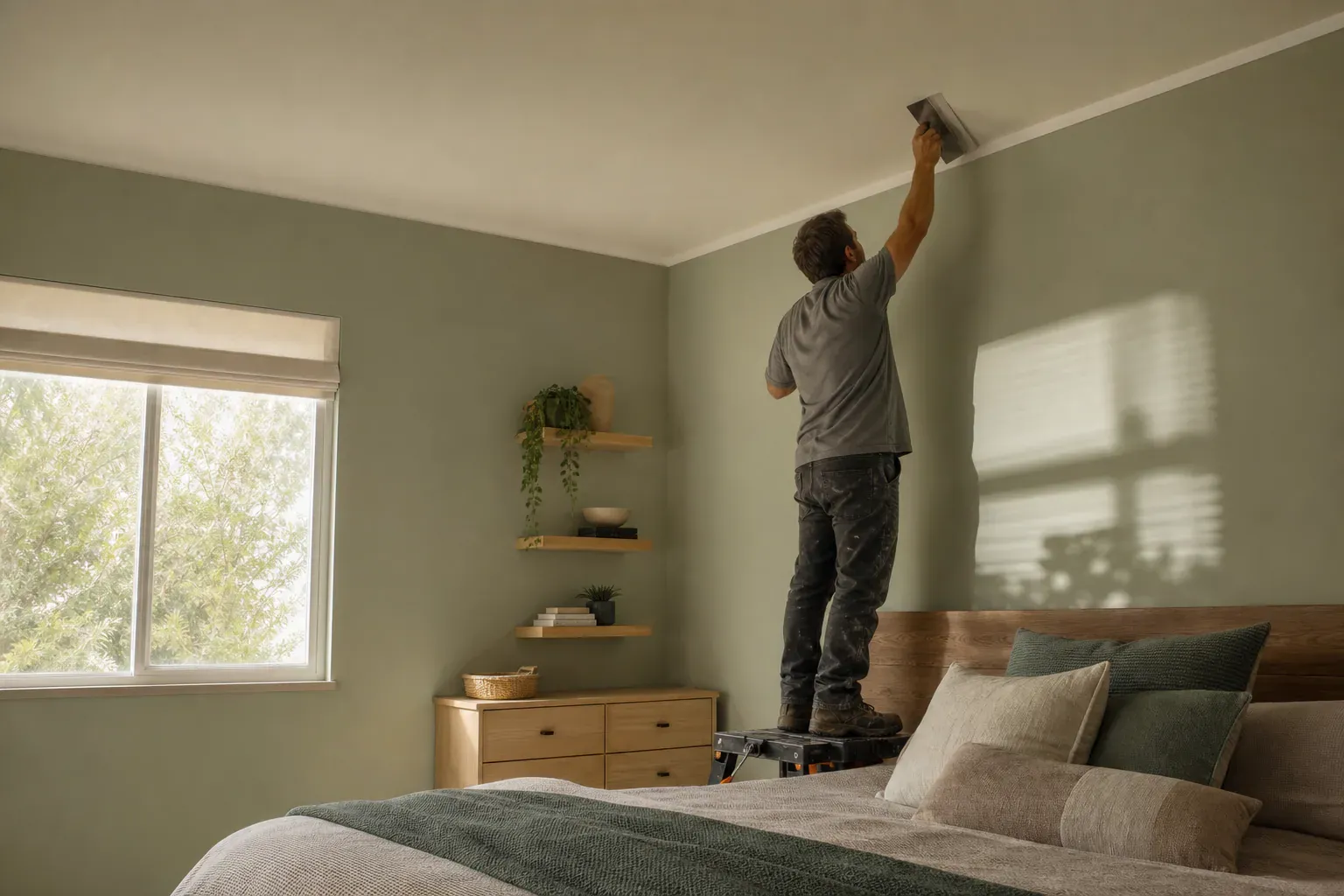
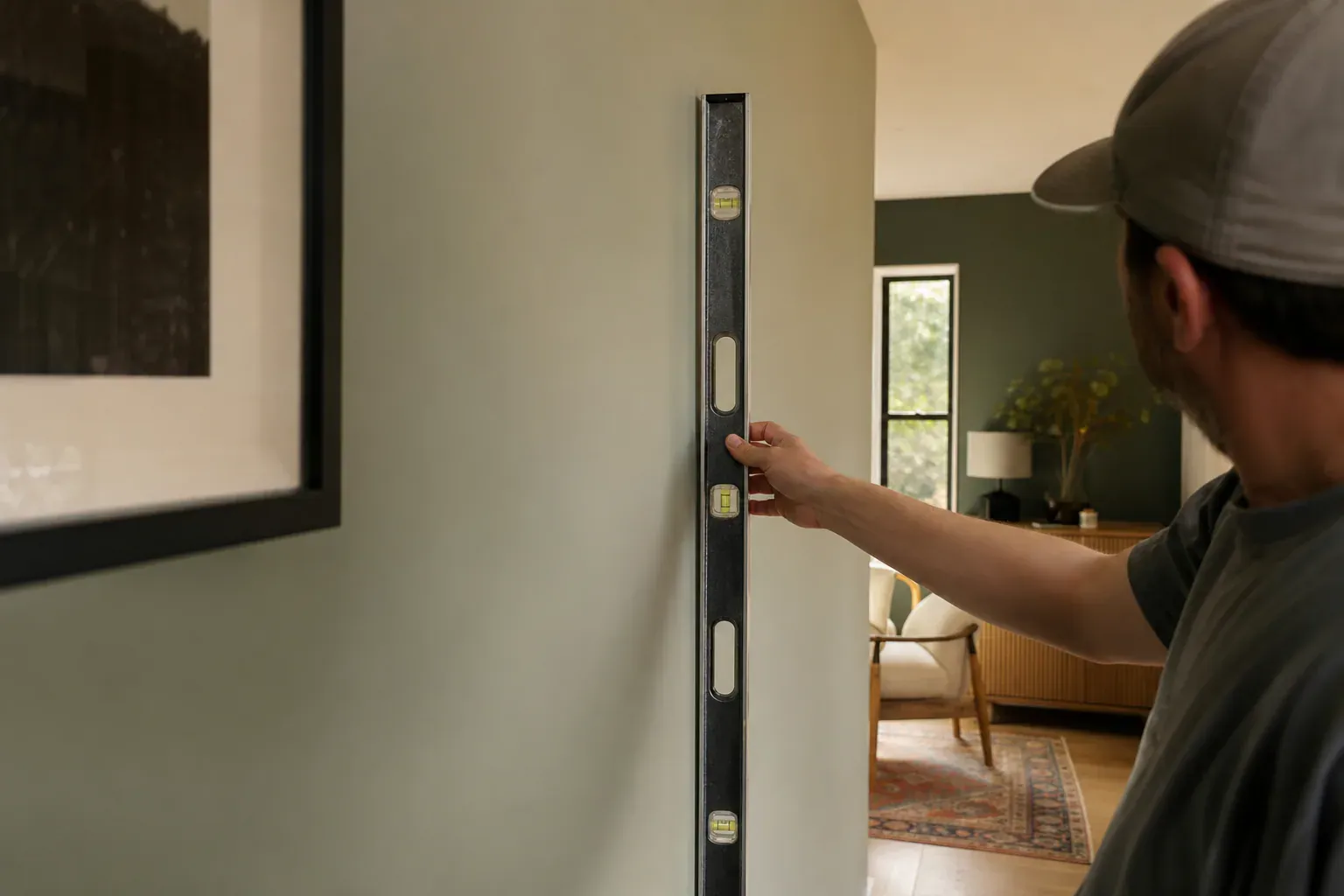
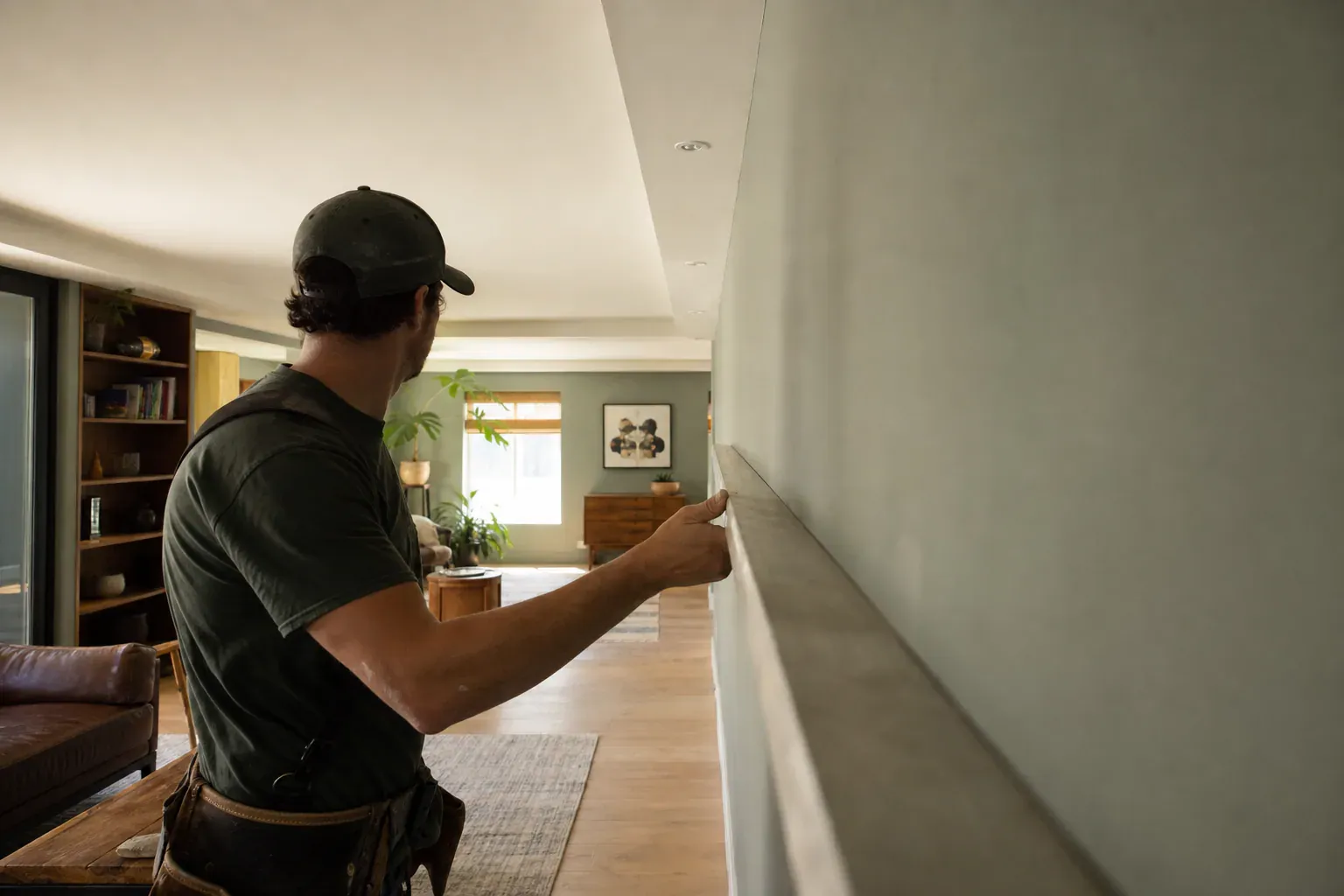
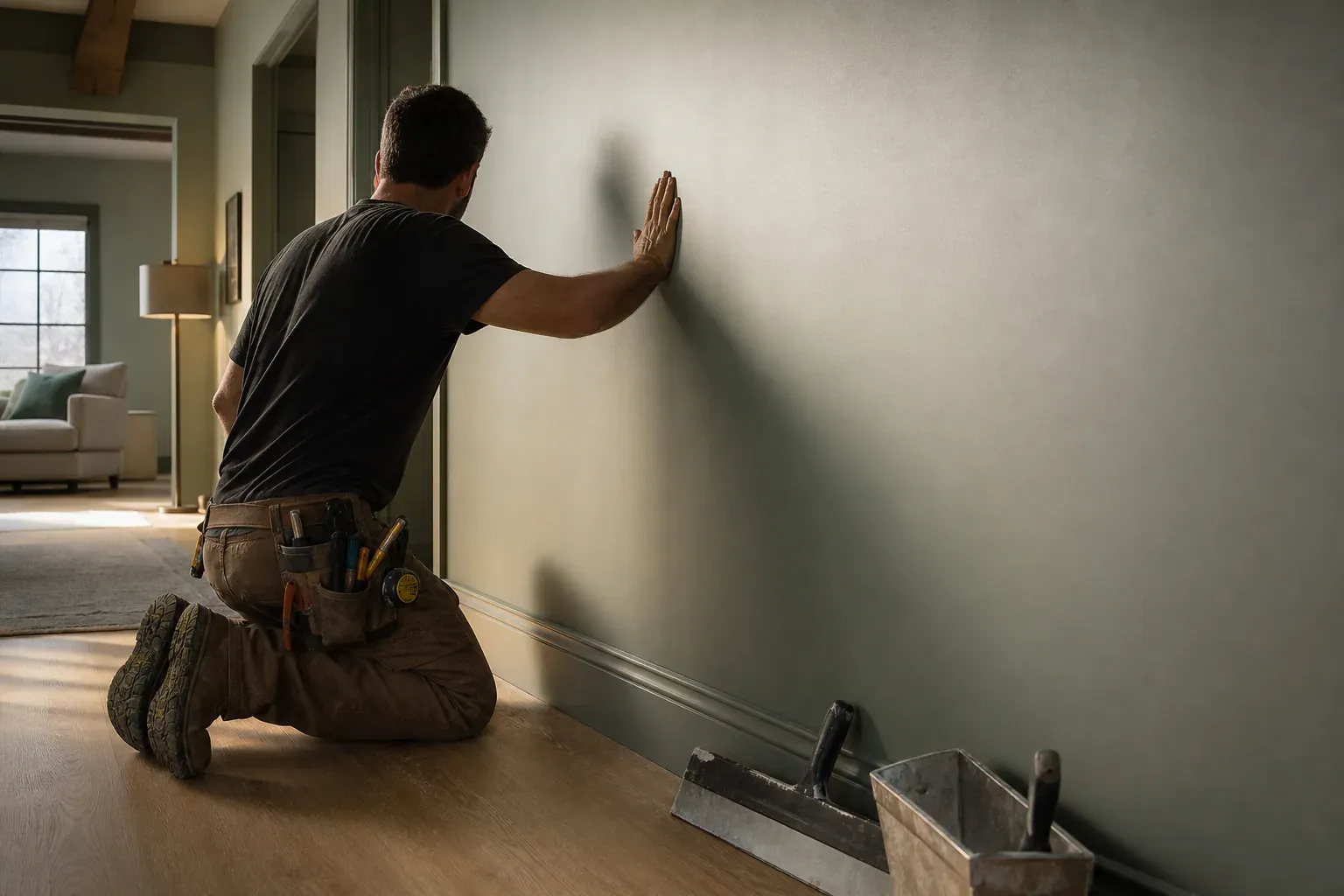
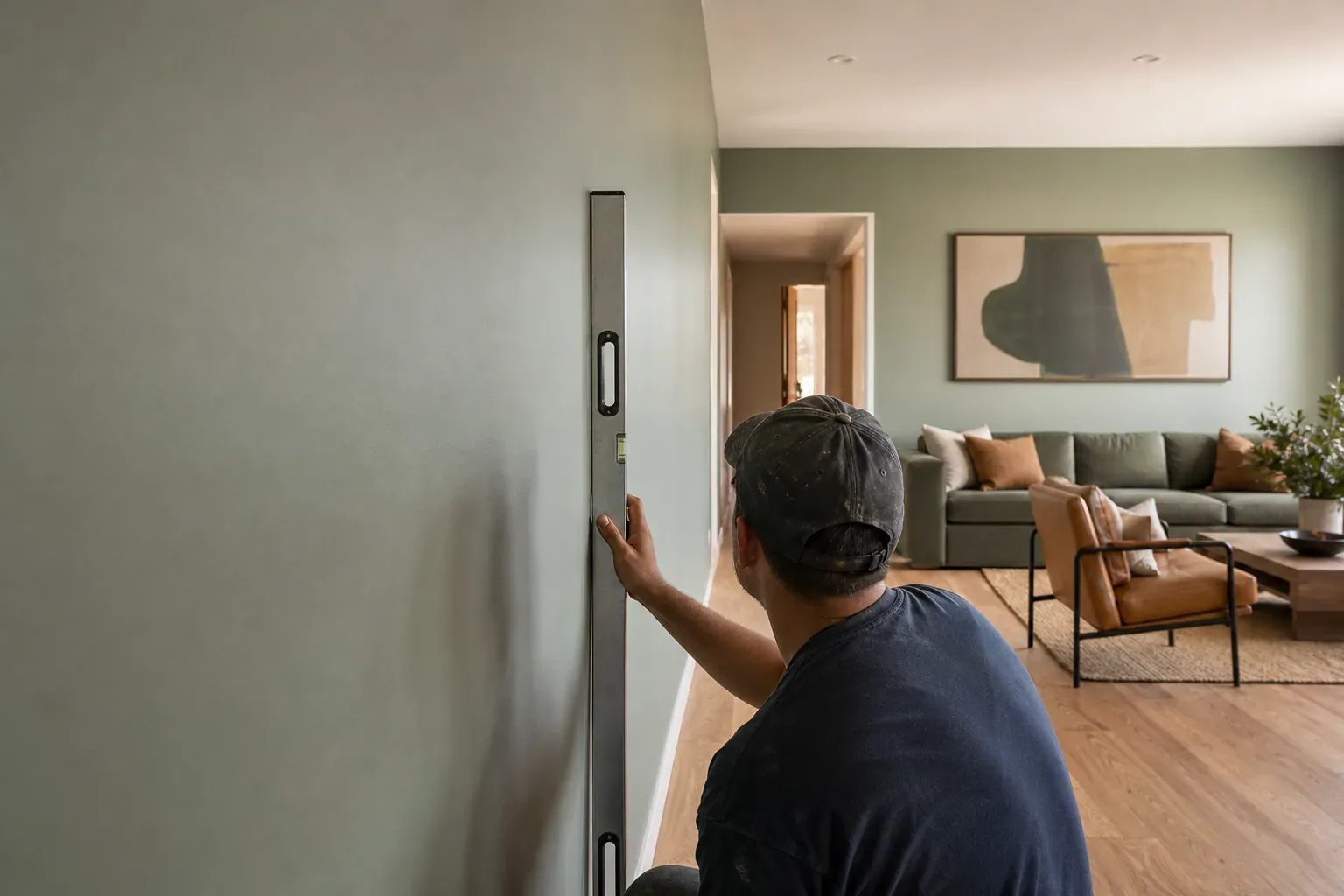
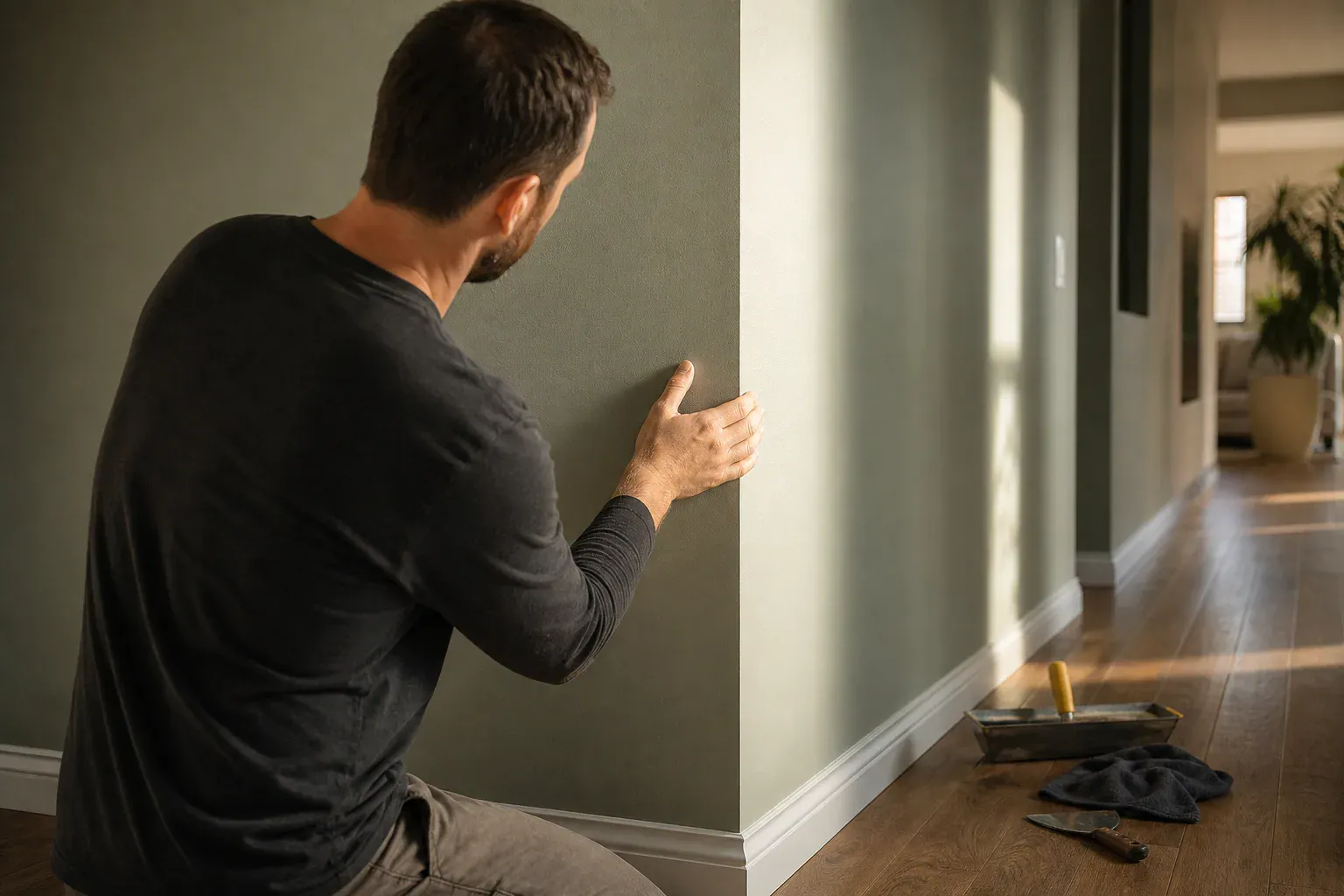
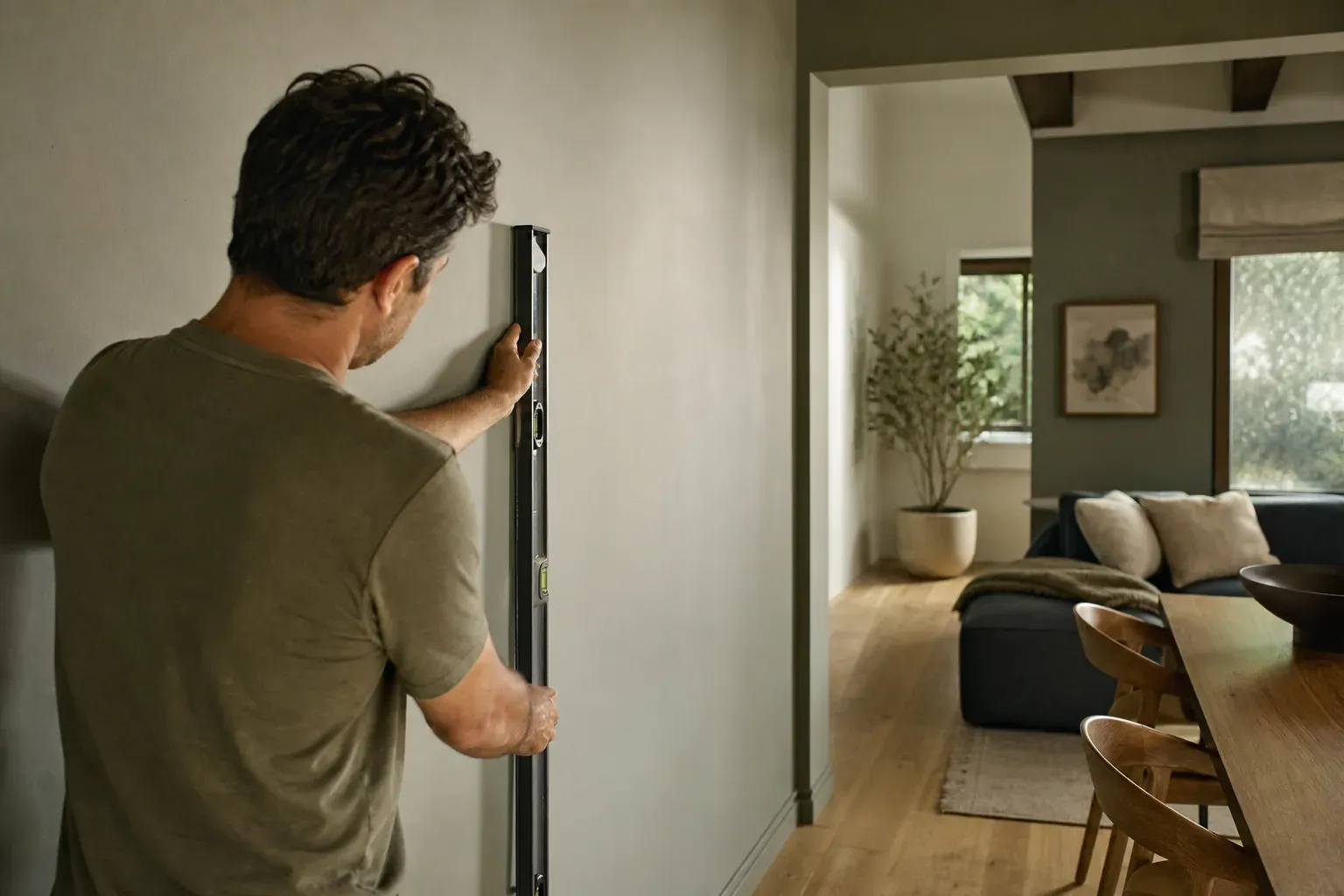
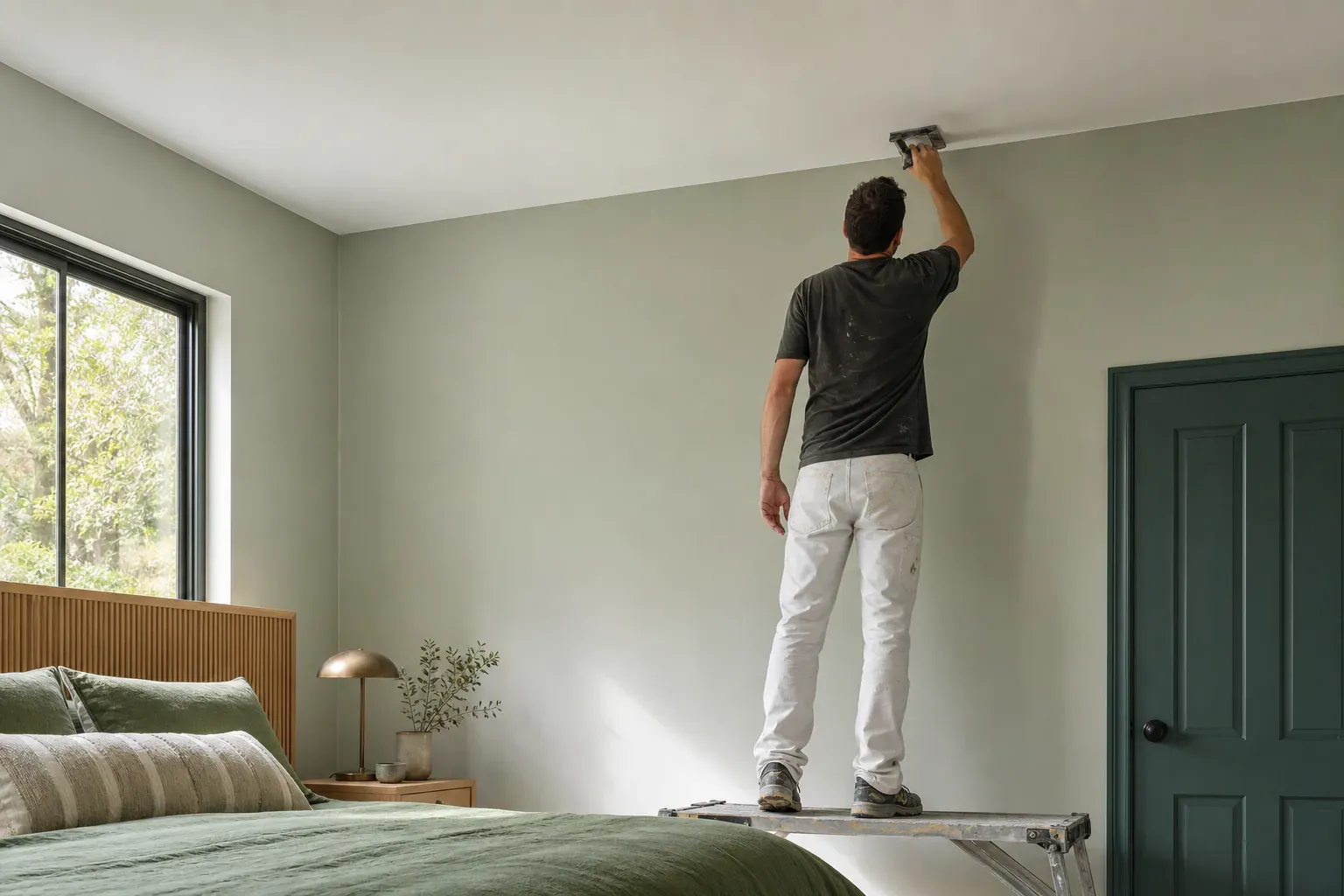
Soundproof drywall installation — a two-person crew working a tall wall from a low platform in a vaulted room

Glendale Quality Drywall Soundproof Installation

  • A written price before work starts
  • Insured crews, direct answers
  • The site is left clean
  • Local to Glendale

Glendale Quality Drywall handles soundproof drywall installation, double-layer drywall assemblies, and standard drywall hanging and repair for houses and apartment units across Glendale, CA. Our crews also handle resilient channel installation, acoustic sealant work, and multi-layer drywall assemblies for home offices, media rooms, and shared-wall units. If you’re comparing bids or trying to figure out what actually works, this page covers the materials, the process, and the trade-offs.

Why Soundproof Drywall Matters in Glendale Homes

A lot of Glendale housing stock sits close to arterial traffic — flats near the commercial corridors get constant road noise, and the older hillside blocks often have thin interior partitions built decades before anyone cared about acoustic separation. Add in duplexes, converted garages, and multi-unit buildings where bedrooms share a wall with a neighbor’s living room, and you get households losing sleep or losing focus to sound that has no business traveling that far.

We get calls from people who work from home and can hear every phone call from the next room, and from parents trying to get a nursery quiet enough for a nap schedule. The fix isn’t complicated, but it requires more than hanging a thicker sheet of gypsum board and hoping.

Room-Specific Soundproofing Strategies for Glendale Properties

Not every room needs the same wall soundproofing methods. Treating soundproofing as one-size-fits-all wastes money in some rooms and underdelivers in others.

  • Bedrooms: prioritize sound blocking over impact noise unless it’s a ground-floor unit under another bedroom — double-layer drywall plus resilient channels on the shared wall usually solves sleep-disrupting noise.
  • Home offices: focus on blocking mid-range voice frequencies from calls; acoustic sealant at every penetration and outlet matters as much as the wall assembly itself.
  • Basements and media rooms: this is where a soundproof ceiling installation earns its cost — resilient channels overhead plus insulation in the joist bays cuts both airborne sound and footfall from above.
  • Exterior-facing walls on busy streets: mass and sealing beat decoupling here — thicker gypsum board and continuous acoustic sealant at the perimeter do more against steady traffic noise than resilient channels alone.

Complete Soundproofing: Walls, Doors, and Windows Together

Drywall work solves the wall. It does nothing for the gaps around a hollow-core door or a single-pane window, and those gaps are often where most of the sound actually gets through. A wall built for high sound blocking with an undercut door and no weatherstripping still lets in most of a hallway conversation.

We tell clients up front that soundproof wall construction methods need a matching plan for openings, or the wall’s performance stays mostly theoretical. That doesn’t always mean new windows — sometimes it’s sealing, sometimes it’s a door swap, sometimes both.

Soundproofing Doors and Windows Without Full Demolition

Renters and owners who can’t tear into walls still have real options. Door sweeps, compression weatherstripping around the frame, and a solid-core door swap in place of a hollow-core slab cut a surprising amount of leakage without touching drywall at all. Acoustic sealant around the door frame and threshold gaps helps too, since even a small continuous gap can undo a lot of wall work.

For windows, laminated glass inserts, interior storm panels, or heavy soundproofing window treatments like layered acoustic curtains reduce transmission without replacing the sash. These are retrofit-friendly and reversible, which matters for tenants who can’t make permanent changes to a unit.

Professional Installation vs. DIY: Cost and Quality Trade-offs

DIY soundproofing is possible for a single room, but the acoustic gain depends on details that are easy to get wrong and hard to fix after the fact. Buying the right acoustic drywall panels or green glue compound doesn’t help if the taping, sealing, and channel spacing are off — you end up paying for a premium system and getting the performance of a budget one.

Professional installation costs more upfront but includes correct resilient channel layout, full-coverage sealant work, and finishing that doesn’t leave sound leaks at the edges. We stand behind the work and use the same crew from start to finish, which matters for consistency across coats and layers.

Common Installation Mistakes That Kill Soundproofing

  • Air gaps at the wall-to-ceiling joint or around outlet boxes left unsealed
  • Resilient channels spaced too wide, or fasteners driven through into the stud
  • Mixing incompatible products — some acoustic sealants don’t bond well with certain panel coatings
  • Compressed insulation batts that lose density and acoustic value
  • Skipping a second coat of green glue compound to save time or material

Project Timeline and What to Expect During Installation

A single-room double-layer drywall retrofit typically runs several days once framing and insulation are ready — one day for hanging and channels, one for the first drywall layer and compound, one for the second layer, and two to three more for taping, joint compound coats, sanding, and texture matching. Expect dust despite containment, some noise during demo and hanging, and the room being unusable for furniture during finishing. A full-house project is easier scheduled room by room than all at once.

Soundproofing Cost Breakdown and Material Selection

A drywall soundproofing cost comparison usually comes down to layers and materials rather than labor rates alone. Single-layer standard drywall with insulation added behind it is the cheapest option and gives a modest improvement. Double-layer drywall installation with resilient channels and green glue compound costs more but delivers a real, noticeable jump in sound blocking. Premium acoustic drywall panels like quiet rock, or assemblies using mass-loaded vinyl, push costs higher still, mostly due to material price per sheet, but reduce labor time since some damping is built into the panel itself.

Acoustic insulation cost varies less than people expect — fiberglass batts are affordable regardless of brand, while spray foam and mass-loaded vinyl add cost per square foot. The bigger cost driver is usually access: opening finished walls, rerouting outlets, and matching existing texture after the work is done.

Budget Soundproofing vs. Premium Systems

Budget soundproofing solutions focus on the cheapest changes with the best return — fiberglass insulation in an open cavity, acoustic sealant at gaps, and a solid-core door swap. Premium systems layer resilient channels, double-layer gypsum board, and green glue compound for a full upgrade in sound isolation, best suited to bedrooms, home theaters, or shared walls with a noisy neighbor. Most homeowners land somewhere between the two, prioritizing the one wall or ceiling causing the actual problem.

Soundproof Drywall vs. Standard Drywall: What Actually Works

Regular drywall vs soundproof drywall is really a question of mass, damping, and decoupling — not just thickness. A single layer of 5/8 inch drywall blocks some sound because it’s heavier than 1/2 inch, but on its own it still passes a surprising amount of mid and low frequency noise, especially bass, footsteps, and voices through a shared wall or ceiling.

Acoustic drywall panels — sold under names like quiet rock — build a sound-dampening drywall core out of layered gypsum with a viscoelastic polymer sandwiched inside. That layering is what kills vibration instead of just adding weight. Standard drywall alone is rarely enough for meaningful noise reduction between rooms; it needs to be paired with resilient channels, insulation, and proper sealing to hit a noticeable difference.

Sound Transmission Class Ratings Explained

Sound Transmission Class (STC) rates how much airborne sound a wall or ceiling assembly blocks — loud speech, music, TV dialogue. A standard interior wall with single-layer 1/2 inch drywall on both sides runs around STC 33, which means normal conversation carries through clearly. Getting to STC 50 or higher — where speech becomes unintelligible and most everyday noise fades to a murmur — usually requires double-layer drywall, resilient channels, and insulation working together.

Impact Insulation Class (IIC) is the companion number for footsteps and impact noise through floors and ceilings, which matters a lot in multi-story units. A low IIC rating means your upstairs neighbor’s footsteps come through like they’re in the room with you. Ceiling assemblies need both numbers addressed, not just STC.

Material Choices That Drive Soundproofing Performance

Material selection isn’t a place to cut corners if the goal is actual noise reduction. High-density gypsum board, acoustic drywall panels with a built-in polymer sound barrier, and proper insulation behind the wall all contribute differently — mass blocks sound, damping absorbs vibration, and decoupling stops the wall from acting like a drum membrane.

There are really only three soundproof wall construction methods worth spec’ing: adding mass, decoupling the assembly from the framing, and damping vibration between layers with a compound like green glue. Everything we install falls into one of those categories or a combination of them, and we pick the mix based on what the room actually needs to block — traffic noise through an exterior wall calls for different mass and sealing than a shared wall between two bedrooms.

Resilient Channels and Viscoelastic Compounds

Resilient channels are thin metal strips installed horizontally across the studs before the drywall goes up. They decouple the drywall from the framing so vibration in the studs and joists doesn’t transfer straight through and radiate as sound on the other side. Installed wrong — spaced too far apart, or with a screw driven through into the stud instead of just the channel — they stop working entirely, one of the most common failure points we see in DIY jobs.

Green glue soundproofing compound is a viscoelastic damping layer applied between two layers of drywall in a double layer drywall installation. It converts sound energy into a tiny amount of heat as the layers move against each other, cutting transmission noticeably better than mass alone. It needs full, even coverage and has to cure — rushing the install or skipping edges reduces what it can do.

Insulation Choices: Fiberglass vs. Foam for Sound Dampening

Fiberglass insulation is the standard soundproof insulation material for interior partitions — inexpensive, fills stud cavities well, and absorbs mid-to-high frequency sound effectively. Closed-cell spray foam adds some air-sealing and thermal benefit, but it’s denser and more rigid, so it doesn’t dampen sound as well as batt fiberglass unless it’s an open-cell acoustic-rated product.

For most interior wall soundproofing projects in Glendale we default to unfaced fiberglass batts sized to fill the cavity without compressing — compressed insulation loses a lot of its acoustic value. Mass-loaded vinyl is another option, often added as a barrier layer behind the drywall for extra mass in tight assemblies where a full double-layer buildup isn’t practical.

Soundproof Drywall Installation Process and Finishing

The order matters. Framing and any resilient channels go first, followed by insulation in the cavity, then the first drywall layer fastened to studs or channels, a coat of green glue compound if it’s a double-layer assembly, then the second layer offset from the first layer’s seams to avoid overlapping weak points. Corner bead goes on outside corners before taping begins, and everything gets a base coat, tape, and finish coats of joint compound before texture.

Proper Drywall Tape and Joint Compound Application

Drywall tape installation starts with a base layer of joint compound applied with a taping knife, the tape embedded into it before it sets, then a skim coat over the tape to lock it down. A second and often third coat widens and smooths the joint. Rushing this — thin compound, tape applied dry, or skipping coats — leaves visible seams and thinner spots where mass is reduced.

Sealing Gaps and Ensuring Sound-Tight Joints

Acoustic sealant goes around the drywall perimeter — where it meets the floor, ceiling, and adjoining walls — before trim goes on, since these are the gaps standard construction leaves open. Outlet boxes get foam gaskets or sealant behind the cover plate, and any pipe or duct penetration through the wall gets sealed rather than left with a gap around the sleeve. Skipping this step is one of the most common reasons an otherwise well-built assembly still leaks sound.

Verifying Soundproofing Works: Testing and Troubleshooting

Once the wall is finished and painted, the simplest check is a controlled listening test — have someone play music or talk at a set volume on one side while you listen on the other, comparing to memory of the old wall. Persistent leakage usually traces back to an unsealed gap rather than the drywall itself: check outlet covers, baseboards, and the ceiling line first. A hum or rattle at certain frequencies can mean a resonance issue from an air gap in the cavity or insulation that’s settled and left a void. These are usually fixable without removing the finished wall — resealing accessible gaps often solves most of the remaining noise.

What a soundproof drywall installation job includes

Soundproofing Doors and Windows Without Full Demolition

Renters and owners who can't tear into walls still have real options. Door sweeps, compression weatherstripping around the frame, and a solid-core door swap in place of a hollow-core slab…

Common Installation Mistakes That Kill Soundproofing

Air gaps at the wall-to-ceiling joint or around outlet boxes left unsealed. Resilient channels spaced too wide, or fasteners driven through into the stud.

Project Timeline and What to Expect During Installation

A single-room double-layer drywall retrofit typically runs several days once framing and insulation are ready — one day for hanging and channels, one for the first drywall layer and…

Budget Soundproofing vs. Premium Systems

Budget soundproofing solutions focus on the cheapest changes with the best return — fiberglass insulation in an open cavity, acoustic sealant at gaps, and a solid-core door swap.

Sound Transmission Class Ratings Explained

Sound Transmission Class (STC) rates how much airborne sound a wall or ceiling assembly blocks — loud speech, music, TV dialogue.

Resilient Channels and Viscoelastic Compounds

Resilient channels are thin metal strips installed horizontally across the studs before the drywall goes up.

Why homeowners call us

How Glendale Quality Drywall runs the job

A written price before work starts

Every drywall job is scoped and priced in writing, so the number you approve is the number you pay. If something behind the wall changes the work, we stop and price it first.

Insured crews, direct answers

You speak to the people doing the work, not a call centre, and cover certificates go to your building manager or general contractor on request.

The site is left clean

Containment, floor protection and same-day debris removal on every interior job — the space stays usable while the work is going on.

Local to Glendale

Crews work Glendale and the surrounding cities every week, so a walkthrough is usually available within the same week you call.

FAQ

Soundproof Drywall Installation questions

What is the difference between regular drywall and soundproof drywall?

Regular drywall is a single layer of gypsum board that blocks some sound through mass alone. Soundproof drywall, like quiet rock, layers gypsum with a viscoelastic polymer core that dampens vibration instead of just adding weight. Paired with resilient channels and insulation, it performs significantly better at blocking speech, music, and impact noise than standard drywall on its own.

How much does it cost to install soundproof drywall in my home?

Cost depends on square footage, whether you're adding a single layer with insulation or a full double-layer assembly with resilient channels and green glue compound, and how much finish work is needed to match existing texture. Premium panel products and mass-loaded vinyl push material costs higher. Access — opening finished walls versus new construction — is often the biggest cost variable.

Can I soundproof my walls without removing existing drywall?

Yes, to a point. Adding mass-loaded vinyl or a second drywall layer over the existing wall, sealing gaps with acoustic sealant, and upgrading doors and windows all improve sound isolation without demo. You won't get resilient channels or interior insulation without opening the wall, but these surface-level upgrades still deliver a real, noticeable reduction in most rooms.

What is Sound Transmission Class and what STC rating do I need?

Sound Transmission Class measures how much airborne sound an assembly blocks — higher numbers mean better isolation. Standard walls run around STC 33, where normal speech is clearly audible. For bedrooms or shared walls, aim for STC 50 or higher, where speech becomes unintelligible. Home theaters and music rooms often target higher still.

Is standard drywall enough for soundproofing, or do I need multiple layers?

Standard single-layer drywall alone rarely delivers meaningful noise reduction between rooms. Multi-layer drywall assemblies — two layers with a damping compound between them, combined with resilient channels and insulation — provide a real, measurable improvement in sound blocking. If the goal is genuinely quieter rooms rather than a modest dampening effect, plan on more than one layer.

How long does soundproof drywall installation take and how disruptive is it?

A single-room retrofit with double-layer drywall typically takes several working days: framing and insulation prep, hanging both layers with compound between them, then multiple days of taping, joint compound coats, sanding, and texture matching. Expect dust, some noise, and the room being unusable for furniture until finishing is complete. Whole-house projects are easier scheduled room by room.

Get a written price from Glendale Quality Drywall

Call (213) 555-0110 for a walkthrough, usually within the same week.