Interior Wall Framing and Light Gauge Metal Framing
Interior wall framing typically uses light gauge metal studs or wood studs at 16-inch on-center spacing.
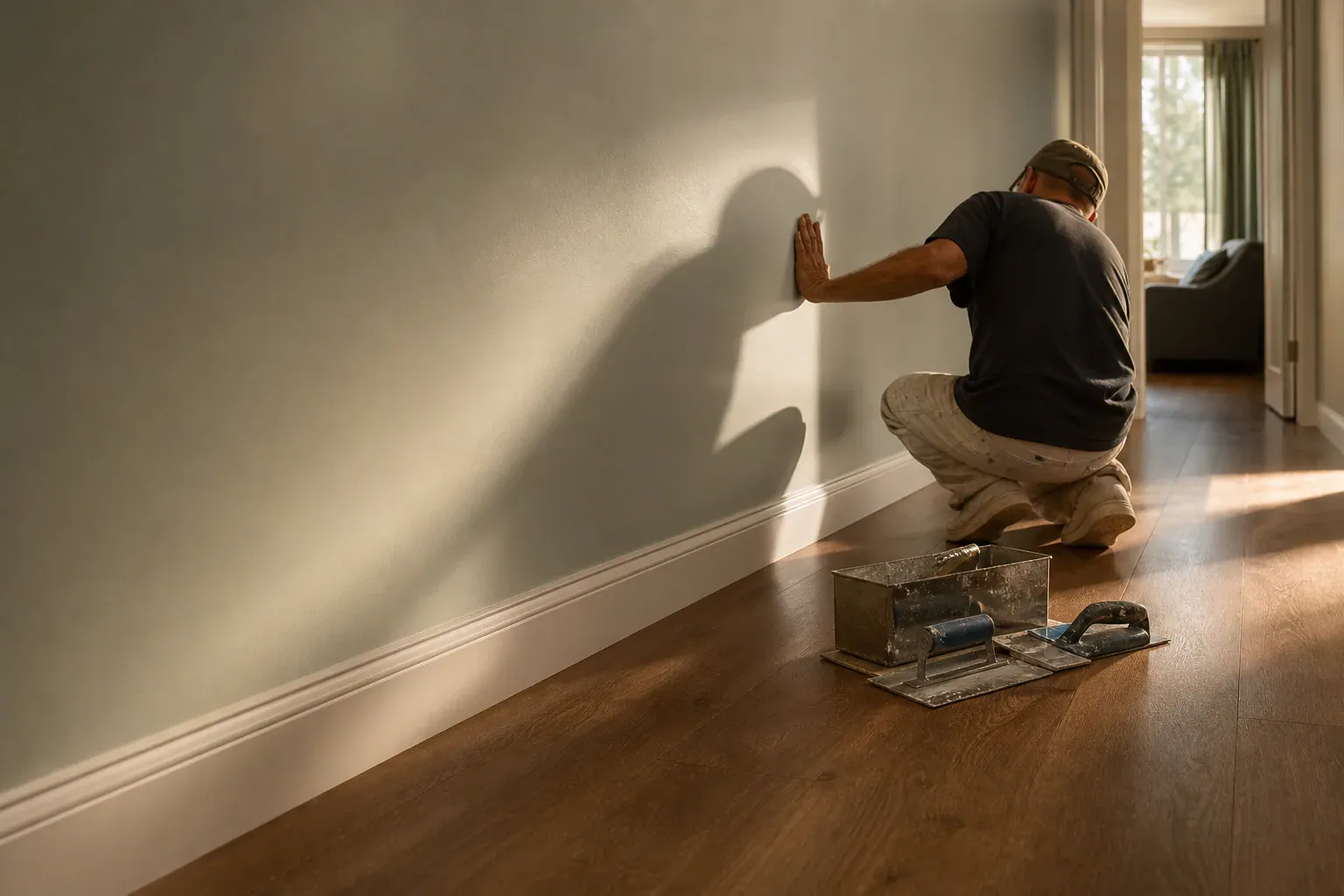
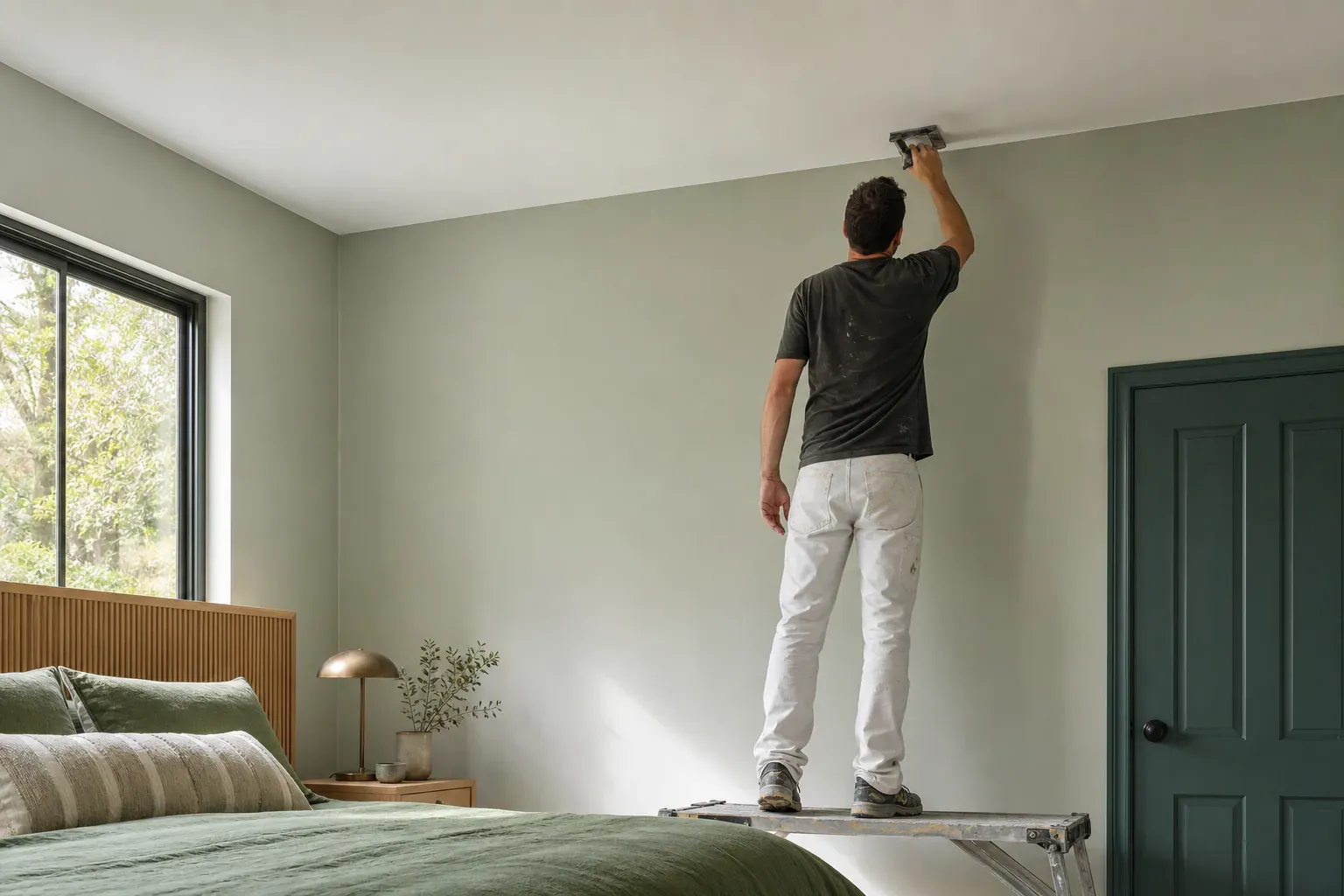
Glendale Quality Drywall installs, tapes, and finishes drywall across South Gate, CA for homeowners, landlords, and builders. We handle drywall installation and hanging, repair and patching work, texture removal, and multi-coat finishing to Level 5 standards. South Gate's older housing stock—much of it built between 1910 and 1940 with original plaster walls and lath construction—often requires careful drywall work alongside plaster transitions and texture matching.
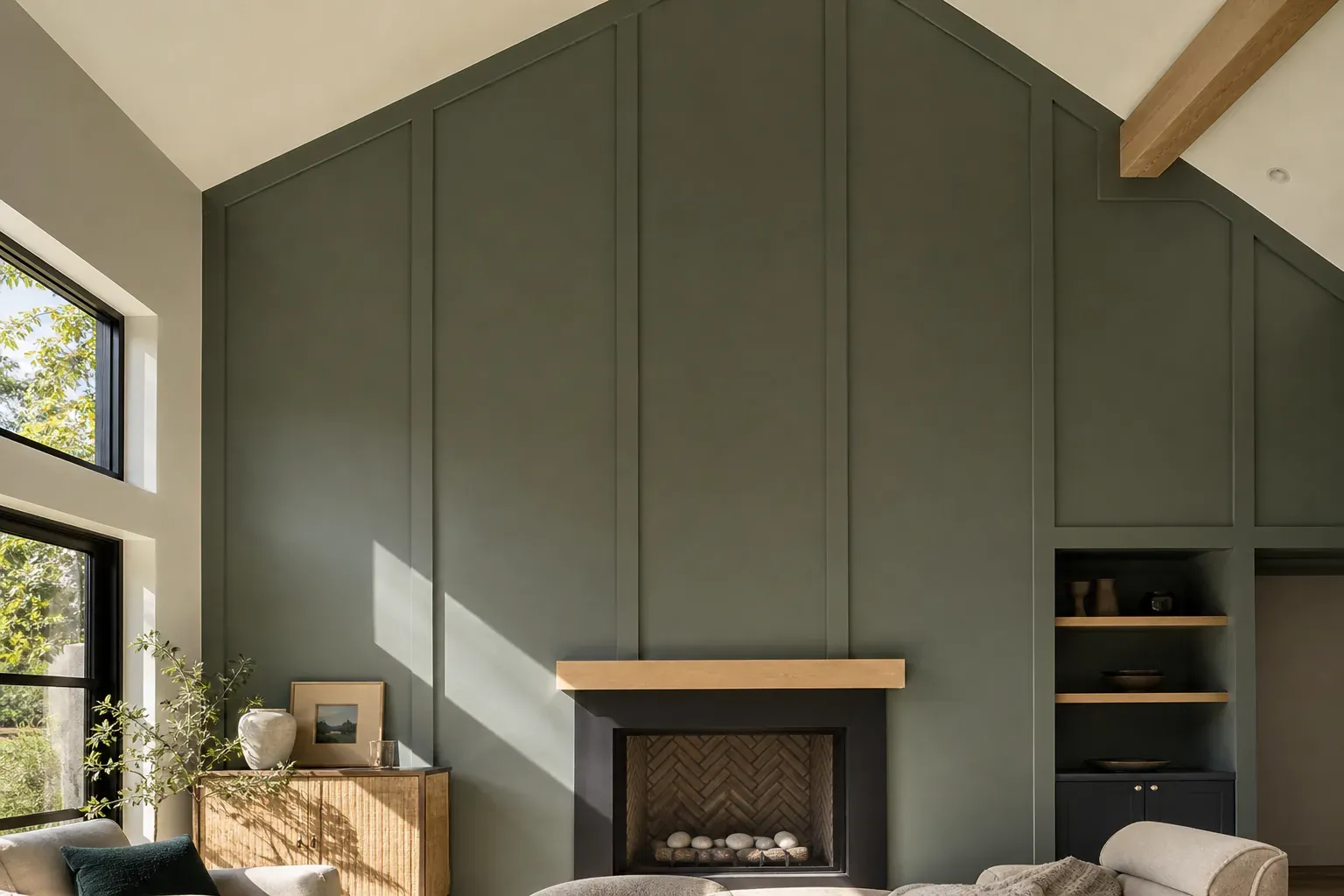
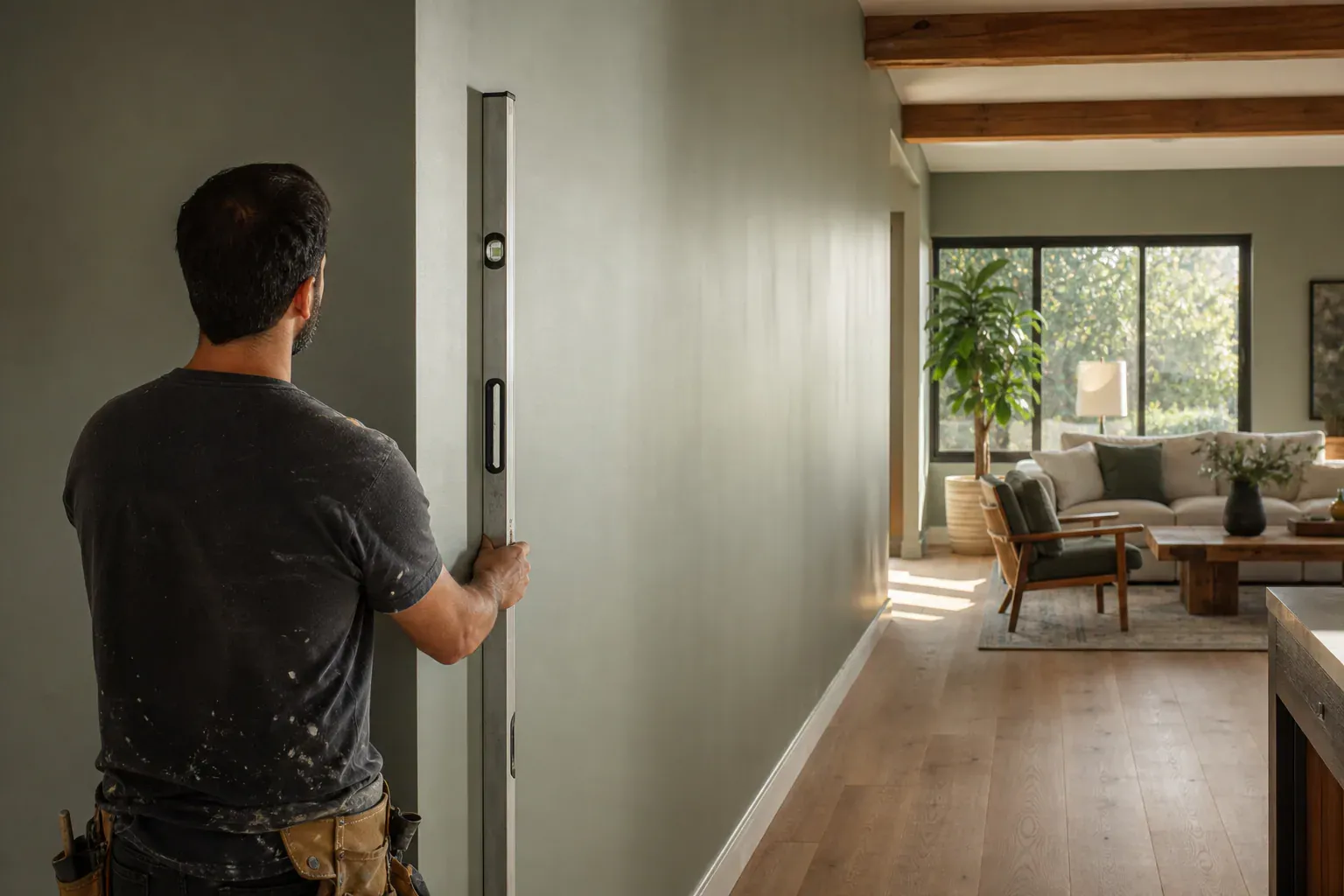
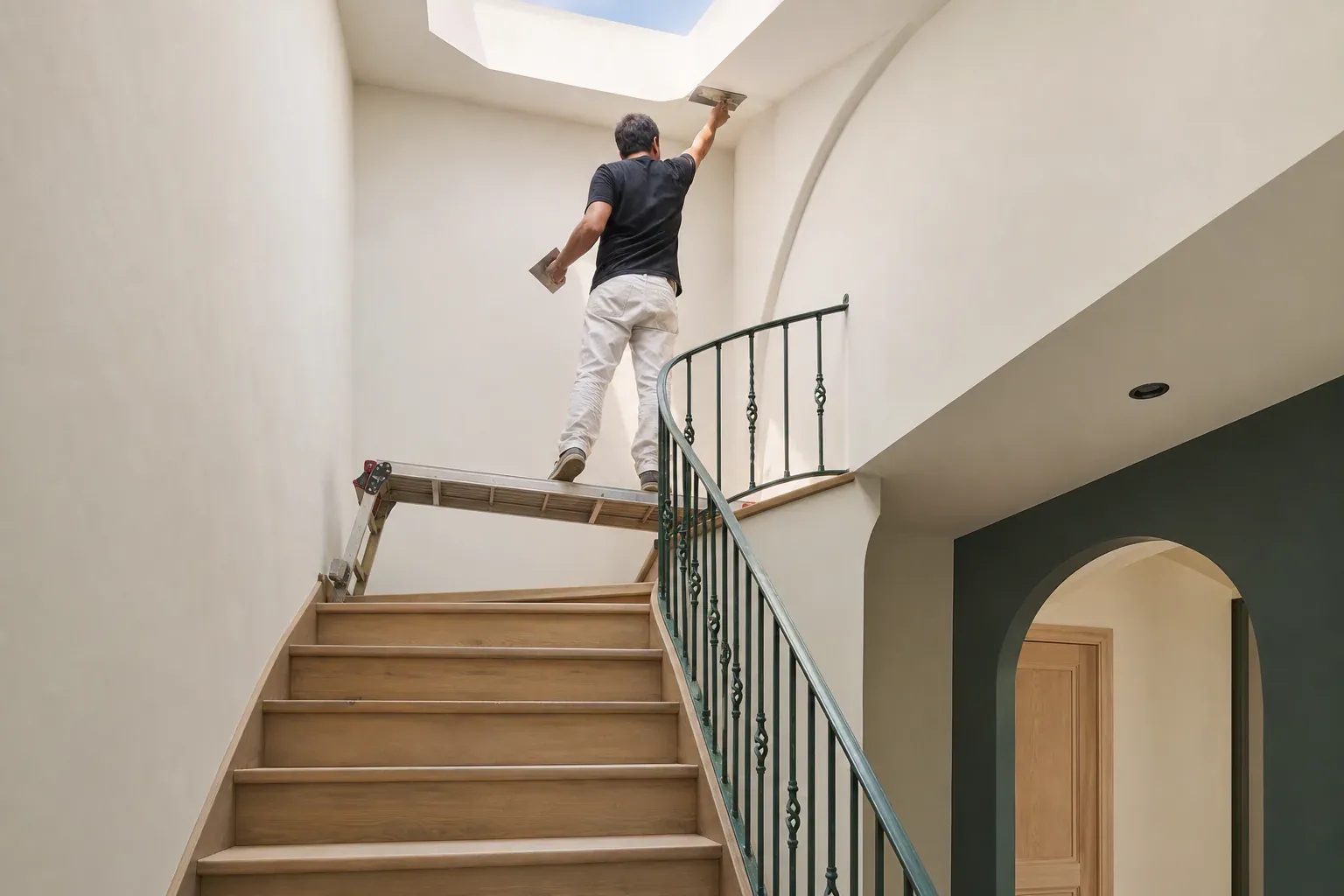
New construction and room additions start with interior wall framing. We coordinate with carpenters to hang gypsum board once stud framing is complete and MEP (mechanical, electrical, plumbing) rough-ins are approved. We install drywall screws on 12-inch centers per building code standards, and handle full-sheet layouts to minimize seams.
Standard gypsum board works for most interior walls. Fire-rated board carries a one-hour fire rating and is required in garages, basements in multi-unit buildings, and shared walls. We also stock moisture-resistant gypsum board for kitchens, bathrooms, and high-humidity areas common in older South Gate homes undergoing remodeling.
Interior wall framing typically uses light gauge metal studs or wood studs at 16-inch on-center spacing. After framing, we hang drywall sheets horizontally when possible to reduce seams and improve strength. We cut around door frames, electrical outlets, and windows with a drywall saw, and fasten each sheet with drywall screws spaced 16 inches on center for ceilings, 12 inches on studs. Proper fastening prevents nail pops and screw popping later.
South Gate building codes require fire-rated drywall in attached garages and basement walls adjacent to living spaces. Fire-rated gypsum board contains a mineral core that resists heat longer than standard board and provides one-hour fire rating when installed correctly. We install fire-rated board on all four walls of garages and on the ceiling if the garage sits below living space. For multi-unit buildings, shared walls between units often require fire-rated board and sometimes a sound-control layer. When garages are converted to living space, fire-rated drywall code compliance is verified before work begins.
Foundation settlement, vibration from nearby industrial zones, and natural aging cause drywall cracks, holes, and seam failure in South Gate homes. We assess damage on-site and decide whether patching is cost-effective or replacement makes sense.
Small holes—nail pops, doorknob strikes, minor impact damage—get filled with spackle or joint compound using a putty knife, sanded smooth, and primed before paint. Larger holes (hand-sized or bigger) require a backing board or a drywall patch cut to fit, fastened with drywall screws, and then taped and mudded to blend with the surrounding wall. A drywall damage assessment begins by measuring holes, tracing cracks to their source, and checking for water staining or soft spots indicating moisture issues.
Many South Gate homes built in the 1970s and 1980s have popcorn ceilings or textured walls. Popcorn ceiling removal involves wetting the sprayed material, scraping it off carefully, and refinishing the ceiling below with joint compound. Asbestos testing is recommended if the home was built before the 1980s; if asbestos is present, we coordinate with licensed abatement contractors before proceeding. Texture removal from walls follows the same process—dampen, scrape, and refinish with drywall compound and sanding. After removal, we apply new drywall finishing compound and sand to create a finished surface ready for interior painting after drywall.
South Gate's winter rainfall (most of the 14.8 inches per year falls between November and April) can cause water intrusion in older walls. Wet drywall softens and fails. We remove damaged sections and replace them with moisture-resistant gypsum board in bathrooms, kitchens, and any wall showing moisture intrusion. Moisture-resistant mold prevention includes proper ventilation planning and sealing gaps where pipes enter walls to block water migration into wall cavities.
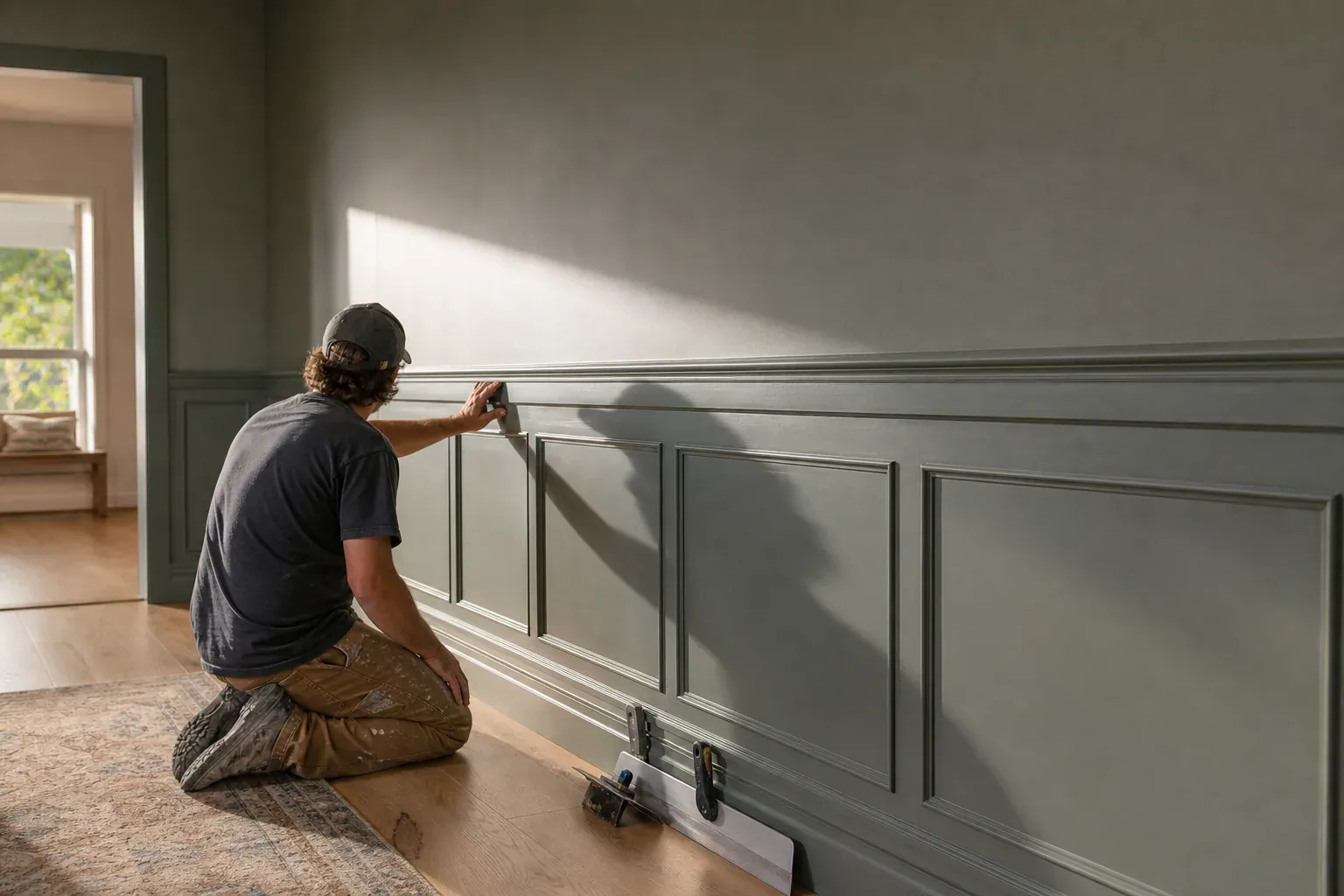
After drywall is hung, the finishing phase begins. Joint compound is applied in three to five coats, depending on finish level. Drywall taping and jointing embeds tape into the first coat over all seams, corner bead is installed on corners, and subsequent coats are feathered wider to hide the tape and fasteners. Drywall finishing and mudding requires skill to keep seams invisible—tape must be fully embedded, with no air bubbles or wrinkles. Corner bead installation creates sharp, finished corners; we remove damaged bead, install new bead, and apply joint compound in thin coats.
Level 5 finish is the highest standard—a smooth, paint-ready wall with no visible seams, fasteners, or tool marks. It requires multiple coats of compound, sanding between coats, and careful inspection to catch imperfections. Level 5 is essential under glossy paint or in rooms where side-lighting will show flaws.
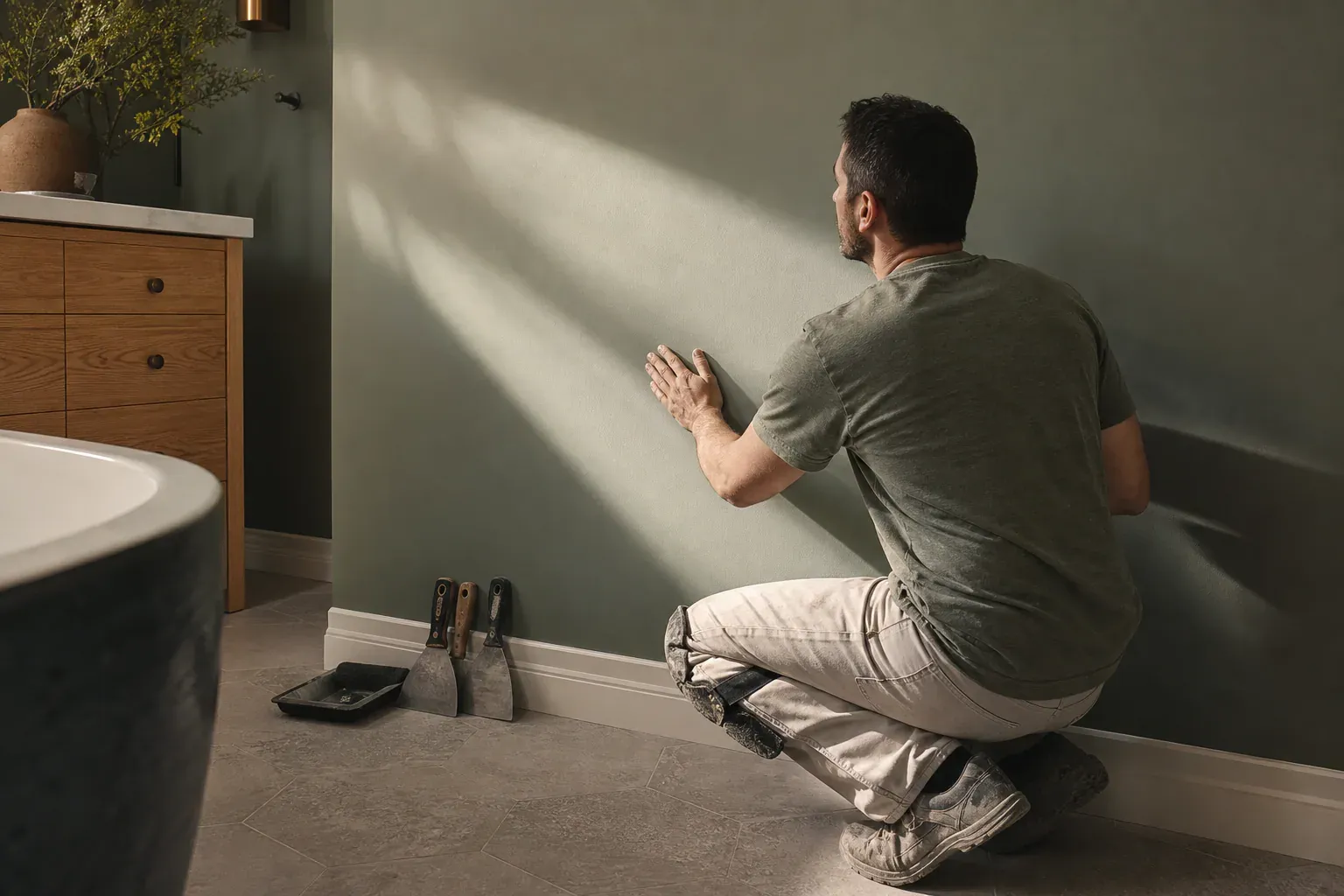
South Gate's industrial proximity and dense residential blocks create unique drywall challenges. Homes near commercial corridors experience noise from traffic and neighboring activity. Interior finishes must address both climate and acoustic needs.
Interior ceiling installation includes standard drywall ceilings, soffit framing, and drop ceilings for HVAC clearance. Double-layer drywall installation provides soundproofing acoustic benefits—two layers of gypsum board with insulation in between absorb sound energy and reduce noise transmission between rooms and from outside. We install staggered drywall on staggered studs, with mineral fiber or rigid foam insulation between layers.
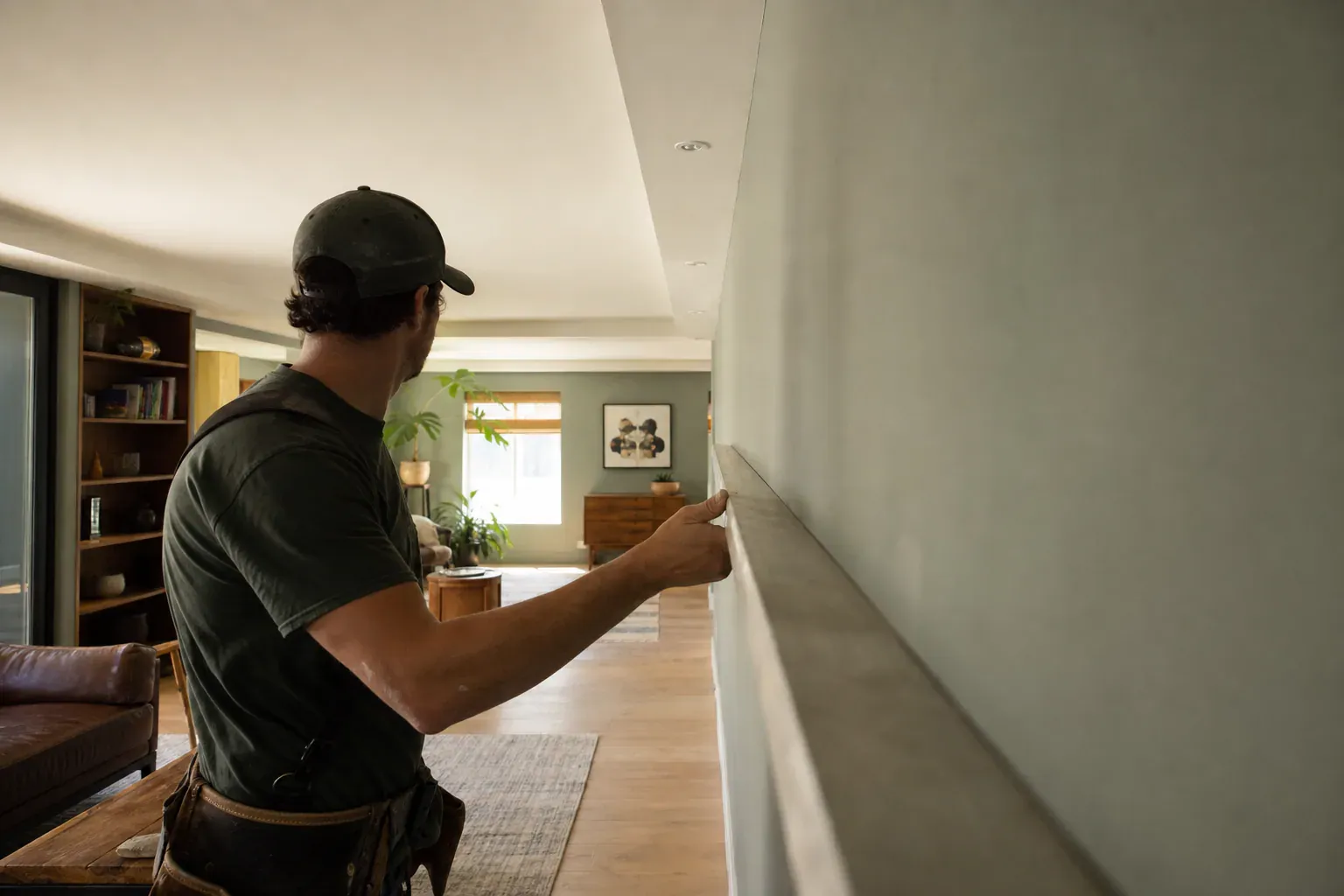
Kitchen remodeling with drywall often involves updating aging plaster walls to modern drywall and moisture-resistant finishes. Bathroom remodeling with drywall requires moisture-resistant gypsum board around sink and shower areas, with backing boards where tile or tile backer is needed. We coordinate with plumbers and electricians to locate pipes and wiring, and ensure proper interior ceiling installation above wet areas to prevent moisture penetration into attics or upper floors.
Door installation with framing requires coordination between carpentry and drywall work. We hang drywall around rough door openings, frame headers and jacks, and finish drywall after doors are set. General contractor remodeling and home construction and remodeling scope often include multiple drywall phases—framing, hanging, finishing, and final paint. We manage these phases in sequence and coordinate with other trades to keep projects on schedule.
Exterior sheathing for new construction uses gypsum sheathing or weather-resistant barriers under siding and stone veneer. We install exterior sheathing per code and coordinate with roofing and siding trades to sequence the work correctly.
South Gate building permits are required for drywall work in new construction, additions, or alterations affecting more than 200 square feet. Permit timelines vary; inspections occur after framing, before finishing begins, and after final finishing is complete.
Project timeline realistic expectations mean we provide schedules upfront and keep you informed when the space is ready for interior painting after drywall. New drywall installation and hanging for a typical bedroom takes one to two days, depending on sheet count and complexity. Drywall finishing and mudding adds three to five days for Level 5 finish, as each coat must dry before the next is applied (usually 24 hours per coat in South Gate's dry climate). Repairs take one to three days depending on damage extent.
Interior wall framing typically uses light gauge metal studs or wood studs at 16-inch on-center spacing.
South Gate building codes require fire-rated drywall in attached garages and basement walls adjacent to living spaces.
Many South Gate homes built in the 1970s and 1980s have popcorn ceilings or textured walls. Popcorn ceiling removal involves wetting the sprayed material, scraping it off carefully, and…
South Gate's winter rainfall (most of the 14.8 inches per year falls between November and April) can cause water intrusion in older walls. Wet drywall softens and fails.
Level 5 finish is the highest standard—a smooth, paint-ready wall with no visible seams, fasteners, or tool marks.
Why homeowners call us
Every drywall job is scoped and priced in writing, so the number you approve is the number you pay. If something behind the wall changes the work, we stop and price it first.
You speak to the people doing the work, not a call centre, and cover certificates go to your building manager or general contractor on request.
Containment, floor protection and same-day debris removal on every interior job — the space stays usable while the work is going on.
Crews work South Gate and the surrounding cities every week, so a walkthrough is usually available within the same week you call.
FAQ
Sheetrock is a brand name (USG's trademark); drywall is the generic product. They're the same thing—gypsum board faced with paper. Choose based on your project: standard drywall for interior walls, fire-rated for garages and basements, moisture-resistant board for bathrooms and kitchens. Brand products offer consistent quality; budget brands work fine if fastened and finished properly.
Installation (hanging) takes one to two days per room. Finishing to Level 5 takes three to five days minimum—each mud coat needs 24 hours to dry before sanding and the next coat. Repairs take one to three days. Total timeline depends on size, complexity, and current conditions. We schedule projects realistically and keep you informed of progress.
Small holes and cracks cost less to patch than to replace. Larger damage covering 50+ square feet often costs less per square foot to replace than to repair; the labor to match texture and feather patching adds up fast. We assess damage on-site, quote both options, and recommend the most economical choice for your situation.
Call (213) 555-0110 and we will come out and price the work in writing.